A Korean hair tie brand called KKNEKKI has become one of the most talked-about accessories of the 2026 FIFA World Cup, and the reason is a Norwegian striker’s slicked-back bun. Erling Haaland, the breakout star of Norway’s surprise World Cup run, has been wearing his long blond hair pulled into a tight bun secured with a KKNEKKI hair tie in every single match, and the internet has taken notice. What started as a small styling detail has turned into a genuine viral moment, sending curious fans searching for a decades-old Korean brand most of them had never heard of before this tournament.
Table of Contents
- What’s Happening in Korea Right Now?
- The Background: Why Did This Start?
- What Are Koreans Actually Saying?
- What This Reveals About Korean Culture
- How Does This Compare Internationally?
- Conclusion
What’s Happening in Korea Right Now?
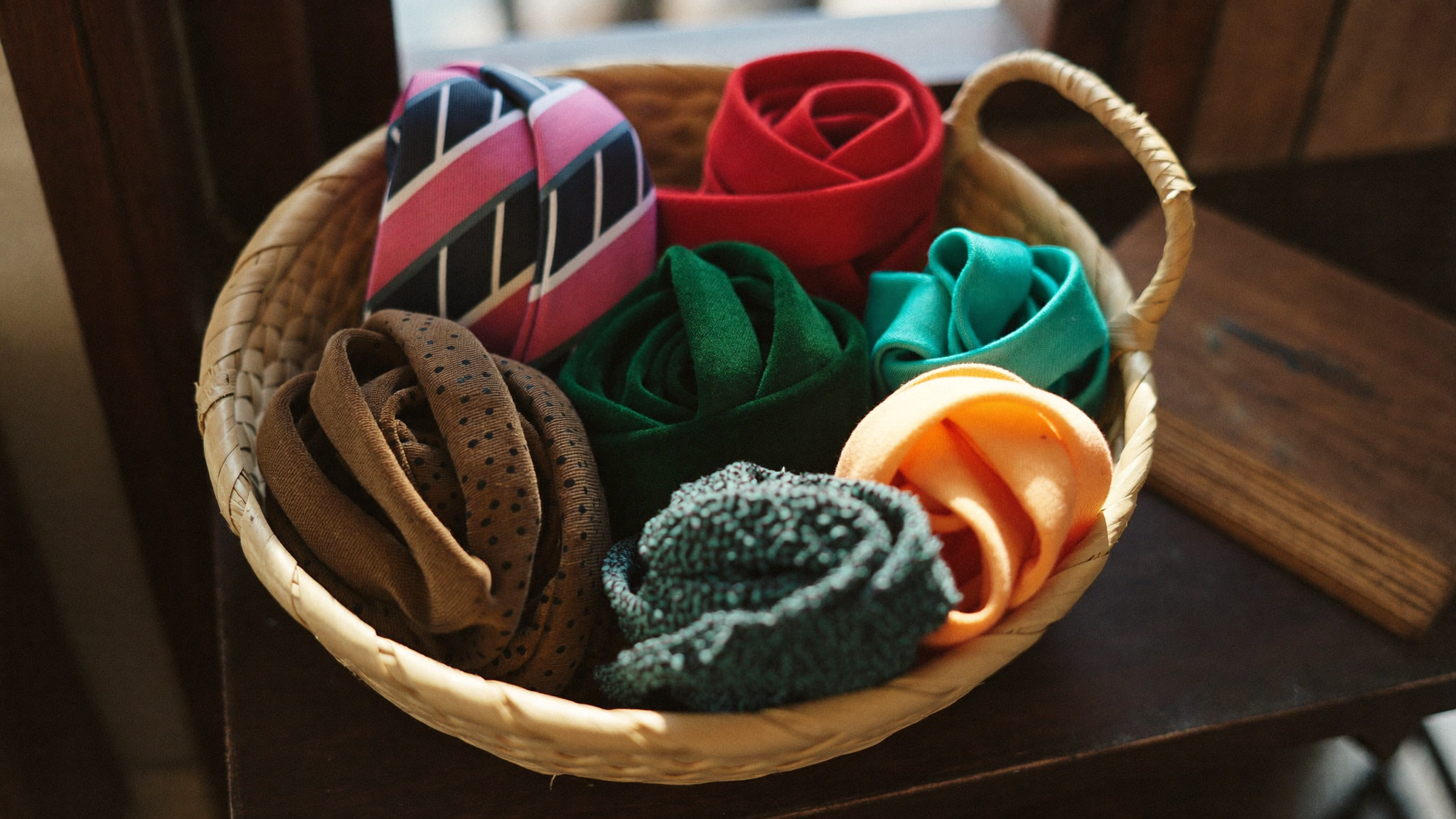
Since the tournament kicked off, Korean social media has been flooded with clips of Haaland’s hair routine before kickoff, and local news outlets have picked up the story with a mix of pride and amusement. KKNEKKI, a hair tie brand most Koreans associate with their grandmother’s sewing box rather than international superstardom, is suddenly trending on Korean Twitter (X), Instagram, and portal news sites. According to reporting from the Korea Times, the brand has gained more than 10,000 new followers across its social channels since the World Cup began, and its website traffic has jumped by roughly 70 percent. Small business owners and shopkeepers in traditional markets, where KKNEKKI products have long been sold alongside other sewing and craft supplies, are reportedly fielding a wave of inquiries from overseas buyers who want to know exactly where to order the “Haaland hair tie.”
Local convenience stores and stationery shops that stock the product have also seen a spike in demand, with some locations selling out of specific colorways that resemble the white and blue of Norway’s kit. For a brand that built its business quietly over decades, this is an entirely new kind of attention, and Korean media has been closely tracking how a nearly 40-year-old hair accessory company suddenly became a global talking point overnight.
The Background: Why Did This Start?
KKNEKKI, whose name comes from the Gyeongsang dialect word for “yarn,” was founded in 1987 and built its reputation on traditional Korean artisan craftsmanship, producing durable, brightly colored hair ties that have been a household staple in Korea for generations. The brand’s international profile grew slowly at first. Dutch company Bon Dep acquired European distribution rights for KKNEKKI in 2015, introducing the product to fashion-forward customers in Europe who valued its simple, sturdy design, before Bon Dep bought the brand outright in 2024, according to coverage from DesignRush.
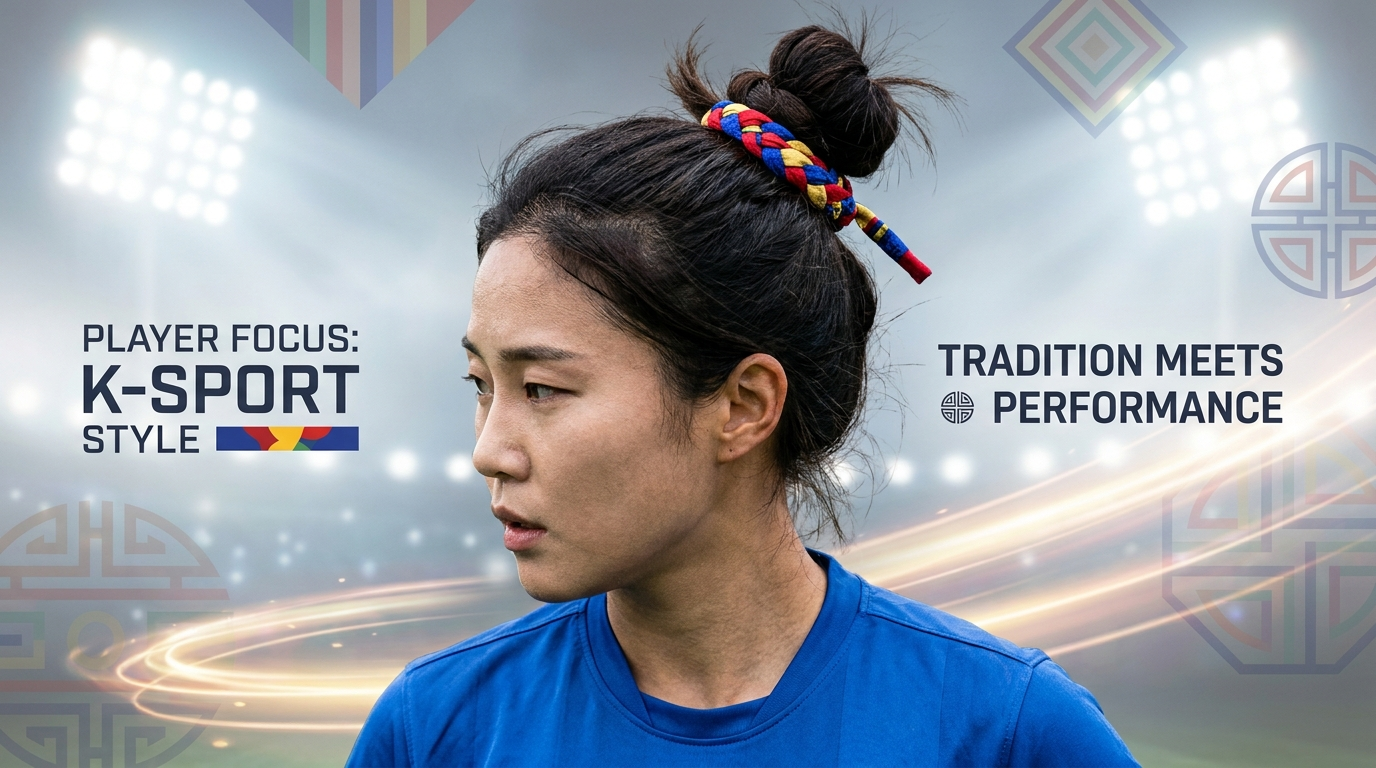
Haaland’s connection to the brand is not a one-off endorsement deal. Reports indicate he has been a genuine, longtime fan of KKNEKKI hair ties for keeping his hair out of his face during matches, and he has since become a minority shareholder and investor in the company. What has really driven the current wave of attention is his habit of meticulously matching his hair tie color to Norway’s kit for each match, a small but deliberate styling ritual that fans and commentators started noticing and clipping during broadcasts. The Korea Herald reported that the pairing was so popular that KKNEKKI released a limited-edition hair tie collection co-designed with Haaland, inspired directly by his match-day colors, and the entire run sold out shortly after launch.
This is where the story becomes a useful case study in how a niche Korean product with deep artisan roots can become an unexpected global export simply through visibility. Nobody at KKNEKKI planned for a Norwegian footballer to turn their product into a World Cup talking point, but once the connection between the athlete and the brand became public, the momentum built quickly.
What Are Koreans Actually Saying?
Online reaction inside Korea has largely been warm and a little surprised. Many comments on Korean community boards express a kind of proud disbelief that a humble hair tie brand, one many Koreans grew up seeing in their mother’s or grandmother’s drawer, is now being searched for by fans across Europe and beyond. Others have pointed out the irony that a product so ordinary domestically has become “K-fashion” in the eyes of international fans, sparking conversations about which everyday Korean goods might be next to catch global attention.
There is also a thread of national pride tied to football itself. Korean sports commentary has followed Norway’s World Cup run closely, partly because of regional interest in the tournament, and partly because the Haaland-KKNEKKI story gives Korean audiences an unusual, low-stakes way to feel connected to a team they are not otherwise rooting for. Some fans have joked that Haaland is now Korea’s “unofficial brand ambassador,” while others have raised more practical points, noting that this kind of viral moment shows how important it is for Korean small manufacturers to be ready for sudden international demand, since several retailers reportedly struggled to keep certain colors in stock once international orders started coming in.
Sports lifestyle coverage overseas has amplified the story further. Italian sports lifestyle outlets have framed it as a rare crossover moment between football culture and product design, noting that Haaland’s hair tie ritual has become as recognizable as his goal celebrations this tournament.
What This Reveals About Korean Culture
The KKNEKKI moment says a lot about how Korean everyday craftsmanship tends to fly under the radar until an outside spotlight lands on it. Korea has a long history of small, family-run manufacturers producing high-quality household goods, from hair accessories to kitchenware, that rarely receive attention outside the domestic market because they were never designed as export products or lifestyle brands in the first place. KKNEKKI’s 1987 founding story is rooted in exactly this kind of practical, artisan-first approach: make something durable and useful, sell it locally, and let quality speak for itself.
What is culturally notable is how quickly Korean audiences pivoted from surprise to a kind of collective ownership of the story. There is a recognizable pattern in Korea where a product, food item, or piece of slang becomes a point of national conversation once it gains traction abroad, almost as if outside validation gives domestic audiences permission to celebrate something they had taken for granted. This mirrors how other under-the-radar Korean goods have found new audiences once a celebrity or viral moment abroad drew attention to them, similar in spirit to how other unexpected Korean trends have recently taken off, such as the rise of Seongsu-dong as a fashion hub or the sudden popularity of Korea’s lemon-core style trend.
It also highlights something specific about Korean design philosophy: an emphasis on function paired with quiet, colorful craftsmanship. KKNEKKI hair ties were never marketed as fashion statements domestically, they were simply reliable tools for managing hair. That a professional athlete would treat one as a meaningful part of his match-day identity, going so far as to color-match it to his kit, resonates with a broader Korean cultural value around thoughtful attention to small details, something also visible in how Korean viral trends spread through platforms like TikTok, as seen with the recent Korean-language learning challenge that captivated global audiences.
How Does This Compare Internationally?
Athlete-driven product virality is not new. Sneakers, watches, and skincare lines have all seen sudden demand spikes after a famous athlete was spotted using them. What makes the KKNEKKI story a bit different is the scale and specificity: this is not a global mega-brand benefiting from an endorsement, it is a modest, decades-old Korean manufacturer that most people, including many Koreans, would not have recognized as an “export” product at all. The closest comparisons might be small Japanese stationery or craft brands that occasionally go viral abroad after appearing in anime or on social media, where a niche domestic product suddenly finds an international fanbase almost by accident.
The involvement of Bon Dep, the Dutch company that first licensed European distribution in 2015 and later acquired KKNEKKI outright in 2024, also matters here. It shows that some international investors had already recognized the brand’s crossover potential years before Haaland made it famous, treating a simple Korean hair accessory as a legitimate lifestyle product worth building a European business around. That groundwork likely made it easier for KKNEKKI to handle the current spike in demand compared to a brand caught completely by surprise.
Compared to how K-pop or Korean beauty products usually go viral, through deliberate marketing campaigns, influencer partnerships, or algorithm-driven content, the KKNEKKI story is refreshingly organic. Nobody planned a World Cup marketing tie-in around a hair tie. It happened because one athlete genuinely liked a product enough to invest in the company and turn it into a personal ritual, and the world happened to be watching closely during a global tournament.
Conclusion
The KKNEKKI story is a reminder that in an interconnected media environment, even the smallest, most overlooked everyday products can suddenly become global conversation pieces. A Korean hair tie brand built on traditional craftsmanship since 1987 is now known to football fans around the world because of one player’s meticulous, color-coordinated hair ritual at the 2026 World Cup. Whether this attention fades once the tournament ends or turns into lasting international demand remains to be seen, but for now, KKNEKKI has become an unlikely symbol of how far a genuinely good, simple product can travel when the right person happens to be wearing it.
If you’re curious about the everyday Korean brands, trends, and cultural moments that keep capturing global attention, explore more Korea culture and travel stories on unboxingkorea.com to discover what else might be quietly going viral next.