Jump to: What’s Happening · The Background · What Koreans Are Saying · What It Reveals · Global Comparison · Conclusion
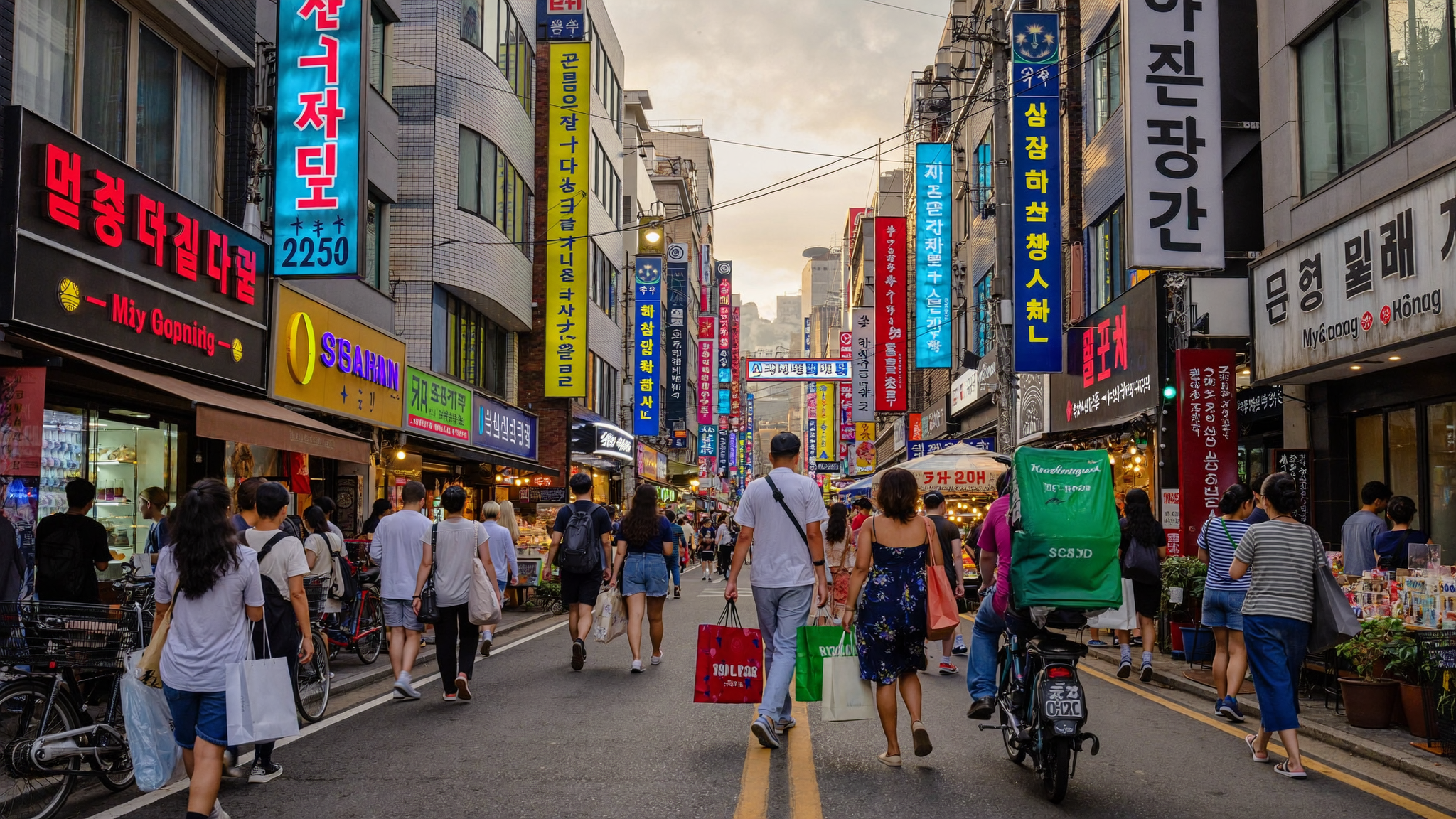
The Korea tourism boom is no longer a prediction — it’s a record book being rewritten month after month. In 2026, South Korea crossed 10 million foreign arrivals earlier in the year than ever before. Seoul alone welcomed 1.56 million foreign visitors in April, the highest April figure in history, and 1.36 million in July, up 23.1% from last year. Foreign card spending in Seoul soared past 1.15 trillion won (about $760 million) in a single month, a 50.5% jump. So what’s driving the Korea tourism boom — and why does it look so different from tourism booms anywhere else?
What’s Happening in Korea Right Now?
The numbers are staggering. According to the Seoul Metropolitan Government, the city set a new monthly record with 1.36 million international tourists in July, led by visitors from China (470,000), Japan (240,000), Taiwan (160,000), and the United States (100,000). Monthly spending by foreign tourists has topped 1 trillion won for three consecutive months, reaching a record 1.4 trillion won (about $913 million) in May. And a government survey found that 82.3% of foreign respondents hold a favorable view of Korea — the highest since the survey began in 2018.
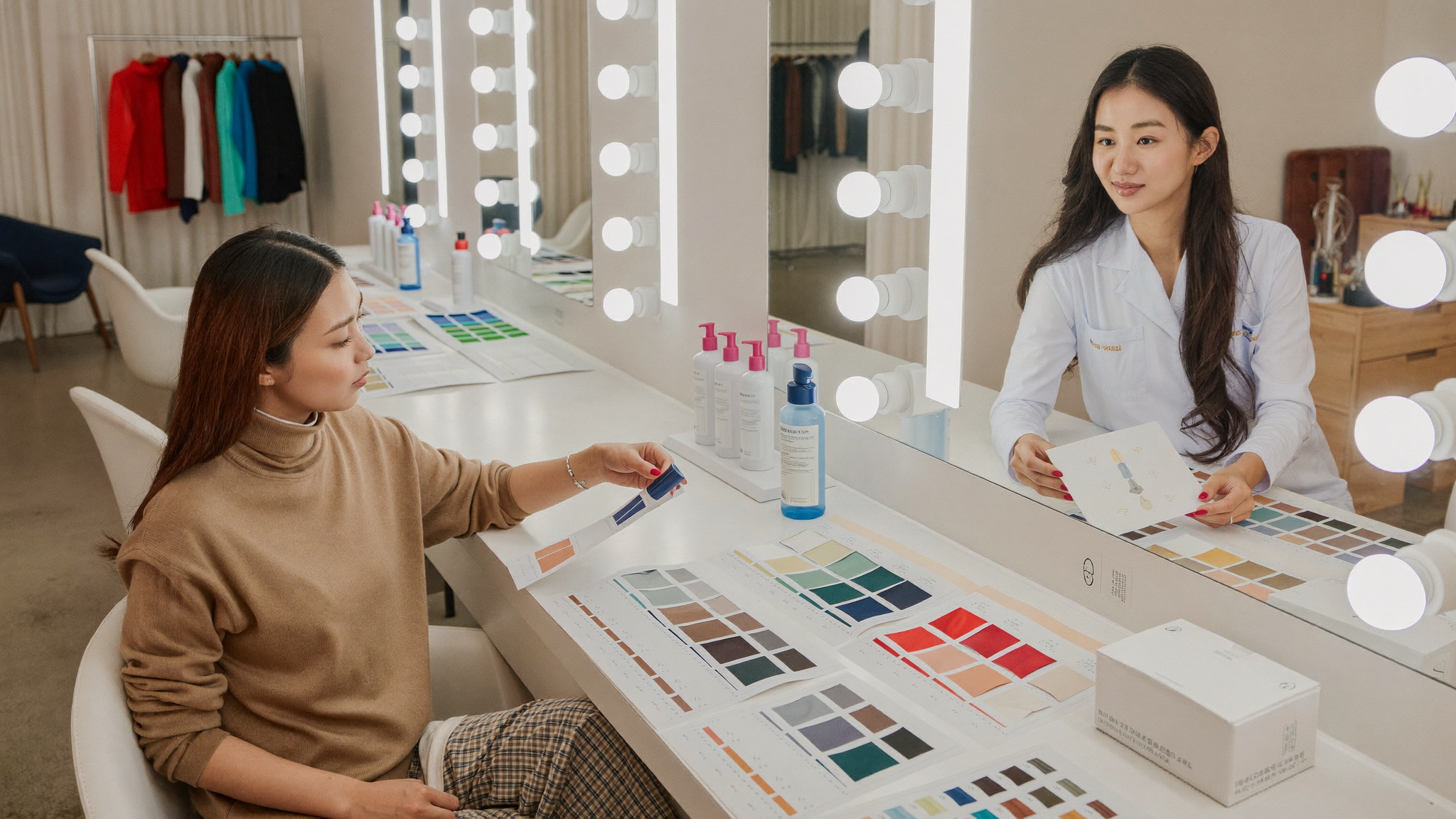
But the more interesting story is what these visitors are doing. Instead of just ticking off palaces and shopping, they’re booking dermatology appointments, scalp treatments, personal color analysis sessions, and idol-style makeovers. Korea’s tourism boom is increasingly an experience boom.
The Background: How K-Culture Became a Travel Engine
The pipeline works like this: K-pop, K-dramas, and K-beauty content build emotional connection years before a traveler books a flight. When they finally land, they want to step inside that content — visiting BTS hotspots, dance studios, drama filming locations, and the beauty clinics their favorite idols mention. A single viral video can move markets: when BLACKPINK’s Jisoo shared her personal color analysis results on YouTube, the video racked up 2.6 million views and helped turn personal color analysis in Seoul into the #1 must-do experience for first-time visitors, as reported by TIME.
The government has leaned in hard. The 2026 Korea Beauty Festival transformed Seoul’s HiKR Ground into a tech-driven beauty hub offering AI personal color diagnosis and idol-style makeup sessions for foreign visitors. Wellness tourism — from scalp spas to pharmacy tours — is one of the fastest-growing categories, according to The Korea Times.
What Are Koreans Actually Saying?
Koreans are watching their own country become a global destination with a mix of pride and bemusement. Restaurant owners in Myeongdong and Seongsu post about serving more foreign customers than locals. Young Koreans joke that they have to queue behind tourists for their own favorite cafes and photo booths. There’s genuine national pride in the favorability numbers — but also active debate about overtourism in neighborhoods like Bukchon Hanok Village, where residents have pushed for visitor curfews.
Another common observation: foreign visitors now arrive ‘pre-educated.’ They know what a personal color palette is, they know the difference between GS25 and CU, and they arrive with TikTok-sourced checklists more detailed than most guidebooks.
What the Korea Tourism Boom Reveals About Korean Culture
Korea’s genius has been converting culture into experiences that can be booked, photographed, and shared. A personal color session isn’t just a consultation — it’s a 90-minute identity ritual that ends with a shareable result card. An idol makeover isn’t vanity — it’s participation in the K-beauty universe. This ‘experience packaging’ reflects the same production values that power K-pop: meticulous service design, aesthetic perfection, and built-in shareability. If you’re planning your own trip, start with our Seongsu-dong neighborhood guide — the epicenter of K-beauty pop-ups — and our T-money card guide for getting around like a local.
How Does This Compare Internationally?
Japan’s post-pandemic tourism surge was driven largely by a weak yen — a price story. Korea’s boom is a content story: people don’t come primarily because it’s cheap, they come because they already live inside Korean culture through their screens. That makes the Korea tourism boom more similar to how Paris sells romance or how New York sells ambition — except Korea’s version was built deliberately, in under two decades, through cultural exports. Tourism economists now study the ‘K-wave multiplier’: every hit drama or comeback translates measurably into flight searches and beauty clinic bookings.
Conclusion: The Best Time to Visit Is Now
The Korea tourism boom shows no sign of slowing — arrivals keep breaking records, and the experience menu keeps expanding. If 2026 is your year to visit, book popular experiences like personal color analysis in advance, and expect crowds at the famous spots. One more insider tip: K-beauty hauls and Seoul shopping sprees have a way of outgrowing your luggage. When that happens, Unboxing Korea delivers a new suitcase to your Seoul hotel within 2 hours — check out our suitcase delivery service and shop without limits.