Jump to: What’s Happening · The Background · What Koreans Are Saying · What It Reveals · Global Comparison · Conclusion
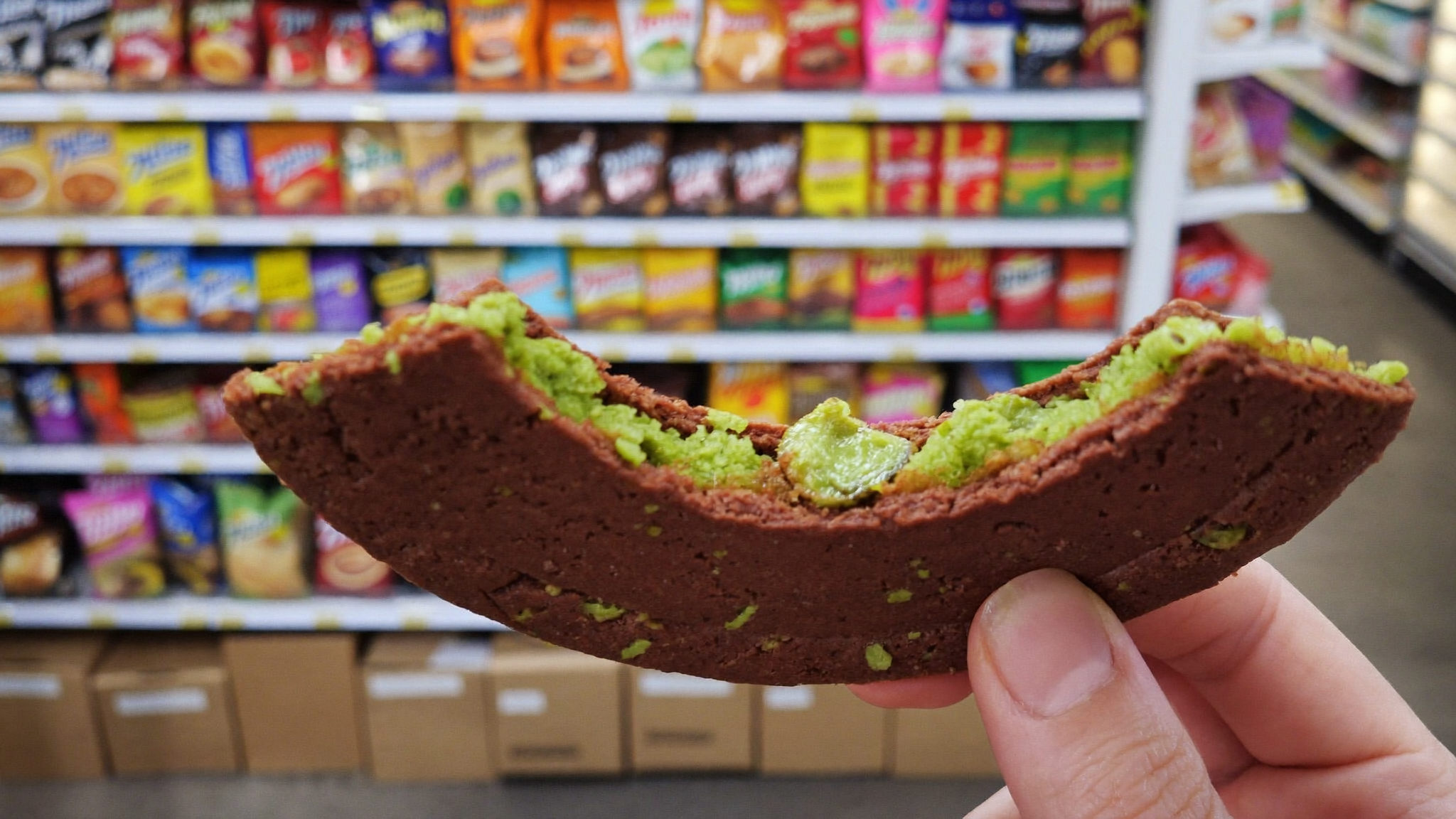
If you walk into any Korean convenience store this summer, you’ll see it: the Dubai chocolate Korea craze, still going strong and mutating into ever-new forms. What started as a viral Emirati chocolate bar filled with pistachio cream and crispy kataifi pastry has become Korea’s most successful dessert trend in years — selling millions of units, pulling Starbucks into limited-release drops, and turning convenience store aisles into dessert battlegrounds. Here’s how Dubai chocolate conquered Korea, and what it says about the country’s legendary food trend machine.
What’s Happening in Korea Right Now?
The numbers behind the Dubai chocolate Korea phenomenon are absurd. Convenience store chain CU launched a handmade ‘Dubai chocolate chapssal tteok’ (glutinous rice cake) at 3,000 won — limited to just two pieces per store per day — and still sold nearly 1.8 million units in under three months. It stayed the #1 searched item on CU’s Pocket CU app for over two months. Rival GS25 fired back with a ‘Dubai chocolate soft cookie,’ and within a day, Starbucks Korea began limited sales of its own Dubai soft cookie at six Seoul locations, capped at two per customer — producing the kind of queues usually reserved for sneaker drops.
By mid-2026, nearly every business selling ready-to-eat desserts — bakeries, cafes, movie theaters, ice cream shops — had launched a Dubai chocolate version of something. The trend has expanded into Dubai chocolate egg tarts, bagels, kimbap-shaped desserts, and crepes.
The Background: How a Dubai Bar Became a Korean Obsession
The original ‘Dubai chocolate’ — a milk chocolate bar filled with pistachio cream and shredded kataifi pastry — went globally viral in 2024 through TikTok’s ASMR crunch videos. Korea’s turning point came when IVE’s Jang Won-young featured it, instantly converting a foreign curiosity into a domestic must-try. Korean manufacturers then did what they do best: rapid localization. Instead of just importing the bar, they reinvented it — wrapping the pistachio-kataifi filling in chewy Korean rice cake, soft cookies, and cream buns, formats optimized for convenience store logistics and Korean texture preferences (that prized ‘chewy-crispy’ contrast, or jjolgit-babak).
This fits a bigger 2026 trend: the ‘gourmet-ification’ of Korean convenience stores. Following the global success of Netflix’s Culinary Class War, chains hired star chefs like Choi Kang-rok to develop premium ready-to-eat meals under $6, and CU even opened a dessert-specialized branch in Seongsu carrying 30% more sweets than a standard store, as covered by Noonchi Insight.
What Are Koreans Actually Saying?
Korean social media has turned Dubai chocolate hunting into a sport. Because CU’s rice cake version was limited to two per store daily, people mapped store delivery schedules and traded sighting reports like stock tips. The phrase ‘오팔런’ (open run — sprinting in at opening time) attached itself to a convenience store dessert for the first time. There’s also a running joke that Korea has ‘colonized’ Dubai chocolate: the local versions became so popular that they’re now being exported back to the Middle East, with Time Out Dubai listing the Korean-style Dubai chocolate chewy cookie among food trends expected to take over Dubai itself — at 29 dirhams (about $7.90) per piece, several times the Korean price.
What the Craze Reveals About Korean Food Culture
Korea’s food trend cycle is arguably the fastest in the world: spot a global viral item, localize the texture, productize it for convenience stores, and scale it nationwide within weeks. The Dubai chocolate Korea story shows all four steps in textbook form. It also shows the cultural weight of the convenience store itself — in Korea, CU and GS25 aren’t just shops but trend media, where a limited dessert drop functions like a content release. For travelers, this means the humble convenience store is genuinely one of Korea’s best food destinations. Before you go hunting, check our guide to the best tteokbokki in Seoul for the savory side of Korean street flavors, and see what else is trending in Korea this week.
How Does This Compare Internationally?
Other countries had their Dubai chocolate moment too — but mostly as imports: buy the bar, post the crunch video, move on. Korea is nearly unique in having re-engineered the trend into new native formats and then re-exported them. It’s the same playbook Korea used with corn dogs, croffles, and cream buns: absorb, remix, amplify. Japan’s konbini culture produces similar limited-edition hype, but Korea’s cycle is faster and more aggressive — GS25 and CU treat each dessert drop as a head-to-head battle, racing to go viral within hours of release, as documented by Ubitto’s summer menu tracker.
Conclusion: Try It Before It Mutates Again
The Dubai chocolate Korea craze is a delicious case study in how fast Korean food culture moves — by the time you visit, the trend will probably have evolved into yet another form, which is exactly the fun of it. Put a convenience store dessert run on your Seoul itinerary and taste the trend cycle in real time. And if your snack haul and shopping outgrow your luggage, Unboxing Korea has your back: we deliver new suitcases to Seoul hotels within 2 hours — see our suitcase delivery service and keep snacking.