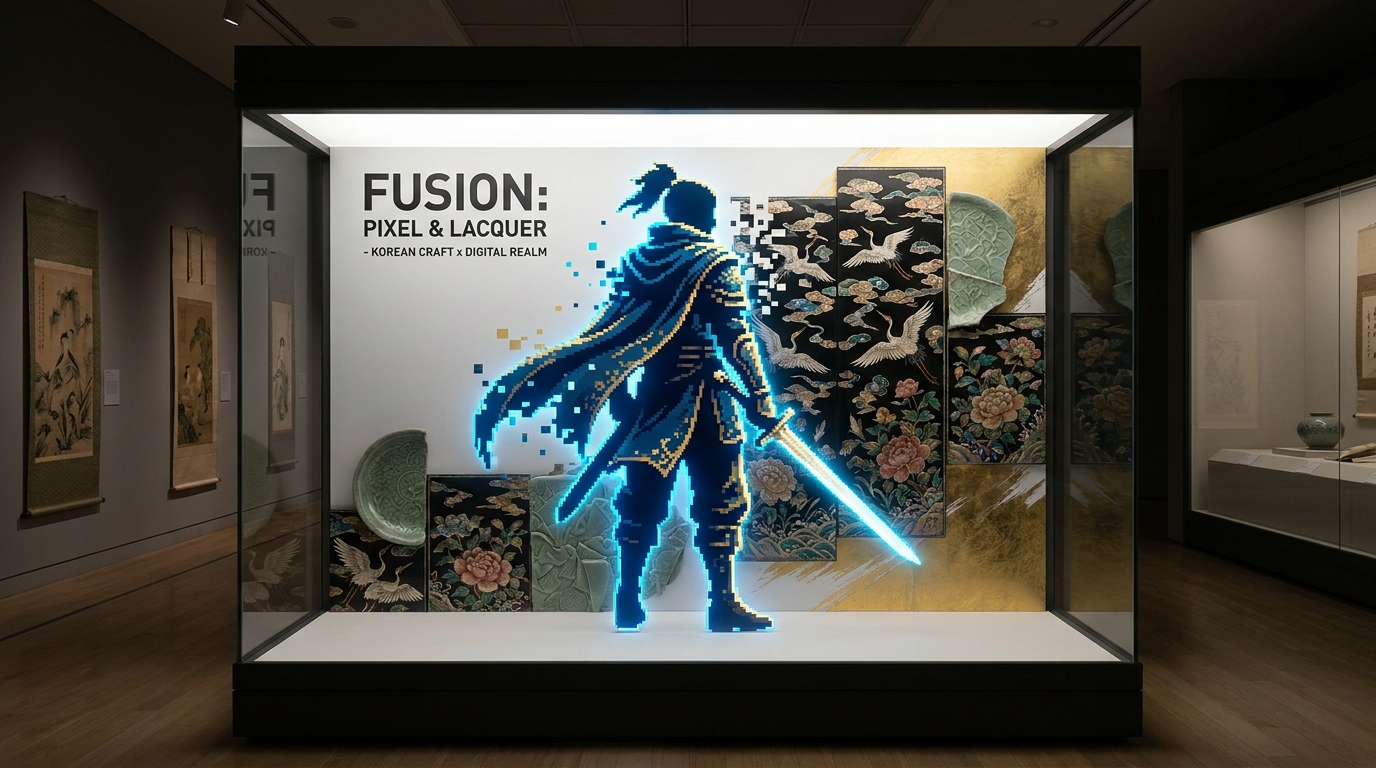
Why are Korea’s biggest video game studios suddenly commissioning ceramicists and lacquerware artisans? Across Seoul this year, Korean games traditional crafts collaborations have become one of the country’s most talked-about culture crossovers, with hit franchises like Blue Archive, PUBG, and CookieRun all being reimagined as physical craft objects by master artisans. It sounds like an unlikely pairing — pixels and porcelain — but it’s turning into one of Korea’s most interesting cultural exports.
Table of Contents
- What’s Happening in Korea Right Now?
- The Background: Why Did This Start?
- What Are Koreans Actually Saying?
- What This Reveals About Korean Culture
- How Does This Compare Internationally?
- Conclusion
What’s Happening in Korea Right Now?
Three of Korea’s biggest gaming IPs have all launched traditional-craft projects within months of each other. Nexon Games’ “Borderless: Craft Archive” project reinterprets its flagship title Blue Archive through six craft disciplines — ceramics, glass, metalwork, woodworking, textiles, and mother-of-pearl inlay (najeon chilgi) — with artists transforming game characters and symbolic in-game elements into standalone craft pieces. Krafton, the studio behind PUBG: Battlegrounds, unveiled “PUBG x Octique” earlier this year, a collaboration with Korean craftspeople that reimagines the battle royale game’s iconic gear and imagery through traditional design language. And Devsisters, the studio behind CookieRun, staged an exhibition in Seoul’s historic Insa-dong crafts district that turned CookieRun: Kingdom characters into works featuring Korean lantern-making, hwagak (ox-horn inlay), gold-leaf printing, and sand art.
The finished pieces from these collaborations are set to debut together at the 2026 Gyeonggi Craft Festa, running October 23 to November 1 in Yeoju, Gyeonggi Province — meaning fans will soon be able to see PUBG helmets and Blue Archive characters reimagined in centuries-old Korean craft traditions side by side in one exhibition hall.
The Background: Why Did This Start?
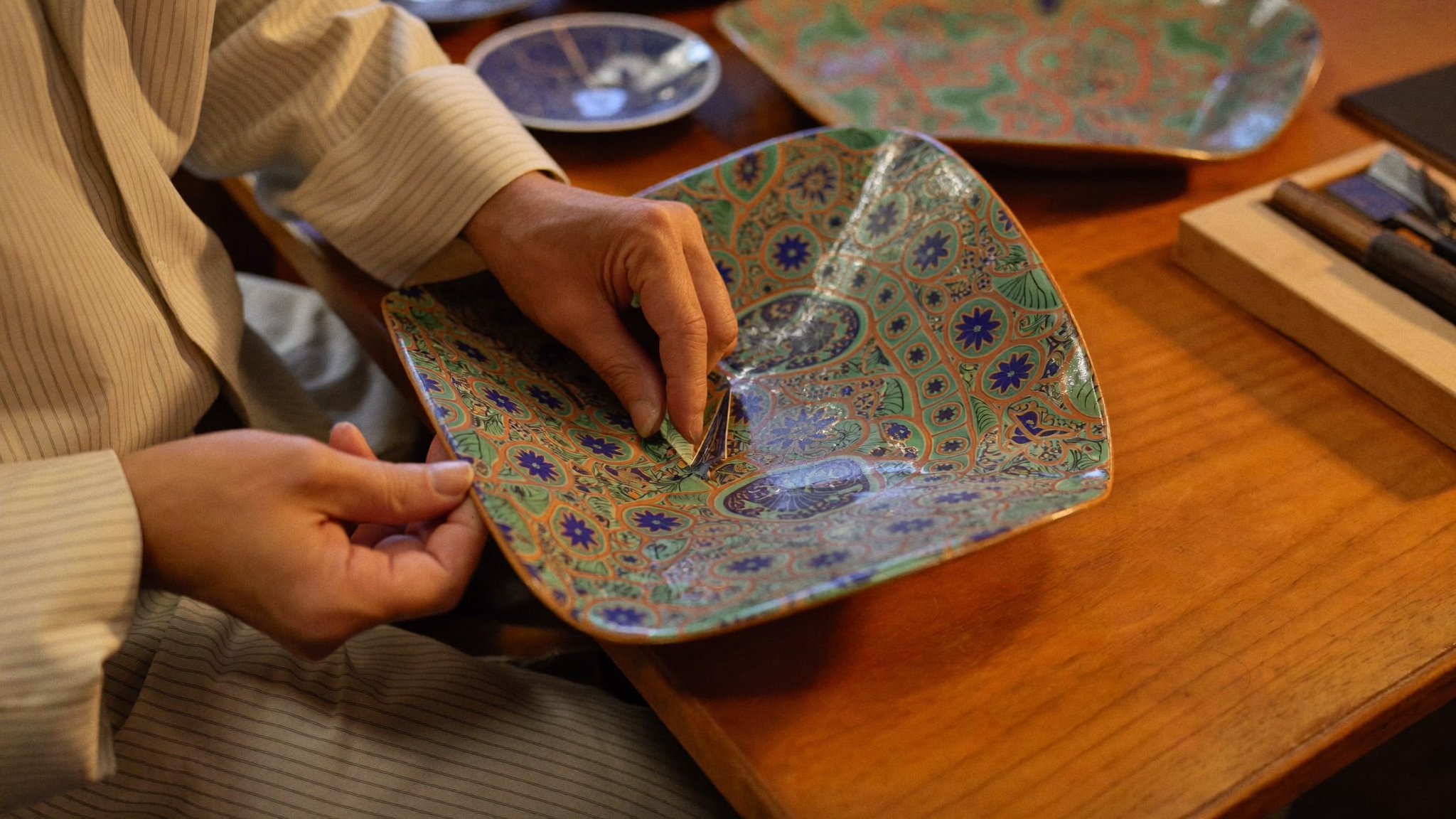
Korean traditional crafts — lacquerware, ceramics, hanji paper, embroidery — have long struggled with an aging artisan base and shrinking domestic demand, as younger generations gravitate toward mass-produced goods. At the same time, Korea’s video game industry is one of the country’s largest cultural exports, generating billions in overseas revenue but often criticized domestically for feeling culturally generic compared to K-pop or K-drama. Korean games traditional crafts partnerships solve two problems at once: they give master artisans new, high-visibility commissions and younger audiences, while giving game studios a way to root globally popular IP in something distinctly, unmistakably Korean. Regional governments have also been actively promoting traditional crafts as tourism drivers, according to The Korea Times, making craft-adjacent cultural projects an easier sell to public and corporate sponsors alike.
What Are Koreans Actually Saying?
Gamers and craft enthusiasts online have largely welcomed the crossovers, with fan communities sharing photos of exhibition pieces and debating which craft technique best captured their favorite in-game character. Younger fans say it’s the first time they’ve felt genuinely curious about traditional Korean crafts, having previously associated them with museum displays rather than anything relevant to their own pop-culture interests. Some traditional craft purists, meanwhile, have voiced quieter concerns that pairing centuries-old techniques with corporate game IP risks reducing serious artisanship to a marketing gimmick — though that criticism has stayed relatively muted given how much attention and commission income the projects are bringing into the craft sector.
What This Reveals About Korean Culture
This trend captures something distinctive about how Korea handles cultural preservation: rather than treating tradition as something to be roped off in a museum case, it gets actively remixed into the country’s most commercially dominant modern export. Korean games traditional crafts collaborations only make sense in a country where hyper-modern digital culture and centuries-old craft lineages exist within walking distance of each other — quite literally, given that CookieRun’s exhibition was staged in Insa-dong, Seoul’s traditional arts and antiques district. It’s a very Korean solution to cultural continuity: instead of asking young people to come to tradition, tradition is brought directly into the games they already love.
How Does This Compare Internationally?
Video game studios collaborating with traditional artisans isn’t entirely new globally — Japanese publishers have paired anime IP with lacquerware and ceramics before, and Western museums have occasionally commissioned game-inspired fine art. What’s distinct about Korea’s version is the scale and coordination: three major studios launching craft projects in the same year, converging on a single national exhibition, suggests a level of industry and government coordination that’s uncommon elsewhere. If you’re interested in Korea’s traditional craft heartlands beyond Seoul, our guides to Andong and Gyeongju cover some of the regions where these techniques originated.
Conclusion
Whether or not you’ve ever played Blue Archive or PUBG, the fact that Korea’s biggest game studios are now bankrolling traditional lacquerware and ceramic artisans says a lot about how the country thinks about cultural continuity — pragmatically, commercially, and without much reverence for keeping “old” and “new” culture in separate lanes. Keep an eye on the 2026 Gyeonggi Craft Festa this fall if you want to see where pixels and porcelain meet in person. For more on Korea’s trending culture stories, browse our Seoul Travel Tips section.
Sources: The Korea Herald, The Asia Business Daily, The Korea Times.