What’s Happening in Korea Right Now?
Korea is buzzing about one thing this week: the BTS World Cup halftime show. On July 19, 2026, the seven members of BTS will co-headline the first-ever halftime show at a FIFA World Cup final, sharing the stage with Madonna and Shakira at New York New Jersey Stadium in front of roughly 82,500 fans and a global TV audience expected to reach billions. Korean portals, X timelines, and office lunch conversations have been dominated by the countdown ever since the final lineup details were confirmed.
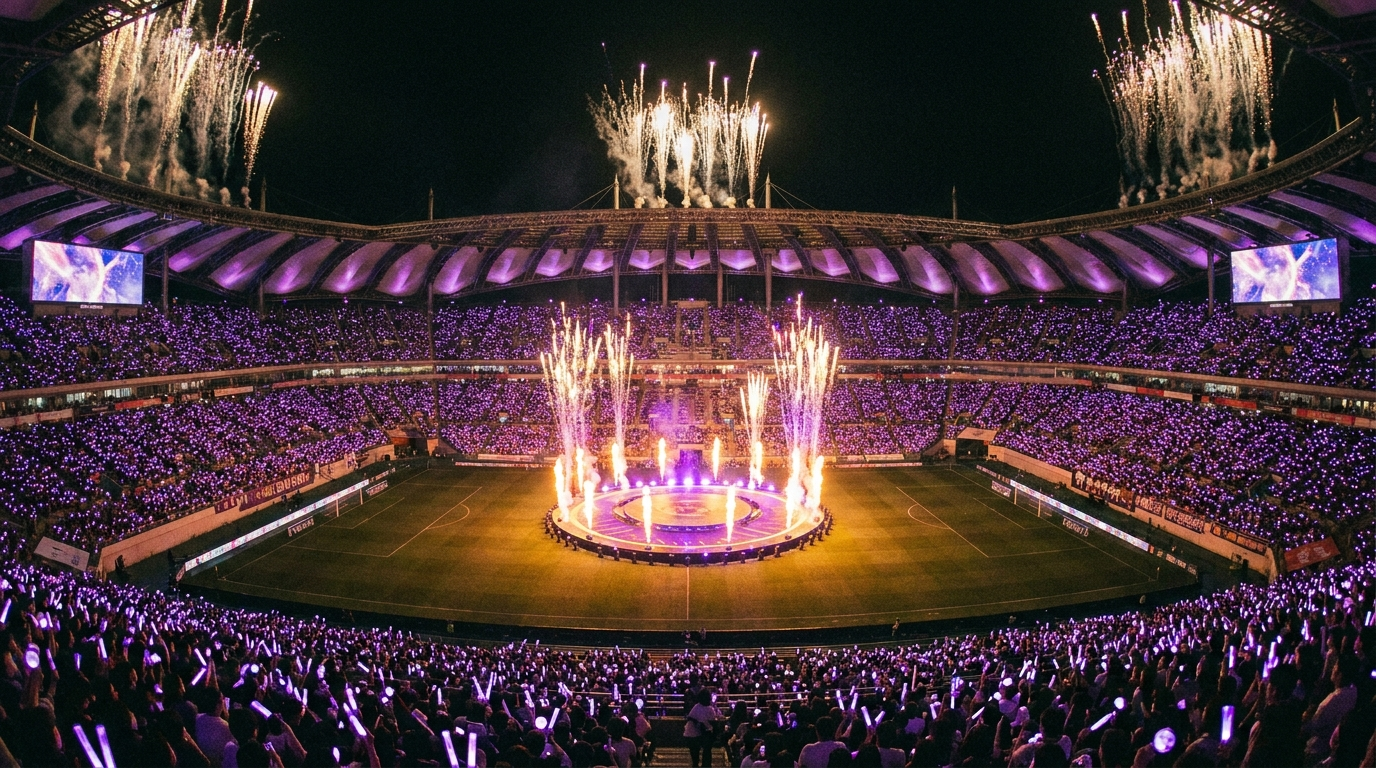
The show is being curated by Coldplay’s Chris Martin and will raise money for the FIFA Global Citizen education fund — Sesame Street characters are even joining to highlight children’s access to education. BTS said in a statement that standing on a stage “the whole world joins” is a tremendous honor, calling music “a universal language of hope and harmony.” For many Koreans, the moment feels like a national milestone as much as a concert announcement.
The Background: From Hiatus to ARIRANG
To understand why the BTS World Cup halftime show is such a big deal in Korea, you need the backstory. BTS spent the past few years on a staggered hiatus while each member completed Korea’s mandatory military service. Their full-group comeback arrived on March 20, 2026 with ARIRANG, a 14-track studio album named after Korea’s most iconic folk song — a melody that symbolizes separation, longing, and reunion. The symbolism was not lost on fans.
The album launched the Arirang World Tour, which kicked off April 9 in Goyang and spans more than 88 dates across 34 cities in 23 countries — the largest world tour ever mounted by a Korean act. Analysts estimate the comeback could generate around 2.9 trillion won (about $1.9 billion), a figure that rivals Taylor Swift’s Eras Tour. Virtually every show sold out within hours. This week, the group’s citywide fan festival “BTS The City Arirang” is taking over London landmarks with exhibitions and outdoor installations ahead of their concerts there — one more reason the fandom’s energy is at an all-time high going into the World Cup final.
What Are Koreans Actually Saying?
Korean social media reactions mix pride with humor. The national team was eliminated in the group stage of World Cup 2026, so a running joke online is that “Korea made it to the final after all — just through BTS.” Sports fans who spent late June grieving the team’s early exit are now planning 4 a.m. watch parties for a halftime show instead of a match.
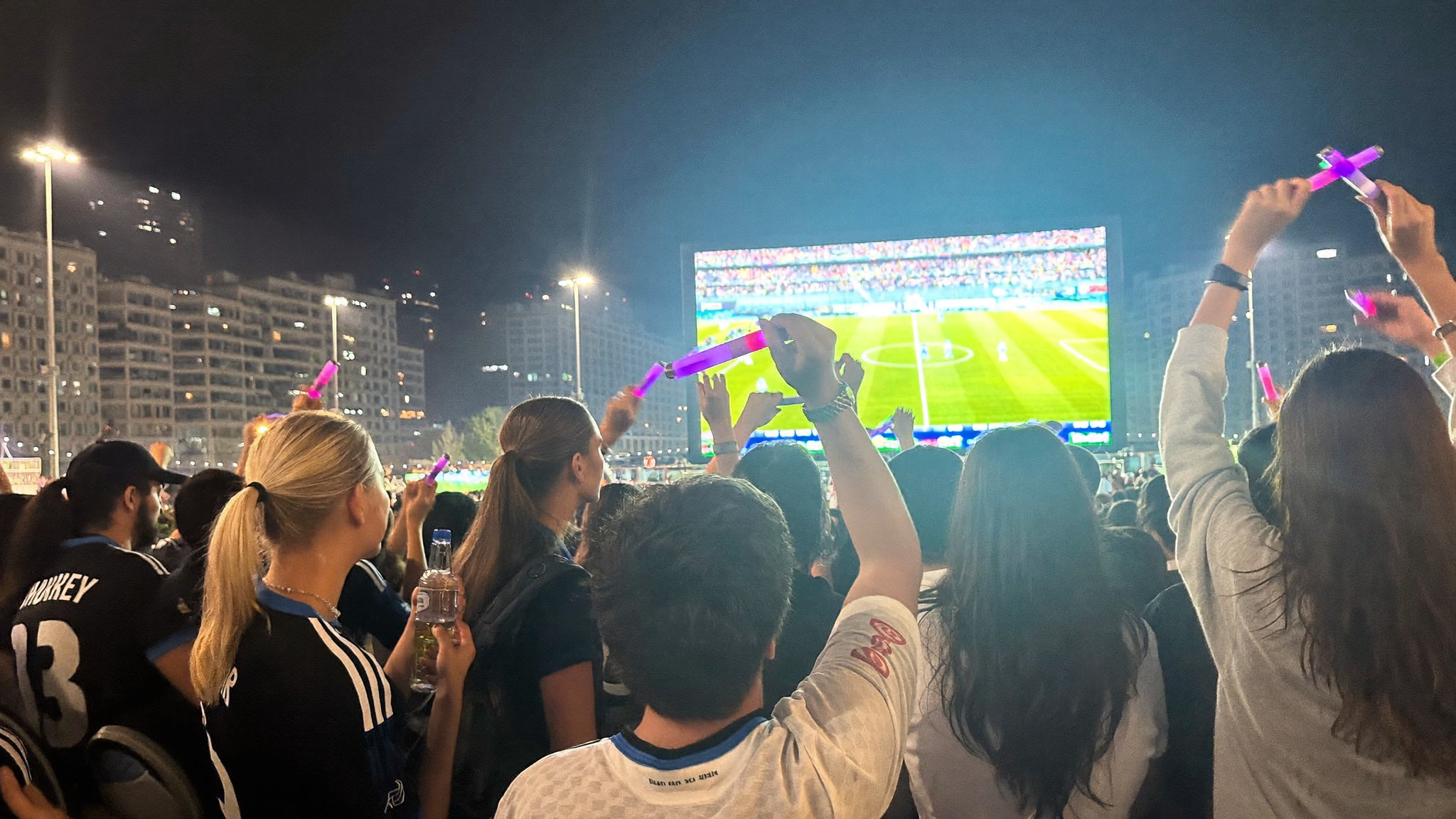
Older generations are talking about it too. National broadcasters have framed the show as the biggest overseas stage ever given to Korean artists, and even viewers who couldn’t name a single BTS song see the invitation — alongside Madonna and Shakira, two icons of past World Cup and global pop history — as proof of how far Korean culture has traveled. Fan communities are already organizing streaming events, subway ads, and charity drives timed to the broadcast, a distinctly Korean fandom tradition.
What the BTS World Cup Halftime Show Reveals About Korean Culture
The BTS World Cup halftime show says a lot about how Korea sees culture as its most powerful export. For decades, Korea measured global status through manufacturing — cars, ships, semiconductors. Today, K-pop, K-dramas, and K-food carry that flag. A Korean group headlining the single most-watched live event on Earth is, for many Koreans, the ultimate validation of the “soft power” strategy the country has invested in since the late 1990s.
There’s also a deeper cultural thread: Arirang itself. By naming their comeback album after a 600-year-old folk song and now performing on a global final stage, BTS is doing something very Korean — wrapping traditional identity inside hyper-modern packaging. It mirrors how Seoul presents itself to visitors: palaces next to skyscrapers, hanbok rentals next to pop-up stores. If you want to experience that fandom energy on the ground, our K-pop tourism guide to Seoul maps the agencies, fan cafes, and photo spots fans fly across the world to see.
How Does This Compare Internationally?
Globally, the closest comparison is the Super Bowl halftime show, an American institution that FIFA is clearly borrowing from — this is the first time a World Cup final has ever staged one. According to FIFA’s official announcement, the Madonna–Shakira–BTS triple bill was designed to span generations and continents. Billboard notes it’s the most globally diverse headline lineup a mega-event has ever booked, and CNN reports the show will be watched far beyond football audiences.
For BTS, it caps a comeback year that already included a viral trip to a Mexican lucha libre match and a citywide London festival. For Korea, it means the country’s flag flies at the World Cup final after all — culturally, if not competitively. Planning to visit during a big broadcast moment? Summer visitors should check our Seoul summer travel guide for surviving July in the city while you join a watch party.
Conclusion: A Purple Ocean at the World Cup
The BTS World Cup halftime show on July 19 is more than a performance — it’s the moment K-pop officially becomes part of football’s biggest ritual. Whether you’re an ARMY veteran or just World Cup-curious, expect purple light sticks in the stands, Arirang melodies in the mix, and an entire country watching at dawn with coffee and pride.
Curious about Korea beyond the headlines? Explore our guides to Seoul neighborhoods, food, and fan culture on Unboxing Korea, and follow along as we unpack what Koreans are talking about every day. If this story made you want to see a purple ocean in person, start planning your Seoul trip today.