If you’re building a Chuncheon travel guide for your Korea trip, you’re in for one of the country’s most underrated day trips. Just an hour from Seoul, Chuncheon travel guide fans come for a very specific reason: Nami Island, the tree-lined “micronation” made famous by the K-drama Winter Sonata, plus a spicy chicken dish so good the whole city is named after it in food-lover circles. This 2026 Chuncheon travel guide covers exactly how to get there, how much everything costs, what to eat, and how to fit it all into one unforgettable day (or two) outside Seoul.
Table of Contents
- Why Visit Chuncheon
- Getting to Chuncheon from Seoul
- Nami Island: Korea’s Most Famous Day Trip
- Gangchon Rail Bike: Ride Korea’s Prettiest Railway
- Soyanggang Skywalk and Uiam Lake
- What to Eat in Chuncheon: Dakgalbi and Makguksu
- Best Time to Visit Chuncheon
- Sample 1-Day and 2-Day Itinerary
- How Much Does a Chuncheon Day Trip Cost
- Where to Stay in Chuncheon
- Practical Tips for Japanese and Chinese Visitors
- Frequently Asked Questions
- Combining Chuncheon With a Longer Itinerary
- Final Thoughts
Why Visit Chuncheon
Chuncheon is the capital of Gangwon Province, wrapped around Uiam Lake and the Bukhan River roughly 90 km northeast of Seoul. Any good Chuncheon travel guide will tell you the city built its modern tourism identity on three pillars: Nami Island’s romantic scenery, the Gangchon Rail Bike’s repurposed railway, and dakgalbi, the region’s famous spicy stir-fried chicken. What makes Chuncheon special for foreign visitors, especially Japanese and Chinese tourists, is how compact it is. You can see the highlights in a single day trip from Seoul, or slow down and spend a relaxed overnight exploring the lake, cafes, and countryside.
Unlike Seoul’s dense, high-rise energy, Chuncheon feels like the Korean countryside: misty mornings over the lake, mountains ringing the skyline, and small-town warmth. For travelers who’ve already covered Gyeongju’s temples or Seoul’s palaces and want something different, Chuncheon delivers nature and nostalgia in equal measure.
Part of what keeps this Chuncheon travel guide relevant year after year is the city’s staying power with two very different audiences. Domestic Korean visitors come for weekend getaways, campus trips, and the dakgalbi that put the city on the culinary map. International visitors, meanwhile, arrive chasing a specific image: the metasequoia lane where the leads of Winter Sonata once walked. That dual identity means Chuncheon rarely feels like a tourist trap, since locals still eat at the same dakgalbi restaurants, fish the same lake, and cycle the same rail-bike route as the visitors who fly in specifically to see them.
Getting to Chuncheon from Seoul
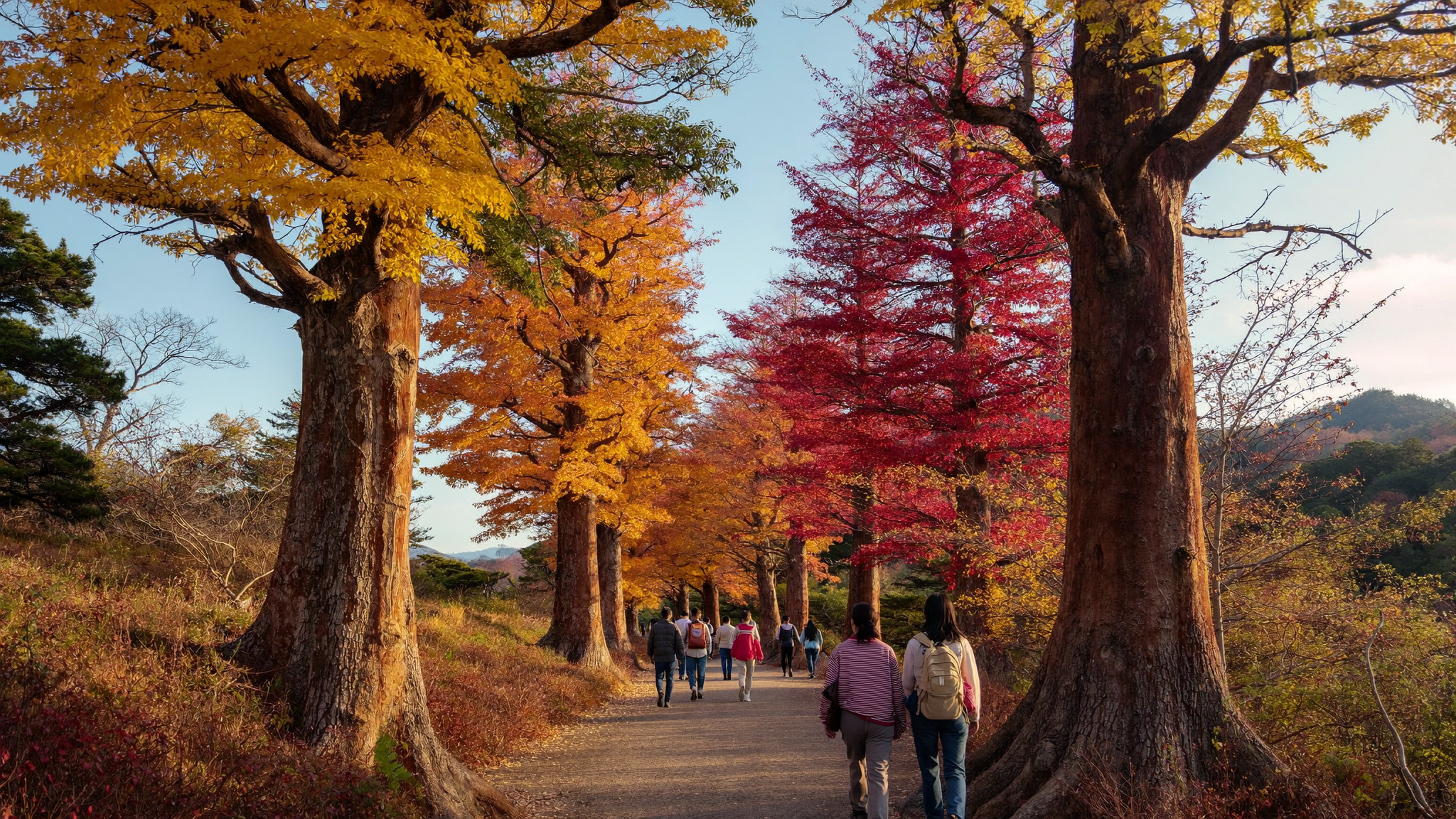
The single biggest question in any Chuncheon travel guide is how to actually get there, and the good news is it’s simple. The ITX-Cheongchun train departs from Yongsan Station and Cheongnyangni Station, reaching Chuncheon or the nearby Gapyeong stop in roughly 60-90 minutes. One-way fares run from about 4,800 KRW to 8,500 KRW depending on your departure station and destination, making it one of the cheapest scenic day trips from the capital.
If you’re heading straight for Nami Island rather than downtown Chuncheon, get off at Gapyeong Station, then take a five-minute taxi, or a short walk, to Gapyeong Wharf, where the ferry departs. Drivers can expect about 90 km and roughly 1 hour 15 minutes from central Seoul, though weekend traffic near Gapyeong can add extra time. Many first-time visitors also join a guided day-tour bus that bundles Nami Island, the Rail Bike, and a Petite France stop into one ticket, which is convenient if you don’t want to manage train transfers yourself.
Nami Island: Korea’s Most Famous Day Trip
No Chuncheon travel guide is complete without Nami Island, also called Namiseom, a half-moon-shaped island on the Bukhan River that markets itself as its own micronation, complete with a playful mock-immigration gate at the ferry dock. It shot to global fame as the filming location of Winter Sonata, and two decades later it remains a pilgrimage site for Japanese fans of Korean television, alongside a new generation of Chinese and Western visitors drawn by its Instagram-famous metasequoia tree lane.
Entry costs 19,000 KRW for adults, which functions as a combined round-trip ferry ticket and admission fee, so there’s no separate boarding charge. Ferries run every 10-20 minutes from 9:00 AM to 6:00 PM, and every 30 minutes in the early morning and evening, with the first boat at 8:00 AM and the last at 9:00 PM. Once on the island, don’t miss the Jade Garden Arboretum, the Nami Island Museum, the zipline across the river, and the Forest Adventure ropes course. Renting a bicycle to circle the island’s perimeter path is one of the best ways to see it all without rushing.
Budget at least 2-3 hours on the island itself. Arrive on the first ITX train and you can walk the famous tree-lined lane in near-total silence before the Seoul tour buses arrive around 10:30 AM, which is a huge difference if photos without crowds matter to you.
Gangchon Rail Bike: Ride Korea’s Prettiest Railway
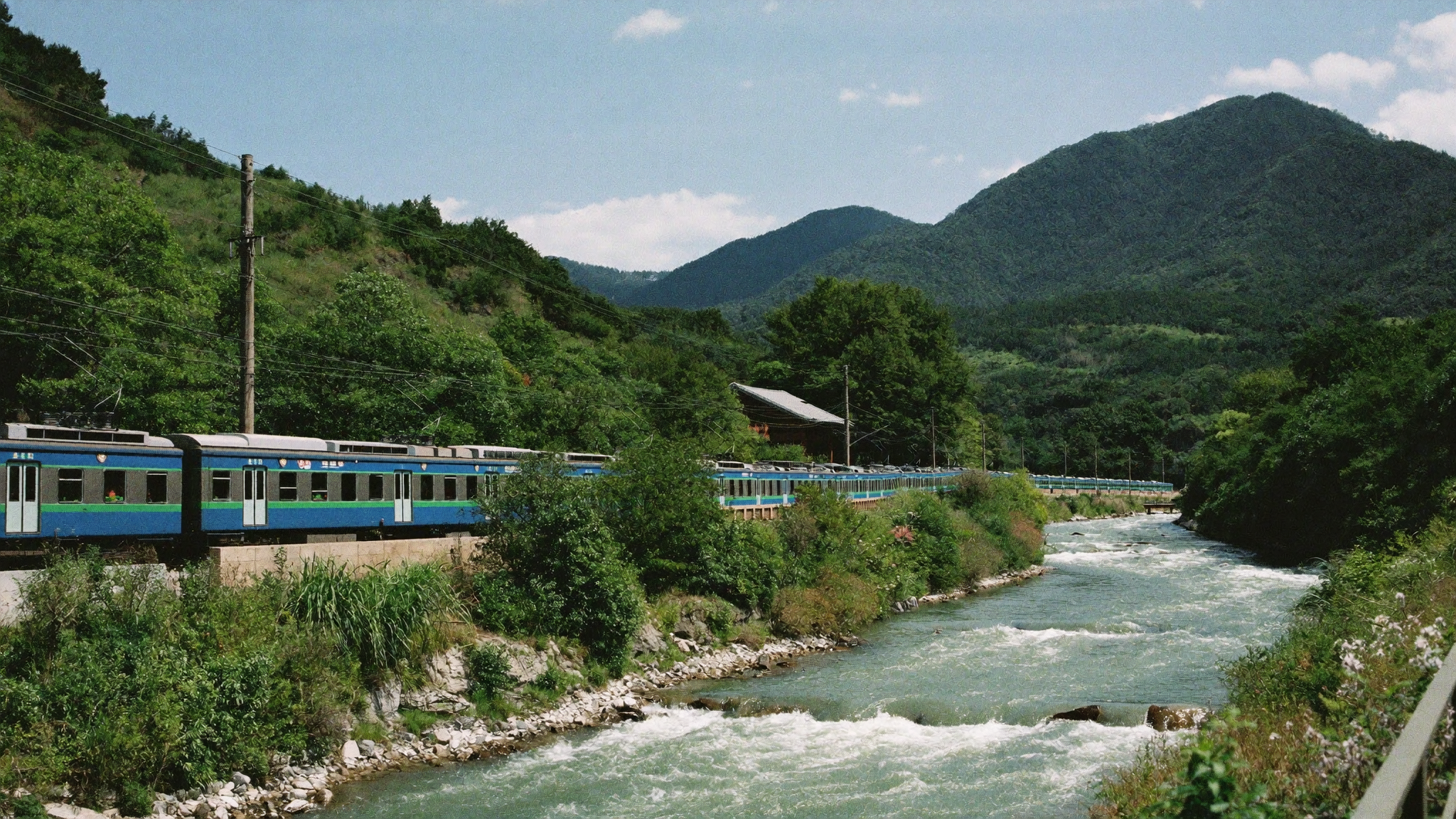
A short taxi or bus ride from Nami Island brings you to the Gangchon Rail Bike, also known as Gimyujeong Rail Park, one of the most popular add-ons in any Chuncheon travel guide itinerary. Riders pedal specially designed rail bikes along an 8.5 km stretch of the decommissioned Gyeongchun railway line, gliding through tunnels, over the Bukhan River, and past open farmland with mountain backdrops on both sides.
Pricing runs about 35,000 KRW for a two-seater and 48,000 KRW for a four-seater, and the ride finishes with a short train transfer back to the starting point, so you’re not pedaling the return trip. Along the route there are photo stops, a small cafe, and even a zipline for those craving an extra thrill. Because slots are timed and popular on weekends, booking a rail bike ticket a day or two ahead is strongly recommended, especially during cherry blossom season and autumn foliage weekends.
Soyanggang Skywalk and Uiam Lake
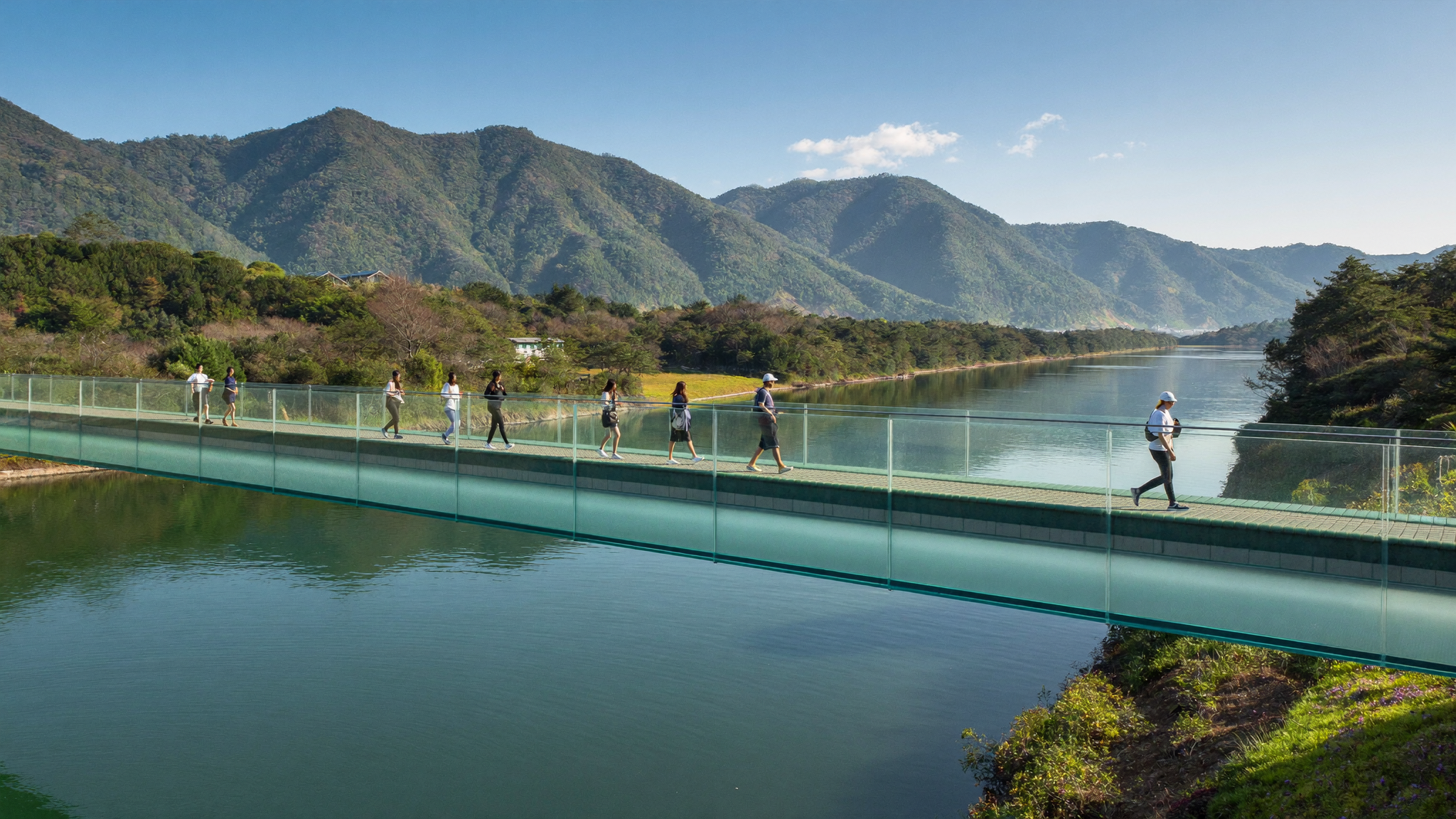
Back in downtown Chuncheon, the Soyanggang Skywalk is a glass-floored bridge extending out over the Soyang River, giving nervous-legged visitors a genuinely thrilling look straight down at the water below. It’s a short, free-to-low-cost stop that pairs well with a stroll along Uiam Lake, where paddle boats, lakeside cafes, and sunset views make for an easy, low-key afternoon after a more active morning at Nami Island or the Rail Bike.
Getting around once you’re in Chuncheon itself is straightforward. Local city buses connect Chuncheon Station, Myeongdong, Uiam Lake, and the Soyanggang Skywalk for a low, flat fare, and a T-money card works exactly the same way it does in Seoul. Taxis are inexpensive by Western standards and are the easiest option late at night or when carrying luggage between a guesthouse and the station. Bicycle rental kiosks near the lake are another popular way to cover ground slowly, especially in spring and autumn when the weather along the water is at its best. Because the main sights are spread across a few clusters rather than packed into one dense downtown core, most visitors mix a little walking with a short bus or taxi ride rather than relying on a single mode of transport for the whole day.
For travelers who prefer water over rails, Chuncheon also offers boat cruises around Uiam Lake and Soyang Lake, Korea’s largest artificial lake, with mountain scenery that rivals anything near Seoul.
What to Eat in Chuncheon: Dakgalbi and Makguksu
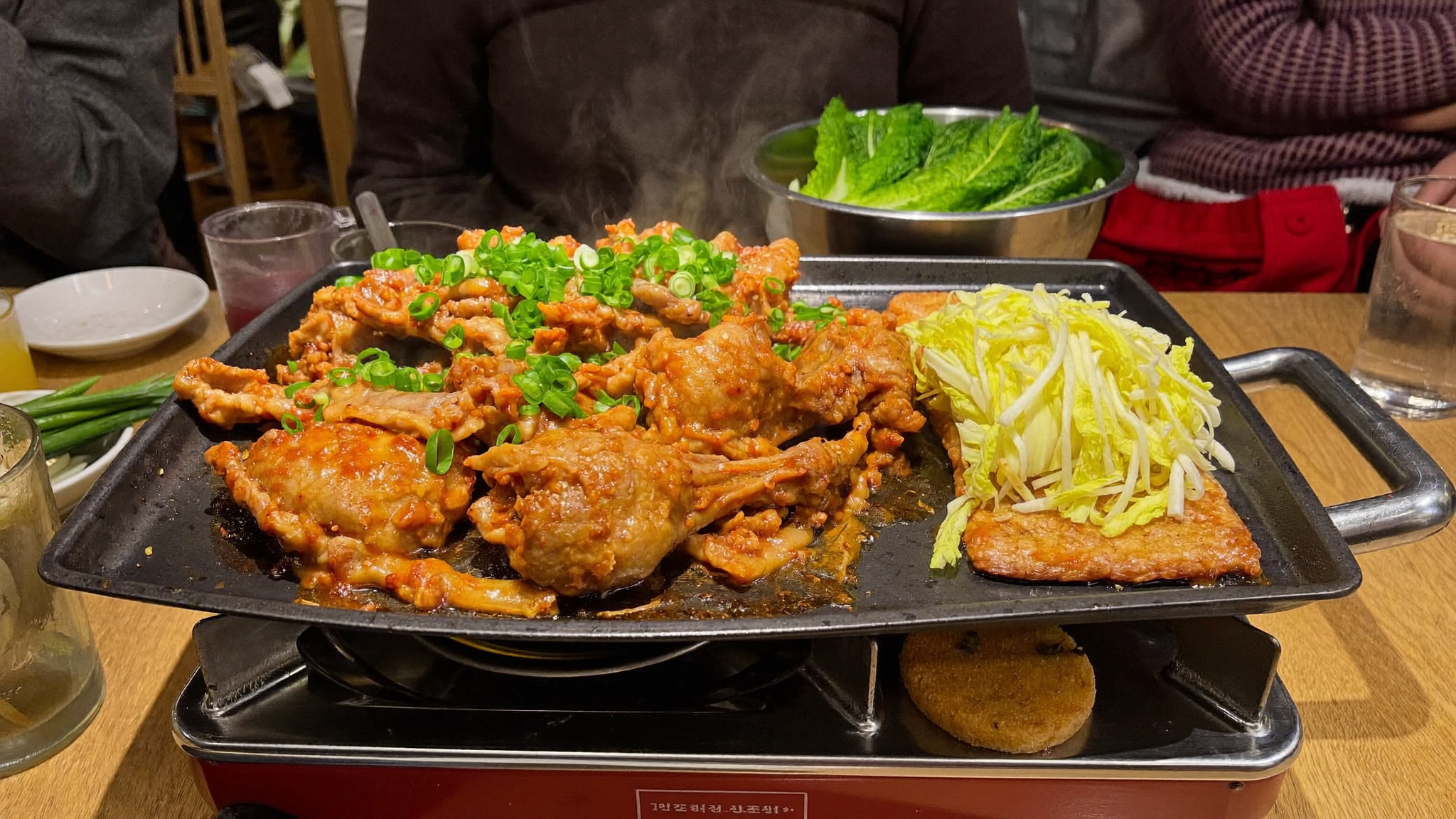
Any honest Chuncheon travel guide has to spend real time on food, because Chuncheon dakgalbi is arguably the city’s biggest draw for domestic Korean tourists. This is spicy, gochujang-marinated chicken stir-fried tableside with cabbage, sweet potato, rice cakes, and scallions on a large communal hot plate, smoky, sweet, and fiery all at once. Myeongdong Dakgalbi Street, a roughly 150-meter alley packed with around two dozen dakgalbi restaurants, is the classic place to try it, with a single serving typically costing around 14,000 KRW.
Pair it with makguksu, Chuncheon’s other signature dish: buckwheat noodles served cold in a tangy, spicy sauce, originally a farmer’s meal that’s now a beloved regional specialty. Many dakgalbi restaurants serve fried rice at the end of the meal, cooked directly in the leftover sauce on the same hot plate, so don’t skip it.
Best Time to Visit Chuncheon
Autumn, from mid-October to mid-November, is when most Chuncheon travel guide photos are taken, since the metasequoia lane on Nami Island and the surrounding Gangwon mountains turn deep orange and red, making it the single most photogenic window of the year. Spring, April through May, brings cherry blossoms along the lake, milder crowds, and comfortable hiking weather. Summer is lush and green but hot and humid, while winter transforms Nami Island’s bare tree lane into a quieter, frostier scene that has its own devoted fanbase, especially among repeat visitors chasing snow photos.
Sample 1-Day and 2-Day Itinerary
1-Day Itinerary: Catch the first ITX-Cheongchun train from Seoul, arrive at Gapyeong by 9:00 AM, take the ferry to Nami Island, and spend 2-3 hours exploring before the crowds build. Head to Gangchon Rail Bike by early afternoon, then grab dinner on Myeongdong Dakgalbi Street before the last train back to Seoul.
2-Day Itinerary: Follow the same first day, but stay overnight near Uiam Lake. On day two, walk the Soyanggang Skywalk in the morning, take a relaxed Soyang Lake boat cruise, sample makguksu for lunch, and browse Chuncheon’s local cafes before heading back to Seoul in the evening.
How Much Does a Chuncheon Day Trip Cost
One reason this Chuncheon travel guide keeps coming up in budget-travel comparisons is how affordable a full day actually is. Here’s a realistic breakdown for one adult doing the classic Nami Island plus Rail Bike combination:
- ITX-Cheongchun round trip: roughly 10,000-17,000 KRW depending on departure station
- Nami Island ferry and admission: 19,000 KRW
- Gangchon Rail Bike, 2-seater split two ways: 17,500 KRW per person
- Dakgalbi lunch or dinner: roughly 14,000-16,000 KRW per person
- Local taxis and buses: 5,000-10,000 KRW
All told, budget somewhere between 65,000 and 90,000 KRW per person for a complete one-day Chuncheon itinerary covering transport, entry fees, and meals, which is noticeably cheaper than a comparable day trip to Jeju or an overnight stay in Busan. Traveling with a group or splitting the four-seater rail bike brings the per-person cost down even further. For travelers combining this stop with other regions, it’s worth comparing notes with our other regional guides so your overall trip budget stays realistic from city to city.
Where to Stay in Chuncheon
Most visitors treat Chuncheon as a day trip and return to Seoul the same evening, which is entirely doable given the short train ride. But if you want to slow down, staying overnight near Uiam Lake or downtown Chuncheon, close to Myeongdong Dakgalbi Street, puts you within walking distance of restaurants, cafes, and the Soyanggang Skywalk. Guesthouses and mid-range hotels cluster around the Chuncheon Station and Myeongdong areas, while a smaller number of pensions and resort-style stays sit closer to Soyang Lake for travelers who want quiet, lakeside mornings before the day-trippers arrive from Seoul. Booking ahead during autumn foliage weekends and Korean public holidays is strongly recommended, since rooms fill up quickly during peak color season. Solo travelers, couples, and families all tend to find something that fits, since the town is small enough to walk between most guesthouses and the lakefront in under fifteen minutes.
Practical Tips for Japanese and Chinese Visitors
Nami Island’s Winter Sonata legacy still draws a steady stream of Japanese tourists decades after the drama aired, and staff at the ferry terminal and major attractions are used to Japanese and Chinese speakers, with signage typically available in both languages alongside English and Korean. Cash and card are both widely accepted at the ferry ticket counter and rail bike station, though a T-money card is useful if you plan to take local buses around Chuncheon itself. Photogenic spots, including the metasequoia lane, the Rail Bike bridges, and the Skywalk, get busy between 10:30 AM and 3:00 PM, so plan around those windows if crowd-free photos are a priority.
If you want more essential logistics before your trip, our Korea travel tips for first-time visitors guide covers money, transit cards, and etiquette basics. And if Chuncheon is one stop on a longer regional itinerary, pair it with our Gyeongju travel guide or Andong travel guide for a fuller picture of Korea beyond Seoul.
For official transport schedules and ticketing, check Korail’s official booking site before you travel, and see the Korea Tourism Organization’s official guide for the latest opening hours and any seasonal closures at Nami Island or Gangchon Rail Park.
Frequently Asked Questions
Is Chuncheon worth visiting as a day trip from Seoul?
Yes. With an ITX train ride of about an hour and a compact cluster of attractions around Nami Island and Gangchon, Chuncheon is one of the easiest and most rewarding day trips available from the capital.
Do I need to book Nami Island tickets in advance?
Advance booking isn’t strictly required for individual travelers, since ferries run frequently, but booking a combined tour ticket ahead of time can save time during weekends and autumn foliage season.
Can I visit Nami Island and the Gangchon Rail Bike in one day?
Yes, this is the most common combination in any Chuncheon travel guide itinerary. Start with Nami Island in the morning, then move to the Rail Bike in the early afternoon before it gets dark.
Is Chuncheon suitable for a family trip with kids?
Very much so. Nami Island’s flat paths, the gentle Rail Bike ride, and the novelty of the Soyanggang Skywalk all make Chuncheon an easy, low-stress destination for families traveling with children.
How does Chuncheon compare to other regional day trips from Seoul?
Compared with longer regional trips like Gyeongju or Andong, Chuncheon is faster to reach and easier to pack into a single day, while still delivering a genuinely different landscape and food scene from the capital.
Combining Chuncheon With a Longer Korea Itinerary
Because Chuncheon sits northeast of Seoul while cities like Gyeongju, Andong, and Jeonju sit south, most visitors treat it as a standalone day trip bookending a Seoul stay rather than a stop on a south-bound regional route. A common pattern for a two-week Korea trip looks like this: a few days in Seoul, a day trip to Chuncheon for Nami Island and the Rail Bike, then a train south to Gyeongju or Jeonju for temples, hanok villages, and regional food before looping back to Seoul for departure. Because the ITX-Cheongchun ride is short, Chuncheon slots in easily on either the first or last full day of a trip without disrupting a longer itinerary built around KTX travel to the south.
Travelers who only have three or four days in Korea sometimes ask whether Chuncheon or a southern city like Gyeongju is the better use of a single day trip. The honest answer depends on what you want: Chuncheon leans toward nature, lake scenery, and an easy, low-effort outdoor day, while Gyeongju and Andong lean toward history, temples, and traditional architecture. Many repeat visitors end up doing both on separate trips rather than choosing one over the other permanently.
Final Thoughts
This Chuncheon travel guide should give you everything you need for a smooth, memorable trip: an easy hour-long train ride from Seoul, Nami Island’s tree-lined lanes, the Gangchon Rail Bike’s riverside tracks, the Soyanggang Skywalk’s glass-floor thrill, and a hot plate of dakgalbi to finish the day. Whether you have one day or two, Chuncheon is proof that some of Korea’s best travel experiences sit just outside the capital, waiting for a train ticket and a little curiosity.
Ready to plan your trip? Bookmark this Chuncheon travel guide, check the ITX-Cheongchun schedule, and book your Nami Island ferry ticket early during autumn foliage season, since it’s one Korea day trip that consistently lives up to the hype.