Why is everyone in Seoul suddenly talking about Seongsu-dong Seoul? A decade ago this was a quiet industrial neighborhood of shoe factories and auto repair shops. In 2026, it has overtaken both Myeongdong and Gangnam to become Korea’s undisputed K-beauty and fashion capital, pulling flagship stores from Musinsa, Olive Young, APR, and even Dior into its converted brick warehouses. Here’s why this one Seoul neighborhood has become the center of gravity for Korean youth culture — and what it says about how trends actually spread in Korea.
Table of Contents
- What’s Happening in Korea Right Now?
- The Background: Why Did This Start?
- What Are Koreans Actually Saying?
- What This Reveals About Korean Culture
- How Does This Compare Internationally?
- Conclusion
What’s Happening in Korea Right Now?
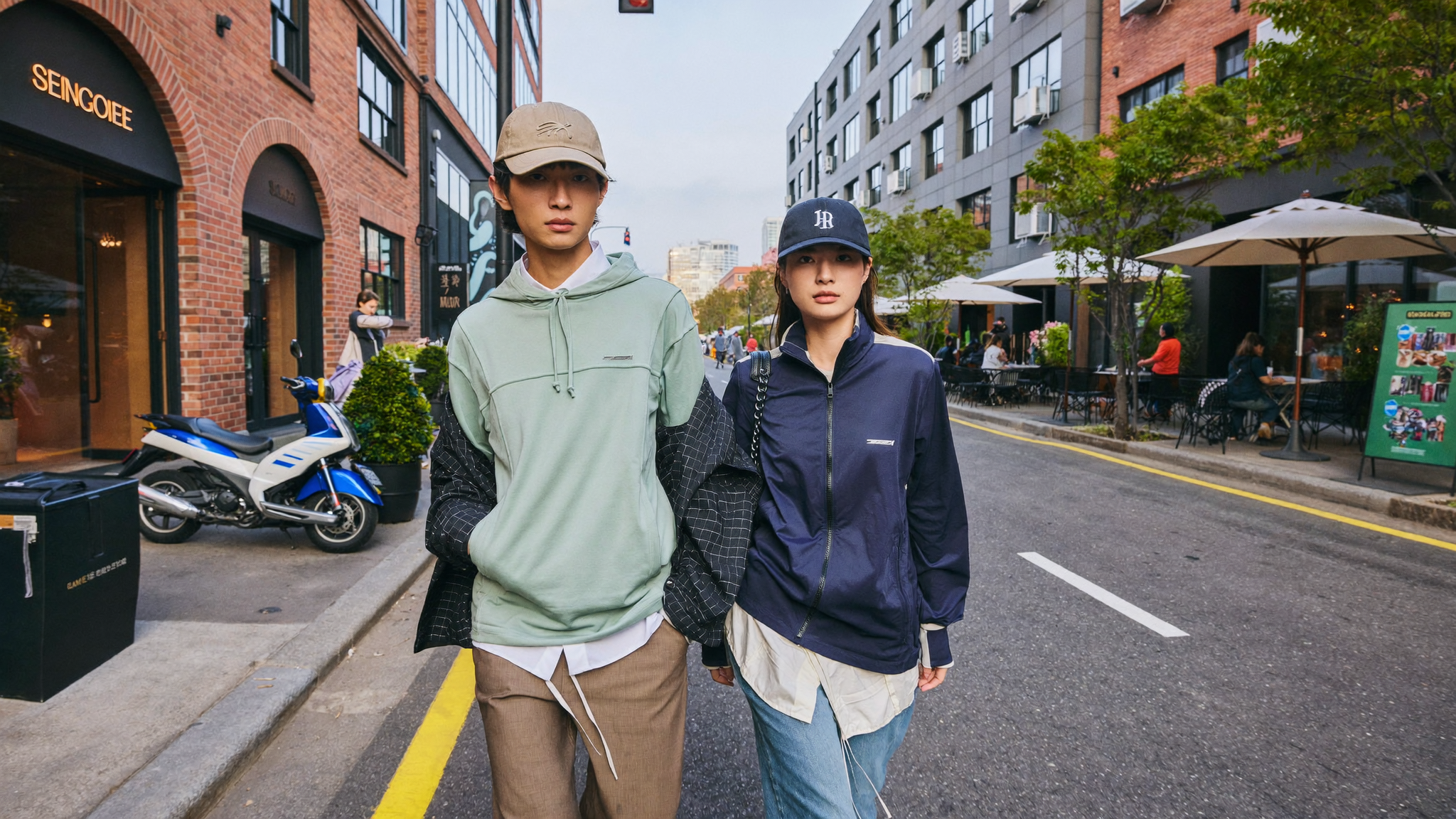
By 2026, Seongsu-dong Seoul has firmly established itself as the epicenter of K-beauty and K-fashion, according to Seoul Economic Daily, which reports the neighborhood has overtaken Myeongdong and Gangnam in cultural relevance. Myeongdong, many young Koreans now say, feels dull and overrun with tour groups, while Gangnam is dominated by office towers. Seongsu-dong, by contrast, has become the destination for whatever is next: Musinsa’s flagship “Seongsu Daerim Warehouse” store anchors the district with over 50 sneaker brands and 100-plus fashion labels, while Dior Seongsu draws crowds with a glittering, doll-house-like building offering region-exclusive items. Gentle Monster and APR (the company behind Medicube and Anua) have also planted flagship stores here, and the district now runs the highest volume of pop-up store activations anywhere in Seoul, with brands rotating through converted warehouses on cycles as short as one to four weeks.
The dominant look on Seongsu-dong’s streets right now is what local style press calls “hybrid gorpcore” or “granola-chic” — technical outerwear like Gore-Tex shells layered over silk dresses, moss-green vests over ochre linen, and utilitarian hiking gear mixed with elevated tailoring. It is street style built for a neighborhood of converted shoe factories: equal parts function and high fashion.
The Background: Why Did This Start?
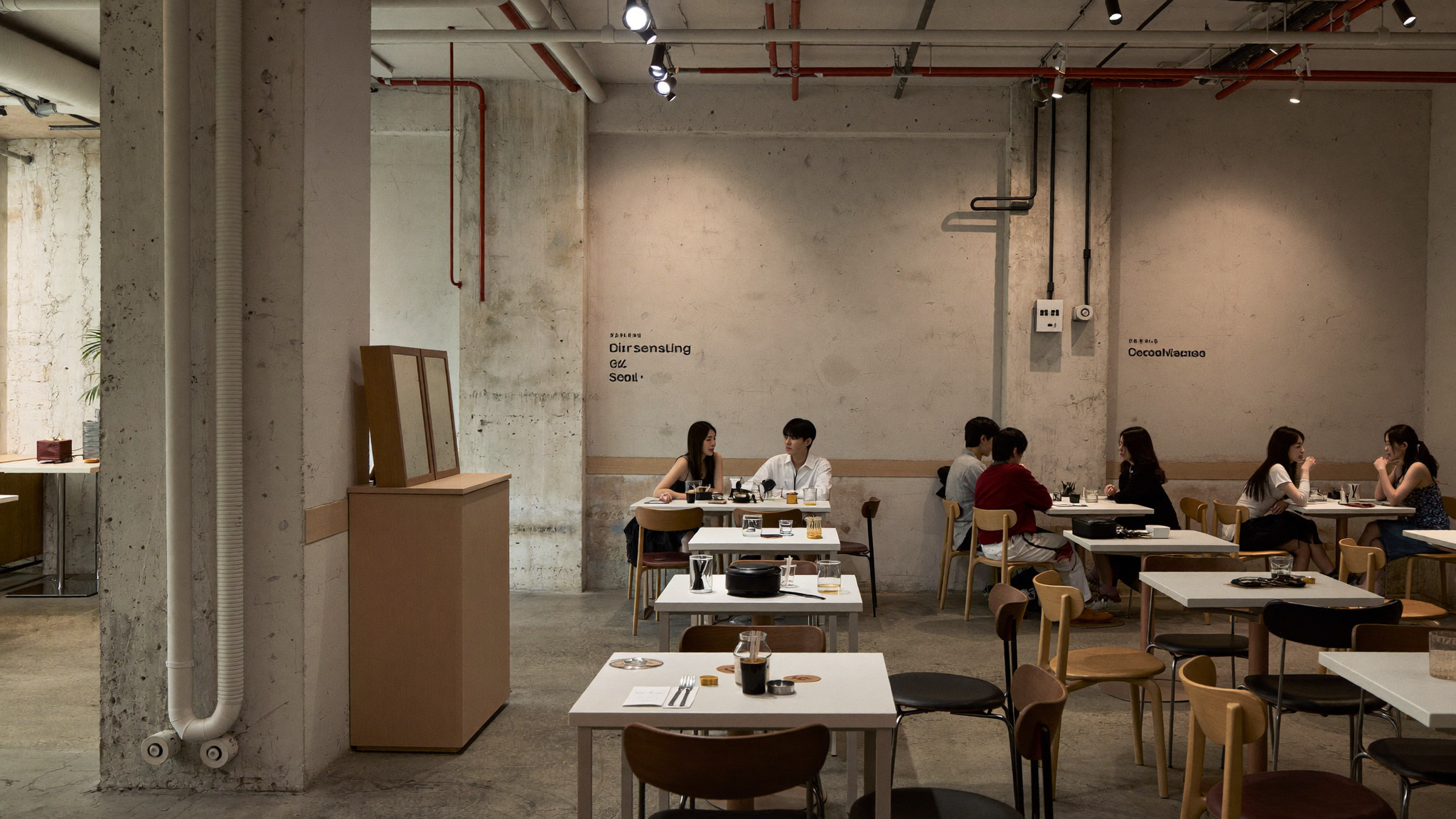
Seongsu-dong’s rise did not happen overnight. Through the 1970s and 1980s, the neighborhood was Seoul’s shoemaking district, packed with small manufacturing workshops and repair garages. When that industry declined, its cheap rents and raw, red-brick factory buildings became irresistible to independent designers, cafes, and creative studios looking for space the polished malls of Gangnam couldn’t offer. That gritty, adaptive-reuse aesthetic — exposed pipes, factory ceilings, industrial signage left intact — is precisely what gives Seongsu-dong its nickname: “the Brooklyn of Seoul.”
Once K-pop stylists and off-duty idols started being photographed in the area’s cafes, Seongsu-dong Seoul crossed over from a design-industry secret into a mainstream fashion pilgrimage site, and international luxury houses followed. The neighborhood’s genuine manufacturing history — its old shoe and leather-goods workshops — also gives it a layer of craft credibility that newer commercial districts simply cannot fake.
What Are Koreans Actually Saying?
Younger Koreans, especially those in their 20s, treat a Seongsu-dong visit as a form of cultural currency — sharing which pop-up they queued for, which limited-edition cosmetics dropped that week, and which converted-warehouse cafe had the best interior for photos. Older Seoulites, meanwhile, are more likely to view the area with a mix of nostalgia and mild bemusement, remembering it as a working-class manufacturing zone rather than a luxury shopping destination, and sometimes lamenting how quickly rents have risen as global brands moved in. There is also a recurring local debate about “Seongsu fatigue” — whether the district’s pop-up culture is becoming so oversaturated and commercialized that it will eventually lose the authentic, independent-design spirit that made it interesting in the first place.
What This Reveals About Korean Culture
Seongsu-dong Seoul is a case study in how quickly Korean urban culture can flip a neighborhood’s identity while preserving its physical bones. Rather than demolishing the old shoe factories, brands and designers adaptively reused them, turning industrial heritage into a marketing asset. This reflects a broader Korean instinct for speed and reinvention: trends here don’t gradually simmer for a decade the way they might in other cities — they are identified, amplified through social media and K-pop culture, and scaled into a full retail ecosystem within a few years. It’s also a reminder that in Korea, authenticity and commercial ambition aren’t seen as contradictions; a converted warehouse can house both a scrappy independent designer and a Dior flagship within a few blocks of each other.
How Does This Compare Internationally?
Seongsu-dong’s arc — from industrial decline to creative-class magnet to luxury retail destination — closely mirrors what happened in Brooklyn’s Williamsburg, London’s Shoreditch, and Tokyo’s Shimokitazawa, all neighborhoods where cheap post-industrial real estate attracted artists first and luxury brands second. What sets Seongsu-dong apart is the sheer speed of the transition and how tightly it’s bound up with K-pop and K-beauty’s global export machine: a single celebrity cafe visit here can now translate into international tourist foot traffic within weeks, something Western gentrification stories rarely achieve that fast. For a broader look at how Seoul’s neighborhoods each carved out distinct identities, see our Seoul Neighborhood Guide, our in-depth Seongsu-dong Guide, and our Euljiro retro district guide for a contrasting, older-school alternative just a few subway stops away.
Conclusion
Seongsu-dong Seoul is more than a trendy shopping strip — it’s a live example of how a Korean neighborhood can compress decades of gentrification into a few fast-moving years, all while keeping its industrial soul visible in the exposed brick and factory windows. Whether or not the pop-up boom eventually cools it off, for now it remains the clearest place in Seoul to watch Korean fashion and beauty trends form in real time. Want more Seoul neighborhood deep dives? Browse our Seoul Travel Tips section for more.
Sources: Seoul Economic Daily, Michelin Guide.