Why is Korea suddenly obsessed with public wedding venues? Across Seoul, Suwon, and Ulsan, engaged couples are trading marble ballrooms and $15,000 wedding-hall packages for city parks, riverside gardens, and even museum courtyards — some for as little as 19 US dollars. It sounds like a viral money-saving hack, but it is actually a quiet social experiment tied to Korea’s low birthrate crisis, and it is changing what a Korean wedding looks like for the first time in a generation.
Table of Contents
- What’s Happening in Korea Right Now?
- The Background: Why Did This Start?
- What Are Koreans Actually Saying?
- What This Reveals About Korean Culture
- How Does This Compare Internationally?
- Conclusion
What’s Happening in Korea Right Now?
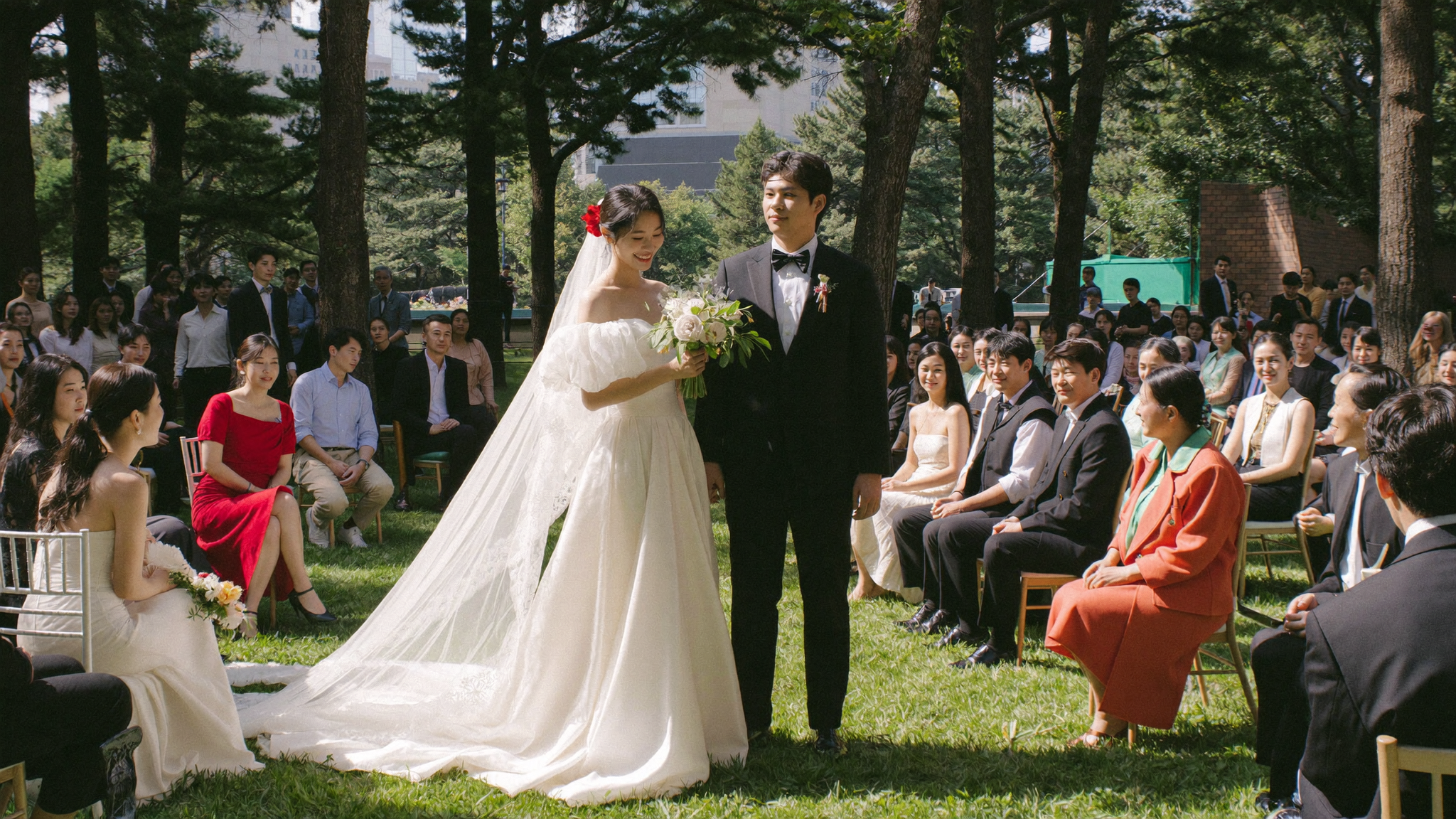
According to The Korea Times, Korean couples are increasingly ditching luxury wedding halls for public wedding venues Korea’s local governments now rent out for a fraction of market price. Seoul city runs a program called “More Beautiful Wedding” across 61 locations, including the Namsan Hannam Wedding Garden, Yongsan Family Park, and the Peace Park inside World Cup Park. The city even hands engaged couples 1 million won (about $720) to help cover setup costs. The program hosted 155 weddings in 2024 and jumped to 280 in 2025 — a sign the idea is catching on fast.
Suwon has gone further. The city opened four public sites, including the historic Gwanggyo Historical Park, for just 30,000 won (about $22) for a two-hour rental. A couple hosting 200 guests on a budget plan there ends up paying roughly 13.6 million won total — about 10 million won less than the 20.19 to 23.79 million won ($14,600–$17,200) an average private wedding hall in Korea charges. Ulsan, meanwhile, opened eight outdoor locations, including the scenic Taehwagang National Garden, completely free of charge, plus four indoor venues like the Ulsan Garden Support Center for under 100,000 won.
The Background: Why Did This Start?
To understand why public wedding venues Korea-wide have become a genuine trend, you have to understand Korea’s marriage math. The country’s fertility rate cratered to a world-record low of 0.72 to 0.78 in recent years, and when Statistics Korea asked unmarried adults why they were avoiding marriage, the number one answer — at 32.4% — was simply “not enough money.” Weddings themselves are a huge part of that math: between the hall rental, catering, photography, dress, and honeymoon, a typical Korean wedding can easily run past 38 million won ($27,000) once housing costs are factored in, according to Japanese business outlet Nikkei.
So local governments, desperate to nudge the birthrate upward, started treating the wedding hall bill itself as a policy problem. If a couple’s biggest barrier to marrying is cost, the logic goes, then subsidizing venues is a lever cities can actually pull — unlike the more abstract goals of raising wages or fixing housing prices. Dozens of public museums and galleries across the country have joined in too, opening their halls and courtyards to newlyweds specifically because of the low birthrate push, according to ARTnews.
What Are Koreans Actually Saying?
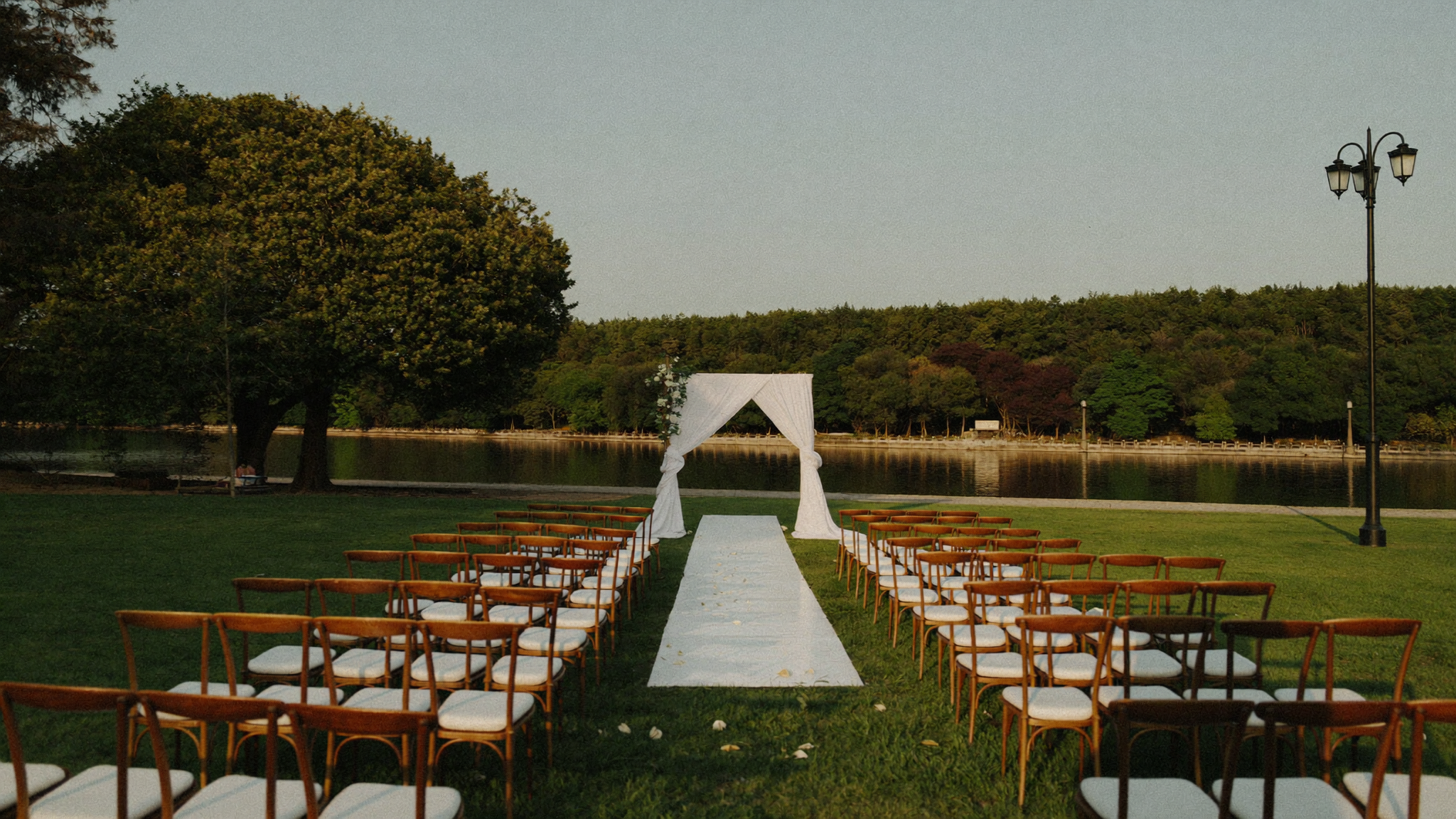
Reactions are split along generational lines. Younger couples on Korean social media and forums describe public venues as liberating rather than embarrassing — a chance to opt out of the rigid, assembly-line wedding-hall format where ceremonies are often booked back-to-back in 30-minute slots. Older relatives, by contrast, sometimes worry that skipping a traditional hall signals the family can’t afford a “proper” wedding, since venue prestige has long been tied to social face-saving (chemyeon) in Korean culture.
The rollout hasn’t been universally smooth, either. Not every city has seen demand: Daegu operates nine public wedding venues, yet not one hosted a wedding this year, and Jeonju’s six public venues had zero bookings in 2025. Local reporting points to a simple reason — many of these venues lack the parking and on-site catering that guests expect, so budget savings on the venue itself can get eaten up by logistics elsewhere.
What This Reveals About Korean Culture
This trend is really a window into how Korea negotiates tradition versus practicality in real time. Weddings in Korea have historically been maximalist displays — the size of the hall, the guest count, and the gift money (chukuigeum) exchanged all functioned as a public ledger of a family’s social standing. Public wedding venues Korea’s government now promotes are a direct challenge to that ledger: they ask couples to signal love and commitment through a scenic backdrop rather than a five-star ballroom.
It also reflects something distinctly Korean about how social problems get solved — through fast, visible, government-led infrastructure. Rather than waiting for cultural attitudes toward marriage to shift on their own, city halls converted parks, gardens, and museums into wedding infrastructure within a couple of years. For visitors, it is a good reminder that in Korea, even romance runs through public policy.
How Does This Compare Internationally?
Korea is not alone in rethinking the wedding-industrial complex. Countries like Japan and Taiwan, which share Korea’s low birthrate anxieties, have experimented with similar subsidized matchmaking and marriage-support programs, though rarely with the scale of converting national parks and museums into everyday ceremony venues. In the West, the “micro-wedding” and backyard-wedding trend that grew during the pandemic reflects a parallel instinct — younger generations everywhere are questioning whether an expensive, one-day production is worth the debt. Korea’s version is distinct because it is state-subsidized and explicitly framed as demographic policy rather than a personal lifestyle choice.
If you’re planning your own trip to Seoul and want to see the city’s cultural neighborhoods that shape these social trends firsthand, our Seoul Neighborhood Guide is a useful starting point, and our list of unique things to do in Korea covers several of the parks now doubling as wedding venues.
Conclusion
Korea’s $19 public weddings are more than a budget hack — they’re a real-time experiment in whether policy can nudge a deeply rooted culture of wedding extravagance toward something simpler and more sustainable. Whether it moves the needle on the birthrate is still an open question, but for couples tired of the traditional wedding-hall treadmill, it’s already reshaping what “getting married in Korea” looks like. Curious what else is trending in Korea this week? Browse more Seoul culture and travel stories on Unboxing Korea.
Sources: The Korea Times, The Korea Herald, ARTnews.