- What’s Happening in Korea Right Now?
- The Background: Why Did This Start?
- What Are Koreans Actually Saying?
- What This Reveals About Korean Culture
- How Does This Compare Internationally?
- Conclusion
What’s Happening in Korea Right Now?
Korea’s highest-ever heat warning is expanding again this week, and it’s the story dominating every weather bulletin in the country. The Korea Meteorological Administration has widened its top-tier heat wave alert across the southeastern region as temperatures climb toward 40°C (104°F), with highs already hitting 38.4°C in Gyeongju, 35.4°C in Daegu, and readings edging past 32°C even in coastal Pohang, according to The Korea Times. With the monsoon rains effectively over, forecasters are warning the heat could pose “life-threatening” risks, especially overnight, when so-called tropical nights are giving residents no real chance to cool down.
The Background: Why Did This Start?
Korea only introduced its current tiered heat-alert system a few years ago, and this is the first summer the top tier has been triggered so widely and so early in the southeastern provinces. The alert activates when perceived temperatures — factoring in humidity, not just raw heat — are forecast to stay dangerously high for an extended stretch. What makes 2026 different is timing and duration: the monsoon season, which usually breaks up the worst of the heat with rain, ended early this year, leaving an unusually long and uninterrupted stretch of extreme temperatures across the south and east of the country. Meteorologists point to this as part of a broader pattern of Korean summers starting earlier, running hotter, and lasting longer than they did even a decade ago.
What Are Koreans Actually Saying?
Korean media and social feeds are treating this less like routine summer weather and more like a genuine national event. Korea JoongAng Daily reported the alert expansion with a tone of genuine concern rather than the usual seasonal shrug, and local news broadcasts have shifted to nightly heatstroke warnings and updates on cooling shelters. One recurring theme in Korean commentary is the fading reliability of “cheoseo,” the traditional end-of-summer marker that Koreans have long used to signal that the worst heat is behind them — this year, that seasonal promise is arriving late and delivering little relief, and older Koreans in particular have been vocal about how unrecognizable Korean summers have become compared to their childhoods.
What This Reveals About Korean Culture
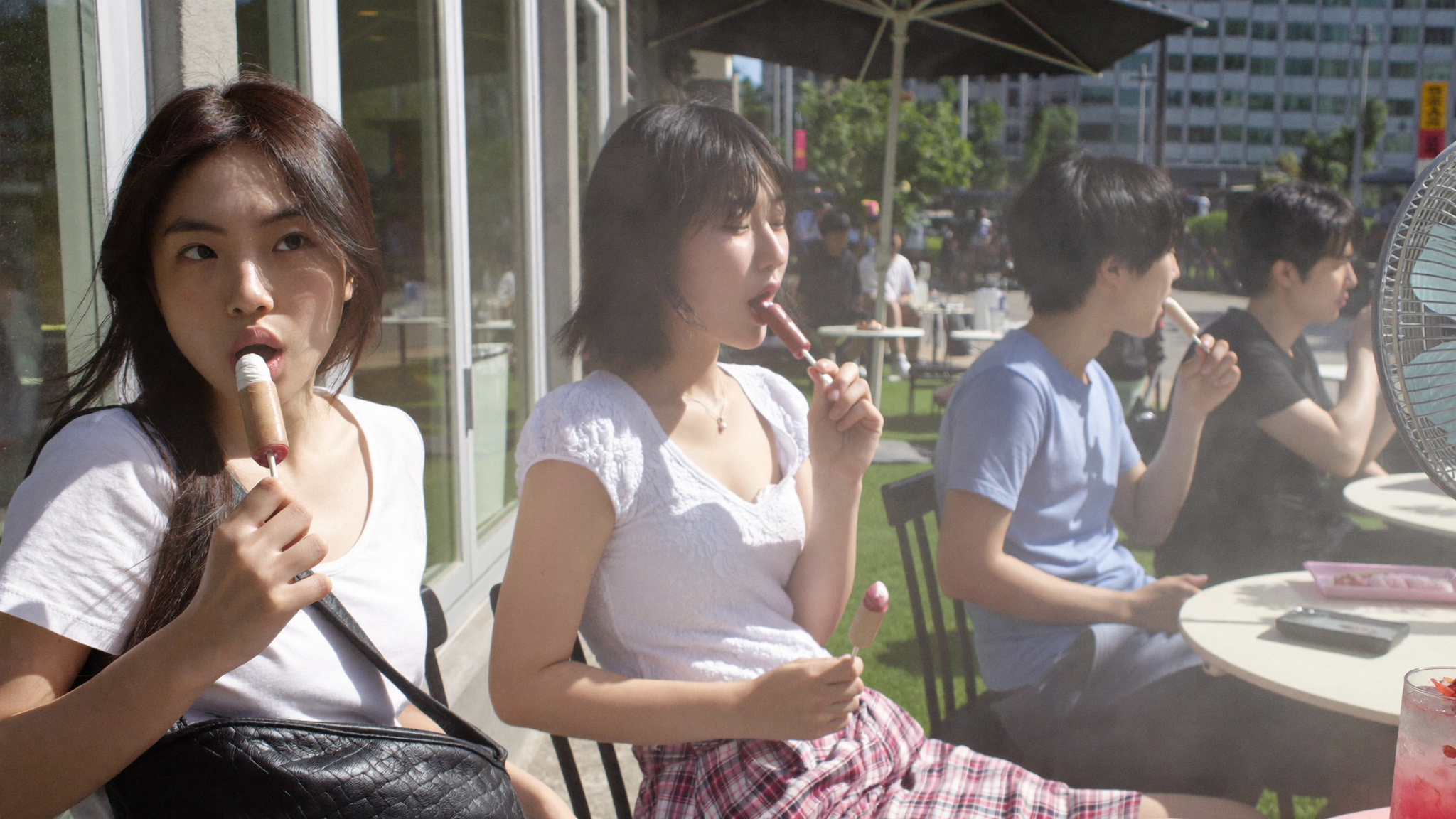
Korea’s response to extreme heat says a lot about how the country blends collective public infrastructure with private, food-based coping rituals. On the infrastructure side, cities deploy cooling fog systems at bus and taxi stops, subway stations double as free air-conditioned refuges, and convenience stores — open 24 hours nearly everywhere — function as informal cooling centers stocked with cheap ice drinks. On the cultural side, there’s the concept of “iyeol chiyeol” (fighting heat with heat): eating scorching-hot samgyetang (ginseng chicken soup) on the hottest days of the year, a tradition that seems paradoxical to outsiders but reflects a broader Korean belief in restoring bodily balance rather than simply avoiding discomfort. Alongside that, bingsu culture goes into overdrive — mountains of shaved ice topped with fruit, red beans, and condensed milk have become the default answer to unbearable heat, sold everywhere from luxury hotel cafes to neighborhood dessert shops.
The heat wave also reveals a generational anxiety running through Korean society: as summers stretch longer each year, there’s a growing sense that the seasonal rhythms older Koreans grew up with — clear rainy season, brief peak heat, cooling by late August — are permanently shifting, and public conversation increasingly frames this as a climate story rather than just an unlucky summer. If you’re curious how Korea handled the last round of record heat, our earlier coverage of the Korea heatwave 2026 survival tips is a useful companion read, and our lemon core summer style guide covers how Koreans dress for the heat.
How Does This Compare Internationally?
Korea isn’t alone in facing record-breaking summers — Japan, southern Europe, and parts of the United States have all set new heat records in recent years. What’s distinct about Korea’s version is the density of its urban coping infrastructure: cooling fog systems, free water stations, and a convenience store on nearly every block make Seoul and other Korean cities comparatively easier places to survive extreme heat than many Western cities that lack widespread air conditioning. At the same time, Korea’s humidity-driven “tropical night” phenomenon, where overnight lows barely dip, is intensifying faster than in some drier climates, making nighttime recovery from the day’s heat increasingly difficult — a pattern climate researchers are watching closely across East Asia.
Conclusion
Korea’s highest-ever heat warning is more than a weather headline — it’s a snapshot of a country adapting in real time, from cooling mist at bus stops to bingsu lines out the door, while quietly reckoning with how much its summers have changed. Whether you’re traveling to Korea this month or just following along, it’s a reminder that even the most tech-forward, K-pop-exporting country still has to plan its days around the same thing everyone else does: the weather.
Heading to Korea this summer? Browse Unboxing Korea’s latest guides for tips on beating the heat and making the most of your trip.