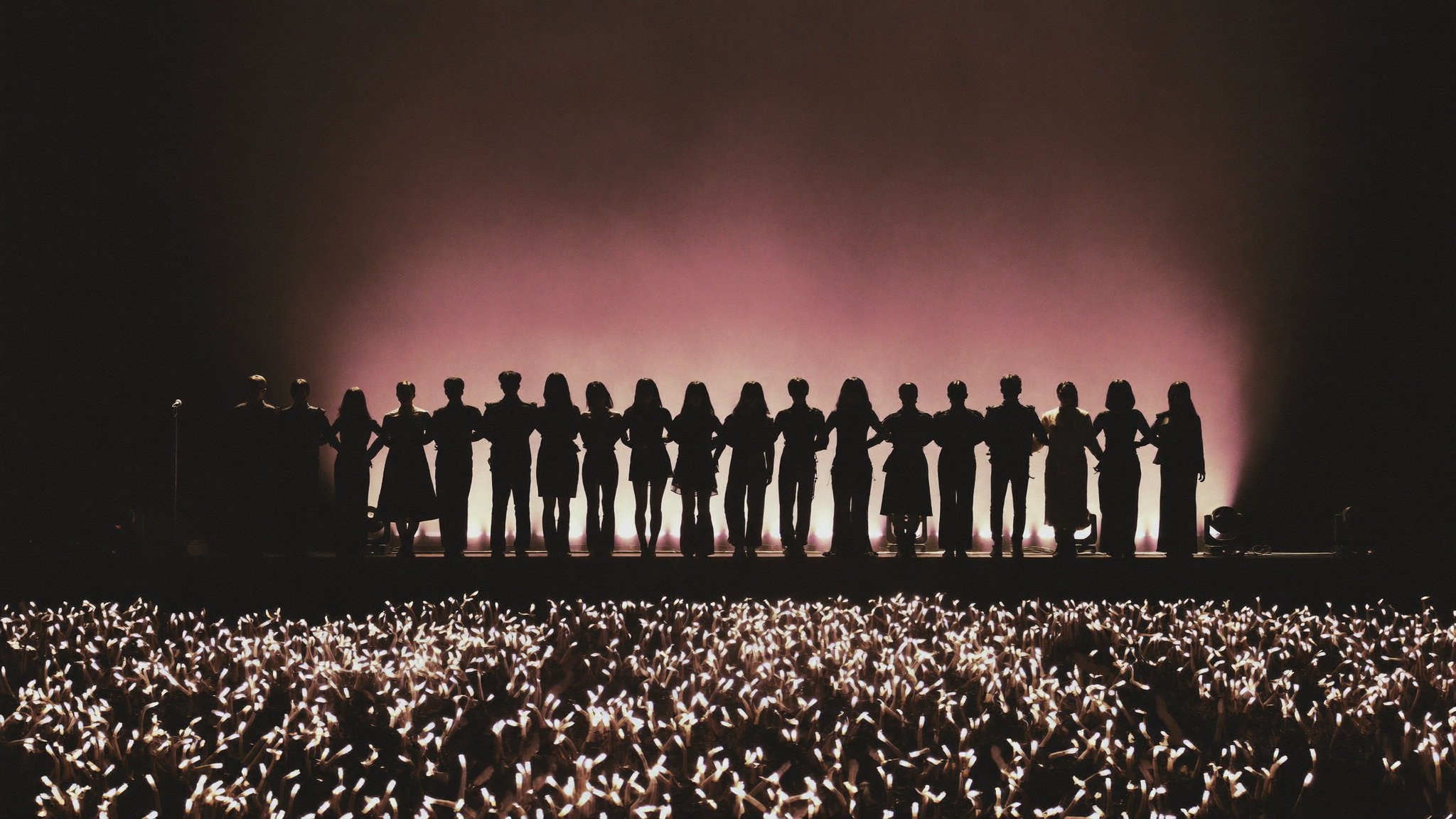
The SEVENTEEN Pledis contract renewal is the K-pop story dominating Korean entertainment news this week. On July 13, 2026, Pledis Entertainment confirmed that all 13 members of SEVENTEEN have agreed to re-sign with the agency for a second time, making them the first thirteen-member K-pop act ever to renew as a complete unit twice. In an industry where contract-renewal season usually means anxious fan speculation about who might leave, SEVENTEEN’s announcement landed as a rare, unambiguous win. Here’s why it matters and what it reveals about how loyalty works in Korea’s idol economy.
Table of Contents
- What’s Happening in Korea Right Now?
- The Background: Why Did This Start?
- What Are Koreans Actually Saying?
- What This Reveals About Korean Culture
- How Does This Compare Internationally?
- Conclusion
What’s Happening in Korea Right Now?
According to The Korea Times, Pledis Entertainment announced on July 13 that SEVENTEEN will continue as a full 13-member group, with all members not currently serving mandatory military duty having already completed the signing, and those enlisted set to sign sequentially as their service schedules allow. The group said in a statement: “With the belief that there’s nothing we can’t do if we’re together, and the consensus that we want to go further as a team, all 13 of us decided to stick together.” This marks the group’s second contract renewal since debuting in 2015, following an earlier renewal in 2021 — and outlets note it is the first time any 13-member K-pop group has re-signed as a complete lineup on two separate occasions.
The Background: Why Did This Start?
SEVENTEEN debuted in May 2015 under Pledis Entertainment with an unusually large 13-member lineup organized into three sub-units: a hip-hop team, a vocal team and a performance team, each contributing to the group’s self-produced music and choreography. That self-produced identity, similar in spirit to newer acts like CORTIS, became central to SEVENTEEN’s appeal and to the loyalty between members and agency. Standard K-pop contracts in Korea run up to seven years under the so-called “seven-year rule” set by the Fair Trade Commission to prevent excessively long deals; SEVENTEEN’s first renewal in 2021 already defied industry norms by keeping all members together, and several are now serving mandatory military service, a rite of passage nearly all South Korean men complete by their early 30s. Choosing to re-sign now, mid-service for some members, signals long-term commitment on both sides rather than a decision made under pressure to fill a promotional cycle.

What Are Koreans Actually Saying?
Korean fan communities and portals have reacted with visible relief and pride rather than the usual pre-renewal anxiety. Comment sections describe the news as proof that “loyalty still exists in K-pop,” a pointed contrast to a string of recent high-profile disbandments and partial departures at other agencies that have made contract-renewal season an annually stressful ritual for fandoms. Some commentary also frames it as a business story as much as an emotional one: entertainment reporters note that SEVENTEEN’s self-produced model gives members more creative and financial stake in the group’s success than a typical idol contract, which analysts say makes staying together a more rational choice, not just a sentimental one. There is a smaller thread of skepticism questioning whether contract terms were disclosed enough for fans to know whether this is a true win for members, but it is a minority view in an otherwise celebratory news cycle.
What This Reveals About Korean Culture
SEVENTEEN’s renewal taps into a value Koreans call “uri,” a sense of shared belonging and collective identity, which resonates deeply in a fandom culture built on the idea of growing up alongside a group over many years. It also reflects a broader tension in Korea’s idol industry between agencies as businesses and idols as long-term creative partners: as self-produced groups gain leverage, contract negotiations increasingly resemble partnership agreements rather than one-sided employment deals. The fact that this news broke the same week South Korea reported record ICT exports and a nationwide heavy-rain warning shows how central K-pop loyalty stories are to the daily news cycle — entertainment coverage in Korea sits shoulder to shoulder with economic and weather bulletins, not sequestered as a niche interest.
How Does This Compare Internationally?
Globally, band longevity stories tend to celebrate reunions after breakups more than they celebrate groups that simply never split — think of how much attention Western acts get for reuniting after years apart. SEVENTEEN’s approach instead mirrors long-running bands who avoided lineup changes through mutual creative investment, closer to how some legacy rock bands operate than how most modern pop acts are structured. It’s also a case study in an industry-specific dynamic: South Korea’s Fair Trade Commission actively regulates idol contract length specifically because past agencies over-extended young performers, so a voluntary second renewal under those same rules is being read locally as evidence the system is working as intended. If you’re curious how fandom loyalty plays out on the ground, our K-pop tourism guide to Seoul covers where fans gather, and our piece on KARD’s disbandment shows the other side of this same industry.
Conclusion
The SEVENTEEN Pledis contract renewal is a rare good-news story in an industry often defined by uncertainty, and it offers a window into how loyalty, self-production and fandom culture reinforce each other in Korea’s idol economy. For visitors curious about the business side of K-pop, this is a good moment to look past the choreography and into the contracts that keep these groups together.
Want more Korea trend deep-dives? Follow Unboxing Korea for daily coverage of the stories shaping Korean pop culture, and check out our piece on CORTIS’s record-breaking chart run for more of this week’s biggest K-pop news.