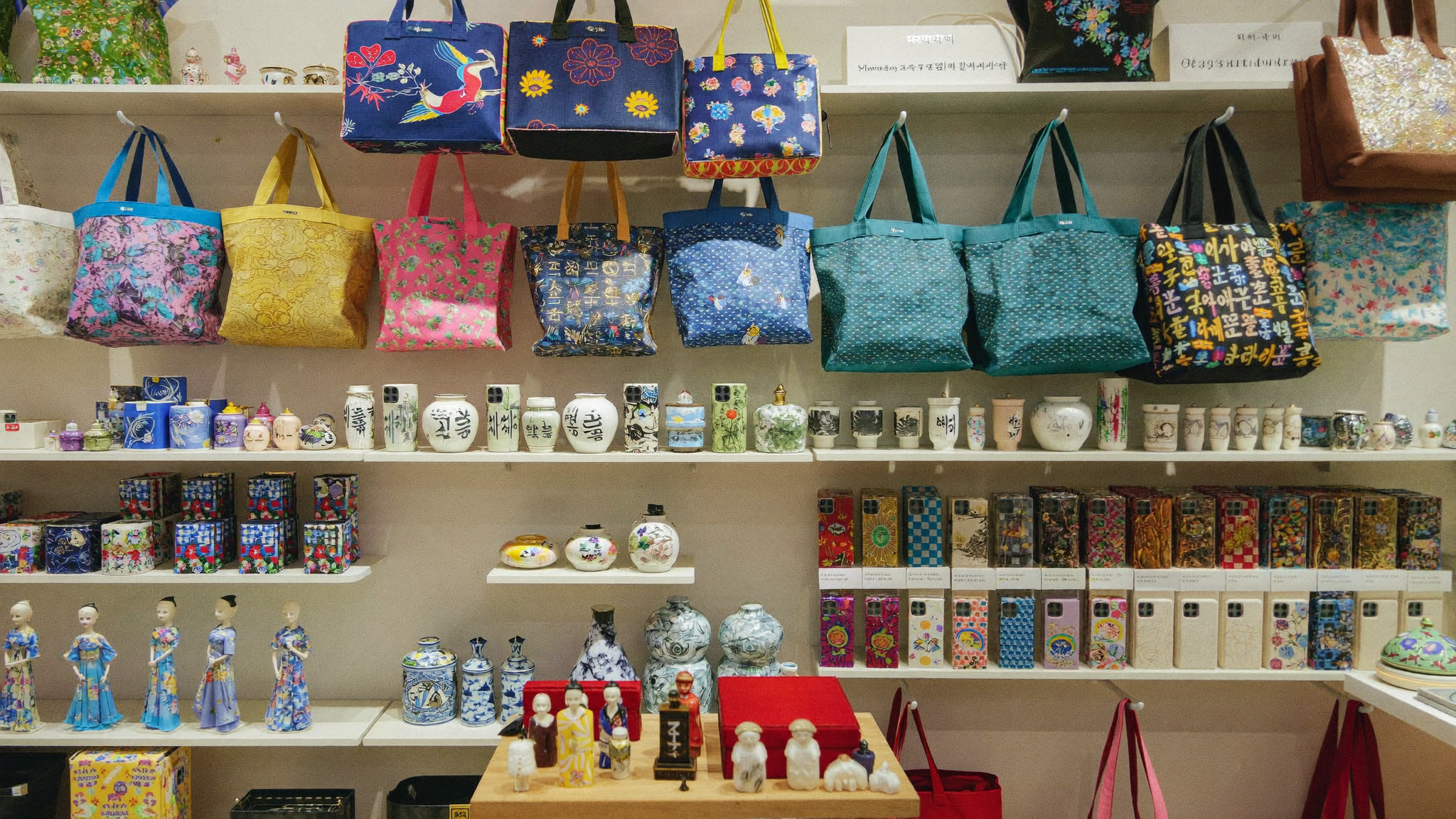
The K-Heritage goods boom is one of the more unexpected side effects of Netflix’s global hit “KPop Demon Hunters,” and it’s turning Korean palace culture into one of the country’s hottest shopping categories. The Korea Heritage Promotion Foundation’s cultural goods brand K-Heritage posted record annual sales of 16.1 billion won ($11 million) in 2025, up 35.5 percent from the year before, and industry watchers point to one clear catalyst: an animated Netflix film about a girl group that fights demons has made traditional Korean culture look genuinely cool to a global audience. Here’s how a K-pop cartoon turned palace souvenirs into must-have merchandise.
Table of Contents
- What’s Happening in Korea Right Now?
- The Background: Why Did This Start?
- What Are Koreans Actually Saying?
- What This Reveals About Korean Culture
- How Does This Compare Internationally?
- Conclusion
What’s Happening in Korea Right Now?
According to Korean outlets including the Korea Post and Asiae, the Korea Heritage Promotion Foundation’s K-Heritage brand posted its highest-ever annual sales in 2025 at roughly 16.1 billion won, crediting the worldwide popularity of “KPop Demon Hunters” as a key driver of the surge. The momentum has continued into 2026: limited-edition trading platform KREAM partnered with K-Heritage in April to release a “2026 Royal Culture Festival” collection, including an LED lightstick modeled on Gyeongbokgung Palace’s Gyeonghoeru Pavilion, tiger-motif whiskey glasses and coasters, safety keyrings patterned after the chimneys of Jagyeongjeon Hall, and removable stickers featuring folk-painting characters — all of which sold out during a limited window from April 24 to May 3.
The Background: Why Did This Start?
“KPop Demon Hunters,” the Netflix animated film about a K-pop girl group that moonlights as demon hunters, became a genuine global phenomenon after its 2025 release, and its aesthetic leans heavily on Korean folklore, traditional patterns and hanbok-inspired character design. That crossover between K-pop fantasy and genuine cultural heritage gave institutions like the National Museum of Korea and the Korea Heritage Promotion Foundation an opening they had been building toward for years: both organizations had already been developing heritage-themed merchandise brands, but the film gave the category a mainstream pop-culture hook. Character companies quickly followed, producing items like a cat character wearing a royal gonryongpo robe on a throne and mother-of-pearl-patterned cookies, blending traditional Korean crafts with the cute-character aesthetic that already dominates Korean retail. Our earlier coverage of the National Museum of Korea’s MU:DS merchandise boom traced the same underlying trend from the museum side; K-Heritage’s numbers show it isn’t limited to one institution.
What Are Koreans Actually Saying?
On Korean shopping forums and social feeds, the K-Heritage x KREAM collaboration sold out fast enough that resale listings appeared within hours, a pattern normally associated with sneaker or K-pop merchandise drops rather than museum-branded coasters. Commentary trends in two directions: younger buyers frame owning heritage-inspired goods as a stylish, shareable way to signal cultural pride, especially after seeing global audiences embrace “KPop Demon Hunters” imagery drawn from Korean tradition; more skeptical voices note that some of this is opportunistic branding riding a movie’s coattails rather than a deep cultural revival. Even the skeptics, however, tend to agree the trend has gotten more people — including foreign fans discovering Korean heritage through the film — to actually visit palaces and museum shops rather than just scroll past folklore online.
What This Reveals About Korean Culture
The K-Heritage boom captures something distinctive about how Korean pop culture and traditional culture now reinforce each other rather than competing for attention. A decade ago, hanbok and palace imagery were associated mainly with historical dramas or school field trips; today, the same visual language shows up in globally popular animation, resale-platform drops and character-goods collaborations aimed at Gen Z and international fans. It also reflects how quickly Korean institutions can capitalize on a cultural moment — a state-run heritage foundation partnering with a streetwear resale platform within months of a Netflix release shows an unusually fast, market-savvy response for a public cultural body. That speed and willingness to blend “official” heritage branding with pop culture is very much a Korean specialty.
How Does This Compare Internationally?
Globally, museums and cultural institutions have long tried to modernize their merchandise — think of the Louvre’s design collaborations or the British Museum’s gift shop lines — but few have had a single piece of pop-culture media do as much heaving lifting as “KPop Demon Hunters” has done for Korean heritage goods. It’s closer to how a hit film or game can suddenly revive interest in a real-world location or tradition, similar to tourism spikes following popular movies, except here the effect is landing directly on official cultural-heritage merchandise rather than just travel bookings. If you want to see where this crossover between pop culture and tradition plays out on the ground, our guide to K-pop tourism in Seoul and our piece on CORTIS’s record-breaking chart run cover the pop-culture side of the same story.
Conclusion
The K-Heritage goods boom is a reminder that Korea’s traditional culture isn’t a static museum piece — it’s an active ingredient in whatever pop-culture wave is happening right now, from K-pop charts to Netflix animation. For visitors, it means palace gift shops and heritage collaborations are quietly becoming some of the most interesting souvenir hunting in Seoul.
Planning a Seoul trip? Follow Unboxing Korea for daily coverage of the trends shaping Korean culture, and check out our National Museum merch guide for more heritage shopping tips.