Korean television has a new obsession, and it isn’t a love triangle or a corporate takeover — it’s ghosts. Netflix’s Korea K-occult drama wave is hitting a new peak this week as “The East Palace,” a big-budget supernatural fantasy starring Nam Joo-hyuk, premieres on July 17, 2026, part of a wider surge of shamanism-inflected horror and fantasy dominating Korean screens right now. Here’s why Korea can’t stop making — and watching — occult dramas.
Table of Contents
- What’s Happening in Korea Right Now?
- The Background: Why Did This Start?
- What Are Koreans Actually Saying?
- What This Reveals About Korean Culture
- How Does This Compare Internationally?
- Conclusion
What’s Happening in Korea Right Now?
“The East Palace” is Netflix’s latest bet on what industry watchers are calling Korea’s K-occult drama wave, and it’s arriving with serious star power. Directed by Choi Jung-kyu and starring Nam Joo-hyuk, Roh Yoon-seo, and Cho Seung-woo, the eight-episode period series follows Gu-cheon (Nam Joo-hyuk), a man who can cross into the world of the dead, and Saeng-gang (Roh Yoon-seo), a court lady who can hear the voices of spirits, as a mysterious king (Cho Seung-woo) secretly recruits them to investigate unnerving, long-buried mysteries haunting a cursed royal palace, according to The Korea Times.
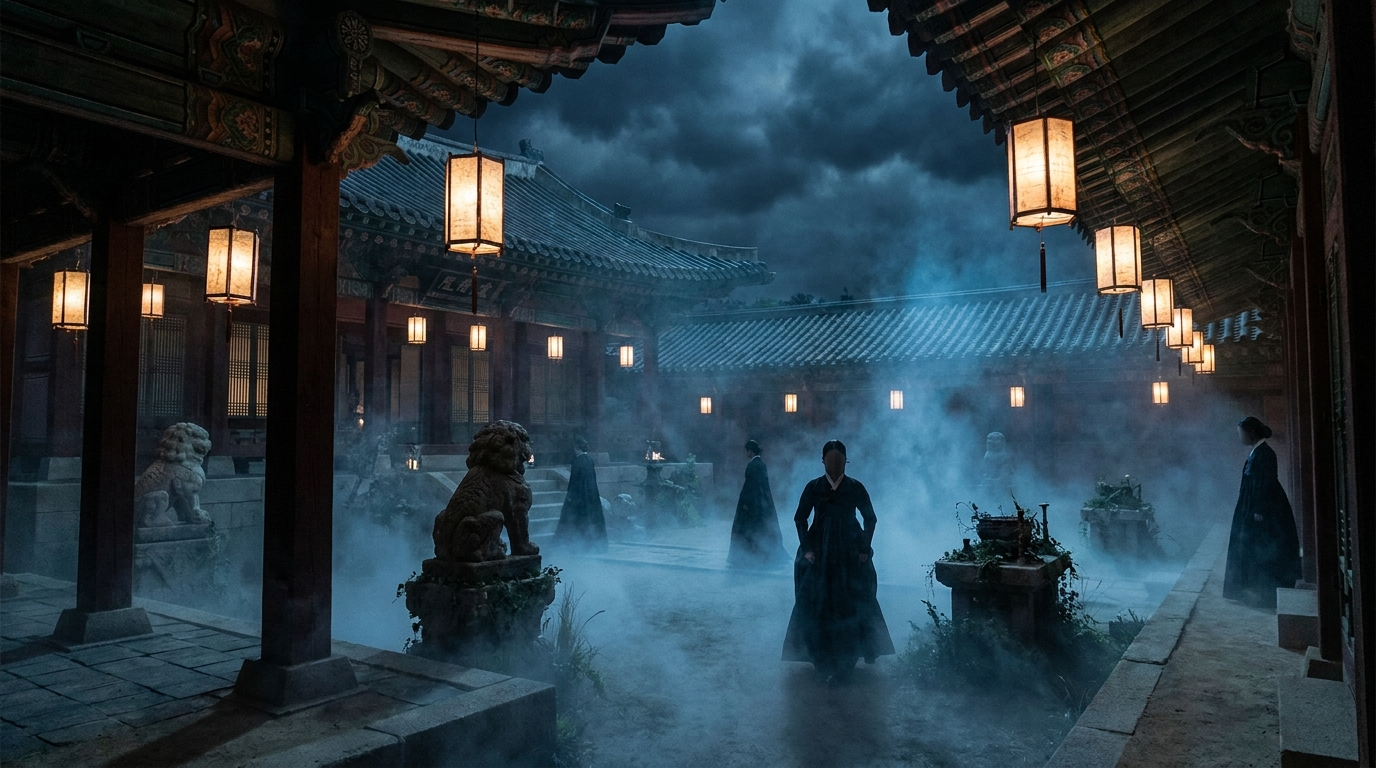
It isn’t arriving alone. “The East Palace” premieres in the same July window as “Spooky in Love,” a supernatural romance starring Park Eun Bin about a chaebol heiress who can see spirits, and “Agent Kim Reactivated,” an action thriller that’s already sitting near the top of Netflix’s Global Top 10. Korean streaming platforms are, in short, mid-binge on ghosts, shamans, and the spirit world all at once.
The Background: Why Did This Start?
Korean pop culture has quietly been building toward this moment for years. Shows like “Bulgasal: Immortal Souls” and “The Guest” — both written by “The East Palace” writing team of Kwon So-ra and Seo Jea-won — helped normalize Korean shamanism, exorcism, and folk-horror elements as mainstream drama material rather than niche genre fare. Korean shamanism (musok), with its mudang (shamans), ancestral spirits, and rituals for the restless dead, is a genuinely old and still-practiced belief system in Korea, which gives these stories a texture of cultural authenticity that pure horror-movie ghosts often lack.
Netflix, meanwhile, has been actively hunting for its next global K-drama breakout following the runaway success of earlier Korean supernatural and thriller hits. Occult and shamanism-themed stories offer something distinct from the medical dramas, workplace romances, and revenge thrillers that have dominated past K-drama exports — a genre angle that’s culturally specific to Korea but universally spooky enough to travel well internationally.
What Are Koreans Actually Saying?
Anticipation for “The East Palace” has been building steadily since it was announced, with entertainment outlets like allkpop covering cast interviews in detail. Much of the online conversation centers on Nam Joo-hyuk’s return to a genre-heavy leading role and curiosity about how a period palace setting will blend with modern supernatural horror pacing.
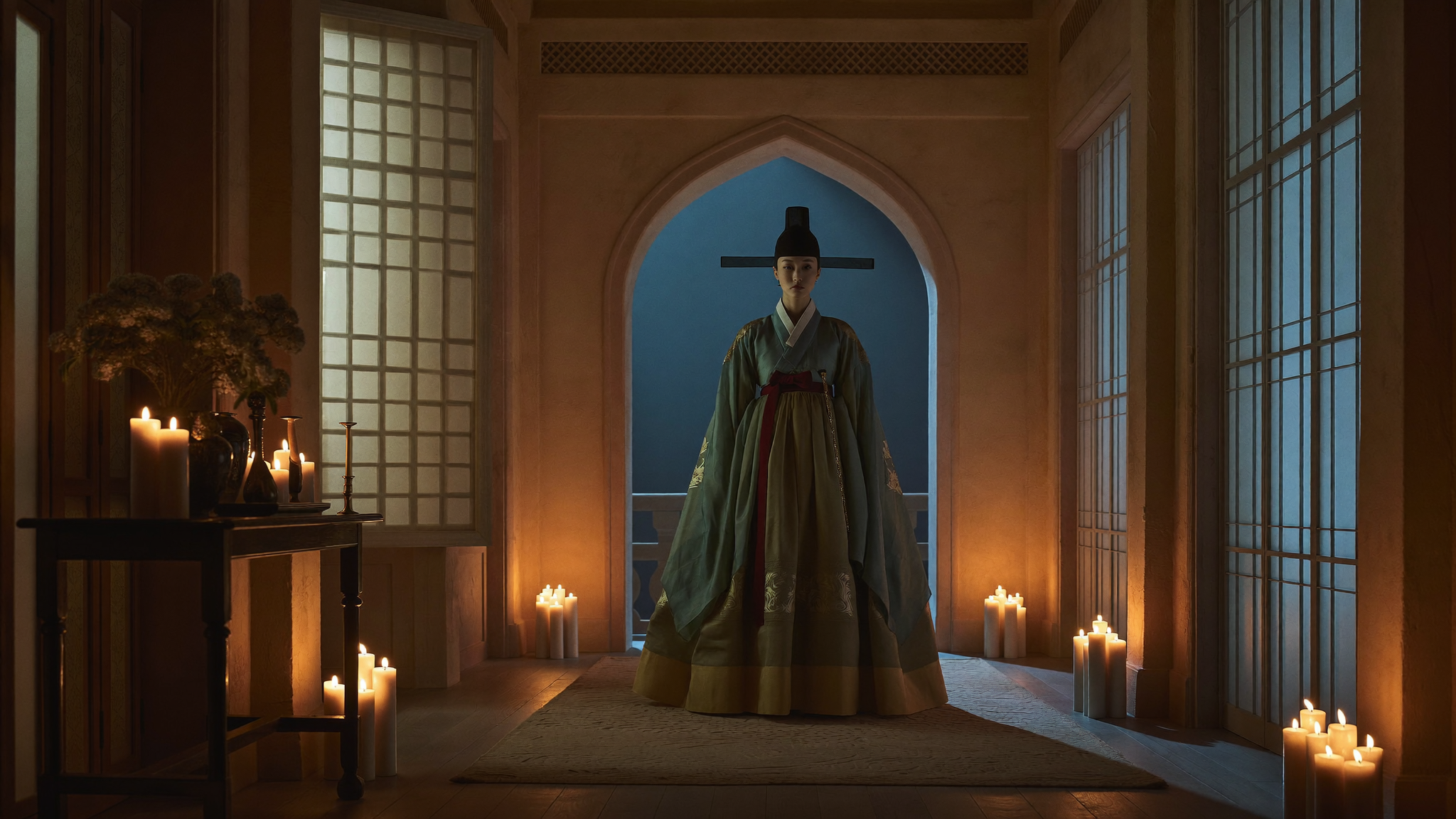
There’s also a recurring theme of genre fatigue mixed with genuine excitement: some viewers note that Korea has released an unusually high number of shamanism and ghost-themed titles in quick succession this year, while others argue the genre still has room to grow precisely because each new entry finds a different angle — workplace exorcists, royal court hauntings, romantic ghost-seers — rather than repeating the same formula.
What This Reveals About Korean Culture
Korea’s K-occult boom says something real about how the country relates to its own folk religious history. Shamanism was actively suppressed during periods of Korea’s modernization as backward or superstitious, yet it never disappeared — mudang still perform rituals (gut) for clients across the country today. Popular entertainment reclaiming shamanism as a source of prestige drama, rather than something to be embarrassed about, reflects a broader cultural confidence: Korea exporting its own spiritual folklore the same way it has exported food, fashion, and pop music.
It also reflects a Korean entertainment industry that treats genre hybridization as a competitive advantage. Blending period drama, horror, romance, and action within a single show — as “The East Palace” does with its palace-set ghost-detective premise — is a very Korean approach to storytelling, prioritizing emotional range and tonal shifts over strict genre purity.
How Does This Compare Internationally?
Ghost stories and supernatural horror are universal, but few countries have turned indigenous shamanic tradition into a globally exportable prestige-TV genre as deliberately as Korea has in the past few years. Japan has its own long horror tradition (yurei, onryo), but it’s mostly stayed within horror-specific franchises rather than crossing into mainstream romance and political drama the way Korea’s occult wave has. Korea’s approach — folding shamanism into royal court intrigue, workplace comedy, and teen romance alike — has made the genre far more format-flexible, which is likely part of why Netflix keeps betting on it as a growth category.
Conclusion
Whether “The East Palace” becomes Netflix’s next global hit or simply the latest entry in an already crowded field, Korea’s K-occult wave shows no sign of slowing in 2026. If you’re new to the genre, it’s a genuinely fascinating entry point into Korean folk religion and history dressed up as prestige television.
For more on Korean entertainment and culture trends, check out our coverage of K-pop dating rumor culture, the Korean film industry’s biggest 2026 gamble, or browse our Video Reviews section for more Korea-focused entertainment guides.