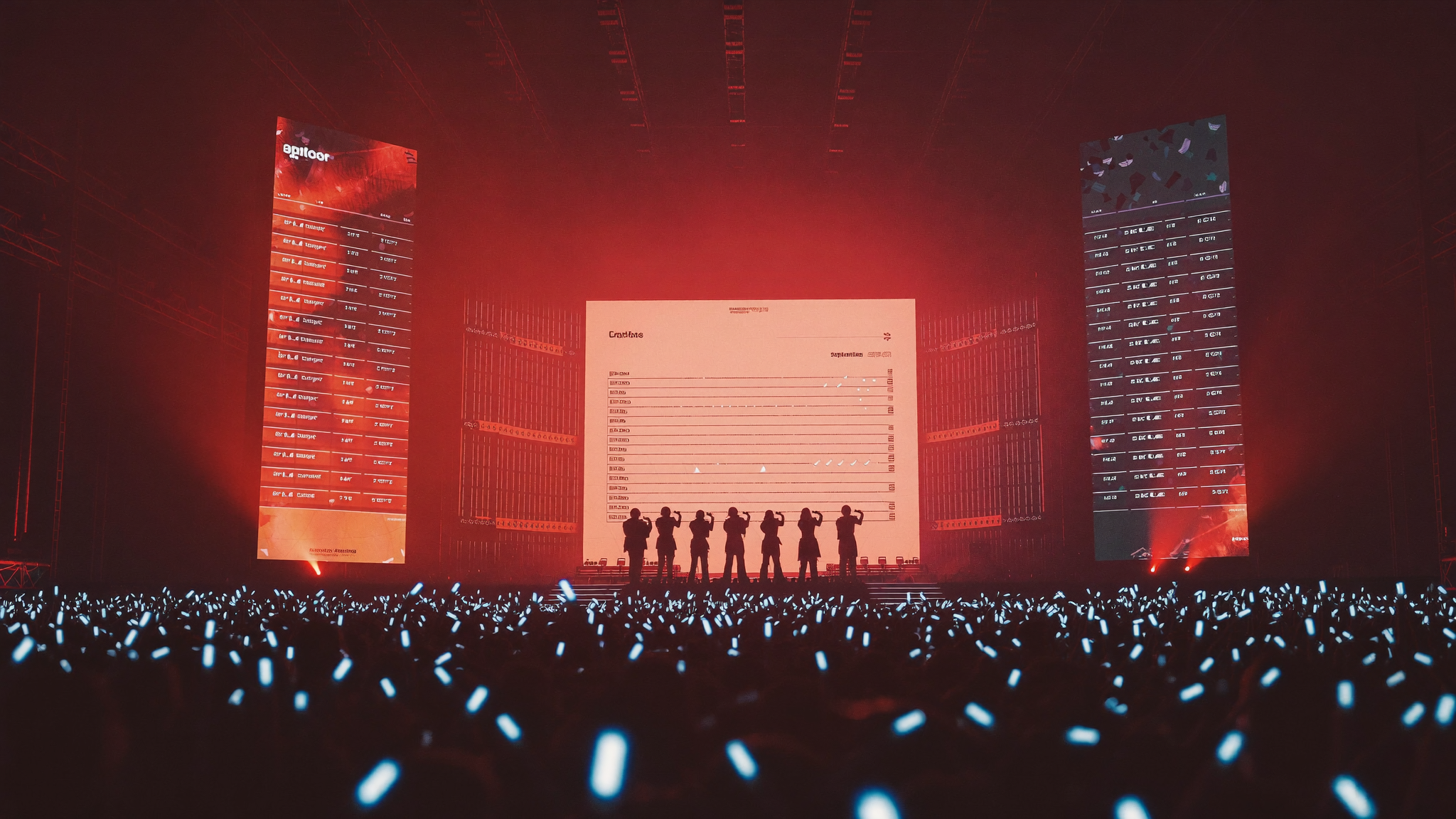
The CORTIS REDRED chart record is the story every K-pop fan is talking about this week. On July 12, 2026, “REDRED” — the title track from BigHit Music rookie group CORTIS’s second EP “GreenGreen” — topped Spotify’s Daily Top Song Korea chart for the 70th time, breaking a record that had stood for three years and four months. What makes it stranger, and more delightful, is that CORTIS hasn’t even celebrated its first anniversary yet. Here’s why a five-member rookie act is now the biggest chart story in Korea, and what it says about where K-pop is heading in 2026.
Table of Contents
- What’s Happening in Korea Right Now?
- The Background: Why Did This Start?
- What Are Koreans Actually Saying?
- What This Reveals About Korean Culture
- How Does This Compare Internationally?
- Conclusion
What’s Happening in Korea Right Now?
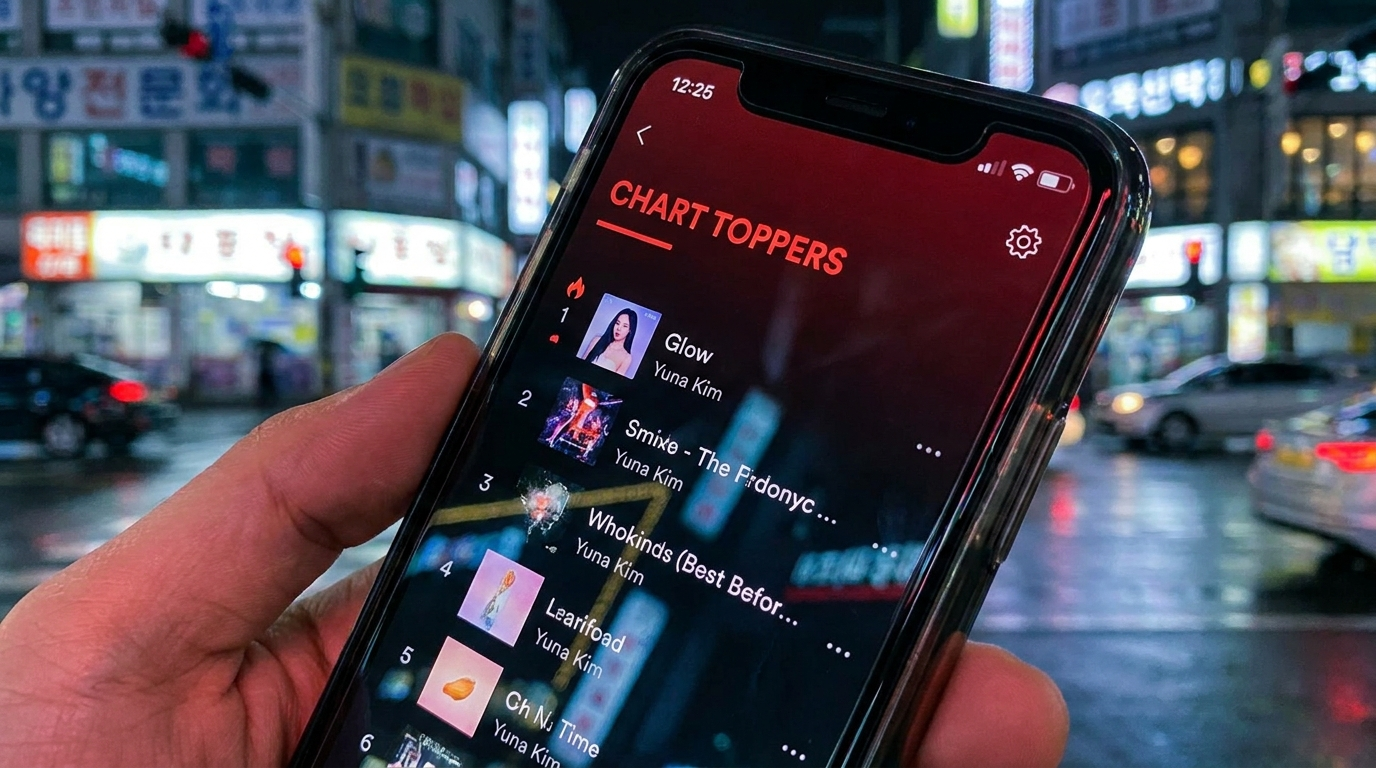
According to The Korea Times, “REDRED” first reached No. 1 on Spotify’s Daily Top Song Korea chart on April 27, broke the record for a boy-group song at its 50th day on top (June 20), and kept climbing to a historic 70th day at No. 1 on July 12 — the longest run for any K-pop group song in the chart’s history. The song has also logged 11 straight weeks atop Spotify’s Weekly Top Songs Korea chart, the longest run there by any K-pop group song, and it has held the No. 1 spot on Apple Music Korea for 73 consecutive days. For a group not even a year old, that is an almost unheard-of streak.
The Background: Why Did This Start?
CORTIS debuted on August 18, 2025 under BigHit Music, the HYBE label behind BTS. The five members — Martin, James, Juhoon, Seonghyeon and Keonho — were introduced not as a typical idol group but as a “next-generation creator crew,” co-writing, co-producing, and helping choreograph and direct their own music videos. Their name comes from six irregular letters hidden in the phrase “COLOR OUTSIDE THE LINES,” a mission statement about creative independence that Korean fans immediately latched onto. The group is genuinely international: Martin is Korean Canadian, James is from Hong Kong, and Juhoon, Seonghyeon and Keonho are Korean. By the end of 2025 they had already won Rookie of the Year and Best Performance at the Asia Artist Awards and Best New Artist at the MAMA Awards — but “REDRED,” released as part of their second EP, is what turned early buzz into a sustained, chart-dominating phenomenon with more than 900 million cumulative Spotify streams across just 13 released songs.
What Are Koreans Actually Saying?
On Korean portals and X, the reaction has split along generational and fandom lines. Longtime K-pop watchers are stunned that a rookie broke a record held since a 2022-2023 hit, with many comments calling CORTIS “the group that came out of nowhere and never left the top.” Younger listeners, meanwhile, tend to frame the achievement around authenticity: because CORTIS members write and produce their own material, fans describe streaming “REDRED” as supporting artists rather than a manufactured product — a meaningful distinction in a fandom culture that increasingly prizes creative control. There is also good-natured skepticism from some older fans who note that streaming records reflect algorithm-savvy marketing and dedicated fan “streaming parties” as much as organic popularity, a debate that plays out under almost every chart-record headline in Korea.
What This Reveals About Korean Culture
The CORTIS story reflects a broader shift in how Korea’s idol industry defines success. A decade ago, chart dominance belonged almost exclusively to veteran groups with years of fan-base building behind them. Today, agencies are explicitly marketing rookies as auteurs — creators with a point of view — because Korean audiences, especially Gen Z, respond to perceived authenticity as much as polish. It also reflects Korea’s intensely data-driven pop culture: daily chart positions are covered like sports scores, with outlets like Korea Herald and allkpop publishing near-hourly milestone updates. That obsessive tracking turns every streak into a shared national event, which is part of why a five-member rookie act can dominate news cycles the same week as government economic data and weather alerts.
How Does This Compare Internationally?
Globally, the closest parallel is the way Western pop audiences rally around an artist’s “authentic” creative control — think of the conversation around artists who write and produce their own records versus those who don’t. CORTIS’s self-produced pitch taps the same instinct that made acts like Olivia Rodrigo or Billie Eilish resonate internationally as writer-producers, not just performers. It’s also a reminder that K-pop’s chart infrastructure — daily, granular, competitive — has no real Western equivalent; Billboard’s Hot 100 moves on a weekly cadence built from many data sources, while Korea’s Spotify and Apple Music daily charts turn every 24 hours into a fresh contest. If you want to see where this idol-creator culture is heading next, HYBE’s bet on CORTIS looks a lot like an experiment other agencies will copy.
Curious how Korea’s idol economy plays out beyond the charts? Our guide to K-pop tourism in Seoul covers the agency neighborhoods where groups like CORTIS train and film, and our look at K-pop dating rumor culture explains another side of how Korean fandom relates to its idols.
Conclusion
Whether or not “REDRED” keeps climbing, the CORTIS chart record has already rewritten expectations for what a rookie K-pop act can do in under a year — and it’s done so by selling creative authorship as much as choreography. For visitors curious about the industry behind these numbers, Seoul’s idol-training districts and fan culture are more accessible than ever.
Want more Korea trend deep-dives? Follow Unboxing Korea for daily coverage of the stories shaping Korean pop culture, and check out our BTS World Cup halftime show recap for more of 2026’s biggest K-pop moments.