If you’ve spent any time on Korean entertainment X (Twitter) or YouTube comment sections lately, you’ve probably noticed a pattern: a celebrity does something completely ordinary — eats a meal, folds their arms for five seconds, adjusts a face mask — and within hours it becomes a full-blown online scandal. Koreans have a word for this: eokkka (억까), short for eokjiro kkada (억지로 까다), meaning “forced” or “unreasonable” criticism. This eokkka celebrity criticism culture is one of the more puzzling aspects of Korean pop culture for outsiders, and it’s worth understanding if you’re curious about how fame really works in Korea.
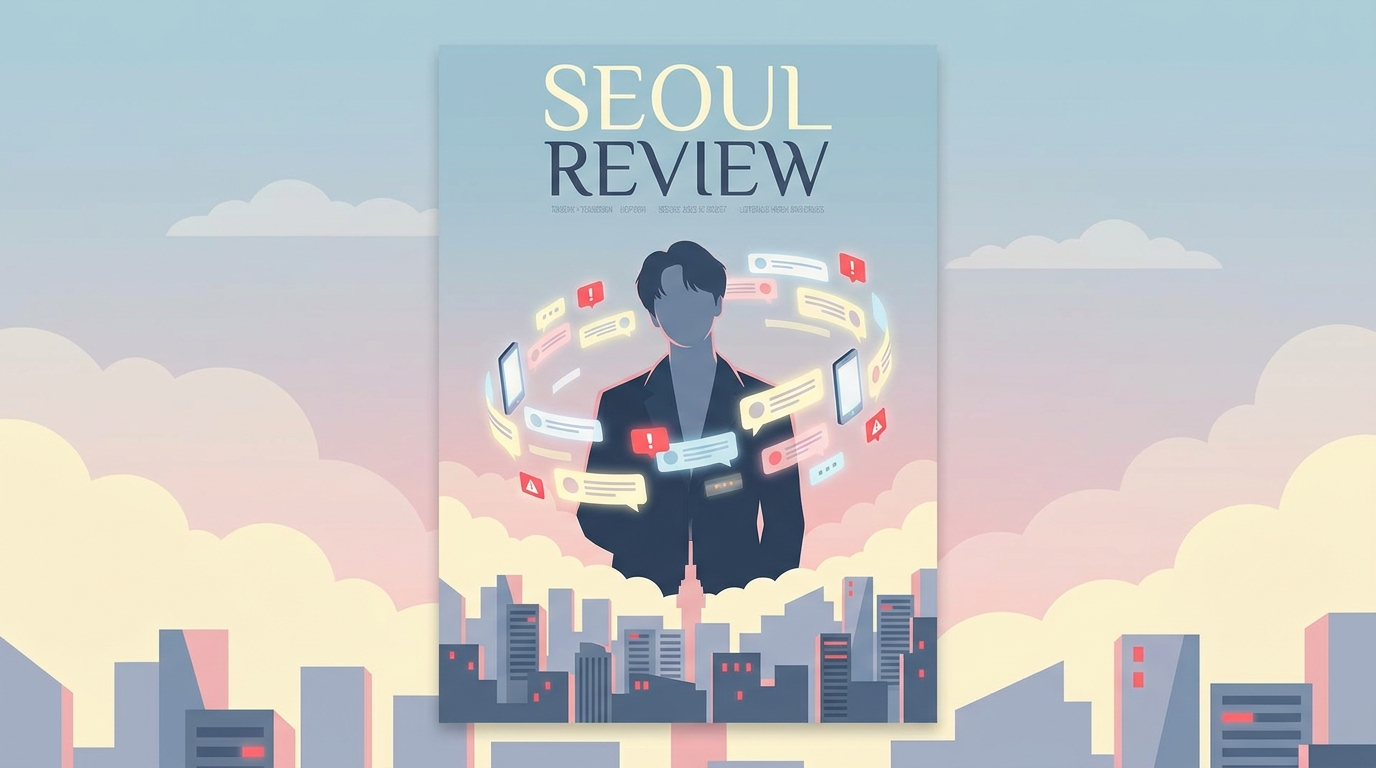
Table of Contents
- What’s Happening in Korea Right Now?
- The Background: Why Did Eokkka Start?
- What Are Koreans Actually Saying?
- What This Reveals About Korean Culture
- How Does This Compare Internationally?
- Conclusion
What’s Happening in Korea Right Now?
Two recent cases illustrate the eokkka celebrity criticism pattern perfectly. The first involves TV personality and broadcaster Kim Na-young, who — for the second time — was criticized online over a home-cooked meal she prepared for her two sons. Some viewers called the meal “insufficient” based on what appeared on camera. Defenders quickly pointed out that side dishes off-screen may simply not have been shown, that camera angles and composition can make a plate look emptier than it really is, and that parents are, obviously, the best judges of how much food their own children need. Still, the clip spread, and many commentators piled on before stepping back to note that the backlash felt excessive for something as mundane as a family dinner.
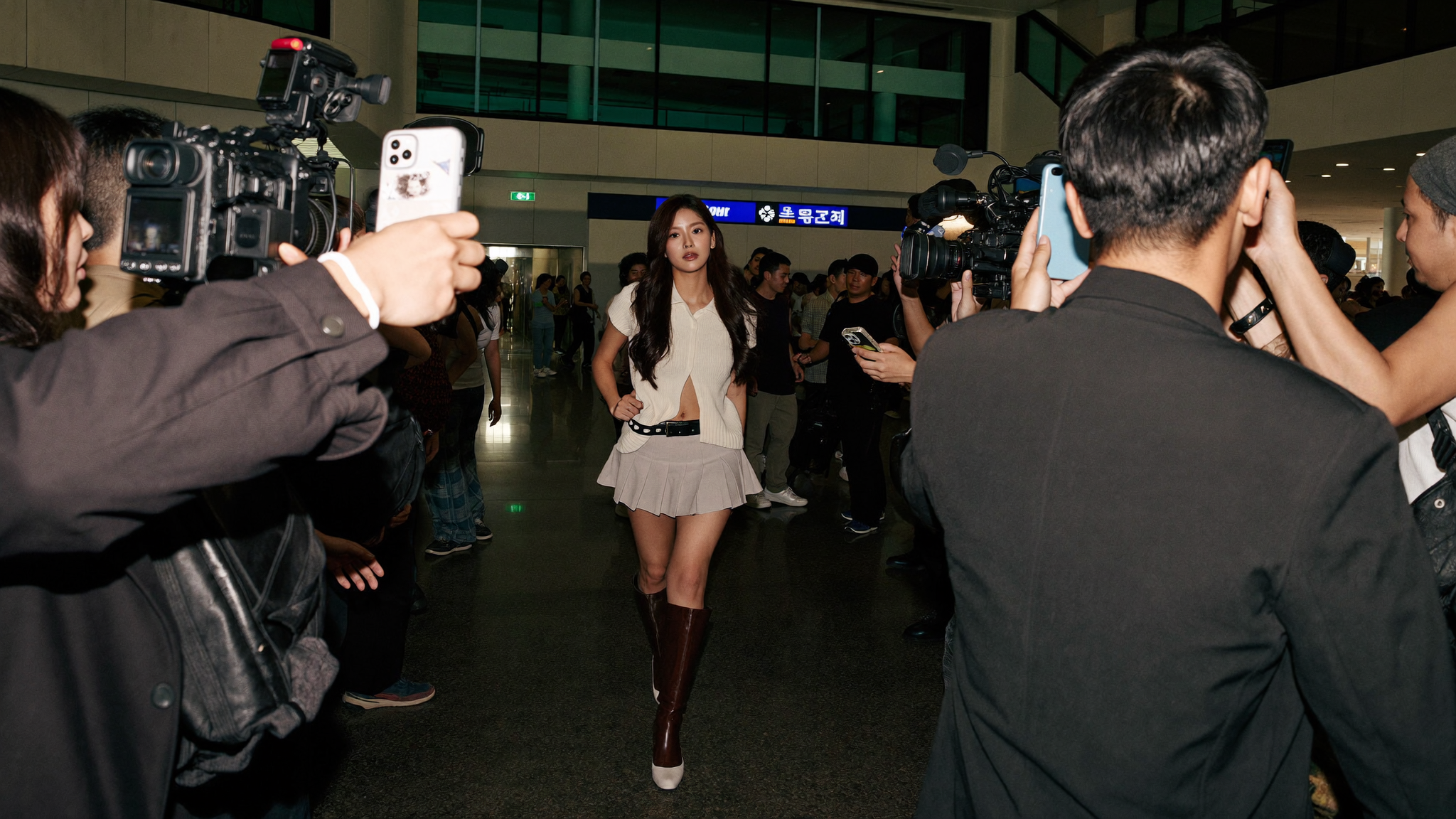
The second case involves IVE member Jang Won-young, who attended a brand pop-up event at a theme park. A roughly five-second clip showed her standing with her arms folded while staff explained the event to her. Within hours, some online users were calling this “rude” or a sign of “bad attitude.” Others pushed back immediately, arguing that five seconds of footage, stripped of context, tone, and conversation, is nowhere near enough information to judge someone’s demeanor. This kind of split reaction — instant outrage followed by an equally fast defense — is the signature rhythm of eokkka celebrity criticism culture in Korea.
There’s also earlier context worth knowing. Back in May 2026, Jang Won-young was filmed briefly lowering only her face mask (while keeping her cap on) during an ID check at Gimpo International Airport ahead of an overseas trip. That clip sparked a different kind of debate — less about her attitude and more about airport security procedure, and whether celebrities receive preferential treatment during identity checks. Taken together, these moments show how even neutral, procedural interactions can become fodder for public scrutiny when a famous face is involved.
The Background: Why Did Eokkka Start?
To understand eokkka, it helps to understand the broader pressure Korean celebrities live under. The Korean entertainment industry has long demanded an image of near-perfection from its stars — polished, disciplined, endlessly agreeable. Idols and actors are expected to model exemplary behavior at all times, in public and private, and that expectation leaves very little room for ordinary human mistakes, awkward moments, or simply having an off day. When the bar is set at “flawless,” almost anything can look like a violation.
Social media has intensified this dynamic enormously. A single blurry clip, filmed by a fan or a bystander, can be uploaded, clipped, captioned, and pushed to the top of a community board within minutes. Once a clip is framed as evidence of bad behavior, it takes on a life of its own — reposted, translated, and reacted to by audiences who never saw the full context. The scrutiny isn’t limited to trivial pop-up events or family dinners, either. Some of the harshest recent scandals in the Korean entertainment industry, such as those surrounding Kim Soo-hyun and Yoo Ah-in, have caused real production disruptions and costly cast changes, according to reporting by the South China Morning Post. That history has made the industry, and the public, hyper-alert to any celebrity misstep, however small — which is part of why moments as minor as a folded-arm gesture can escalate so quickly.
What Are Koreans Actually Saying?
Reactions to both the Kim Na-young and Jang Won-young cases split fairly evenly online, and the disagreement itself is instructive. One camp treats any perceived lapse — an unimpressive meal, a closed-off posture — as fair game for criticism, arguing that public figures should always present themselves carefully because of the influence and privilege they hold. The other camp, often larger in these specific cases, pushes back hard, using the term eokkka explicitly to call out what they see as manufactured outrage over nothing.
Commenters defending Kim Na-young pointed out that judging a parent’s cooking from a few camera frames ignores how home meals actually work — extra side dishes are frequently kept off-screen, and portion sizes are a parenting decision, not a public referendum. Commenters defending Jang Won-young made a similar argument about the folded-arms clip: five seconds cannot capture someone’s full tone, and reading “rudeness” into a static pose says more about the viewer’s assumptions than the celebrity’s actual behavior. What’s notable is how quickly “this is eokkka” has become a stock rebuttal — evidence that Korean audiences now have a shared vocabulary for pushing back against unfair pile-ons.
What This Reveals About Korean Culture
The existence of a specific word for “unreasonable criticism” tells you something important: Koreans are aware that their own celebrity criticism culture can tip into unfairness, and there’s a real, active pushback against it from within the culture itself. This isn’t a simple story of a uniquely harsh society — it’s a more complicated dynamic where intense scrutiny and intense defensiveness coexist and constantly negotiate with each other in real time, comment by comment.
It also reflects how central celebrities are to Korean public life. K-pop idols and television personalities are treated less like distant entertainers and more like public figures whose every gesture carries symbolic weight — which is exactly why a five-second clip or a home-cooked meal can become a referendum on someone’s character. The flip side of Korea’s globally admired entertainment industry, in other words, is a level of public attention so intense that ordinary human moments rarely stay ordinary for long.
How Does This Compare Internationally?
Korean eokkka culture has clear parallels elsewhere. Western “cancel culture” shares the instant-outrage, clip-first dynamic, and Japan has its own well-documented tradition of harsh celebrity bashing. But there’s a distinctive feature to the Korean pattern worth flagging for outside observers: eokkka specifically targets mundane, ambiguous, morally neutral moments — a meal, a gesture, a mask adjustment — rather than genuine ethical transgressions. Western cancel culture and even Japan’s celebrity-scrutiny norms tend to flare up around moral or ethical controversies; Korean eokkka often flares up around nothing in particular, which is precisely what makes the term, and the pushback against it, so necessary in the first place.
For a deeper dive into how this specific story unfolded, The Korea Times published a detailed piece on the phenomenon: “Why every celebrity moment becomes a scandal in Korea” (Korea Times, July 18, 2026). For broader ongoing coverage of the Korean entertainment industry, The Korea Herald is also a reliable general reference.
Conclusion: Curious About More of Korea’s Culture?
Eokkka is a small word that unlocks a much bigger conversation about fame, fairness, and public scrutiny in Korea. Whether it’s a folded-arm pose at a theme park pop-up or a plate of home-cooked food, the pattern is the same: intense attention, rapid judgment, and — just as often — an equally fast wave of Koreans pushing back and calling out the criticism as unreasonable. Understanding eokkka gives outsiders a much richer lens for following Korean celebrity news without taking every viral clip at face value.
If this kind of cultural deep-dive is your thing, there’s more where this came from. Check out our coverage of SEVENTEEN’s contract renewal with Pledis, the story behind CORTIS’s chart-topping record with “RED RED”, and the viral KANY Korean challenge sweeping TikTok for more on how Korean pop culture keeps finding new ways to go viral — for better and, sometimes, for eokkka-fueled worse.