When a Japanese tourist stumbled onto a street-side vending machine in Itaewon, Seoul, they expected to pay for a bottle of cold water. Instead, the screen read “Free of charge.” The moment they posted about it went viral, racking up more than 5 million views in just two days — and it has become the latest example of Korea’s free water vending machines drawing global attention as a symbol of Korean-style public service.
Table of Contents
- What’s Happening in Korea Right Now?
- The Background: Why Did This Start?
- What Are Koreans Actually Saying?
- What This Reveals About Korean Culture
- How Does This Compare Internationally?
- Conclusion
What’s Happening in Korea Right Now?
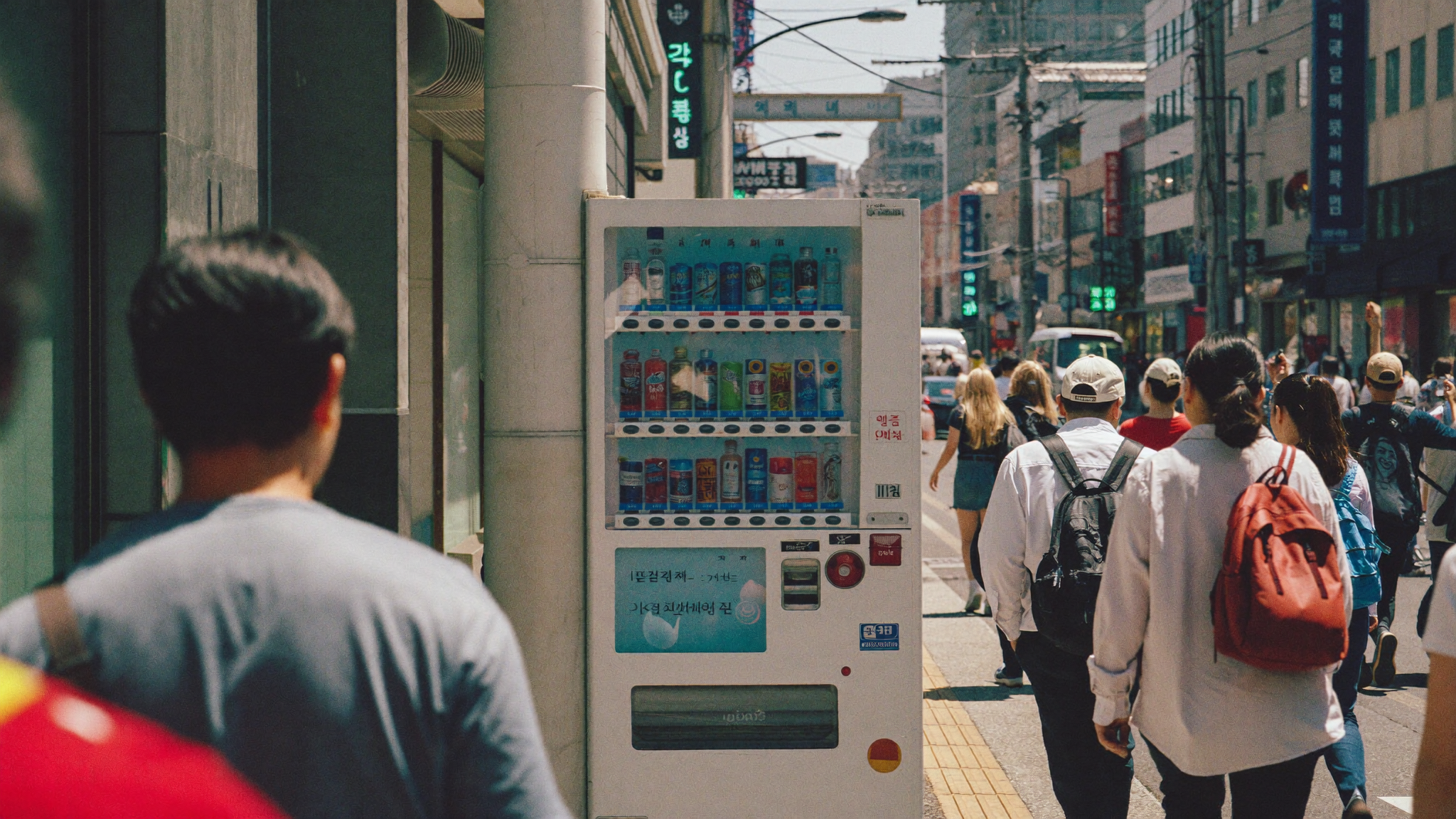
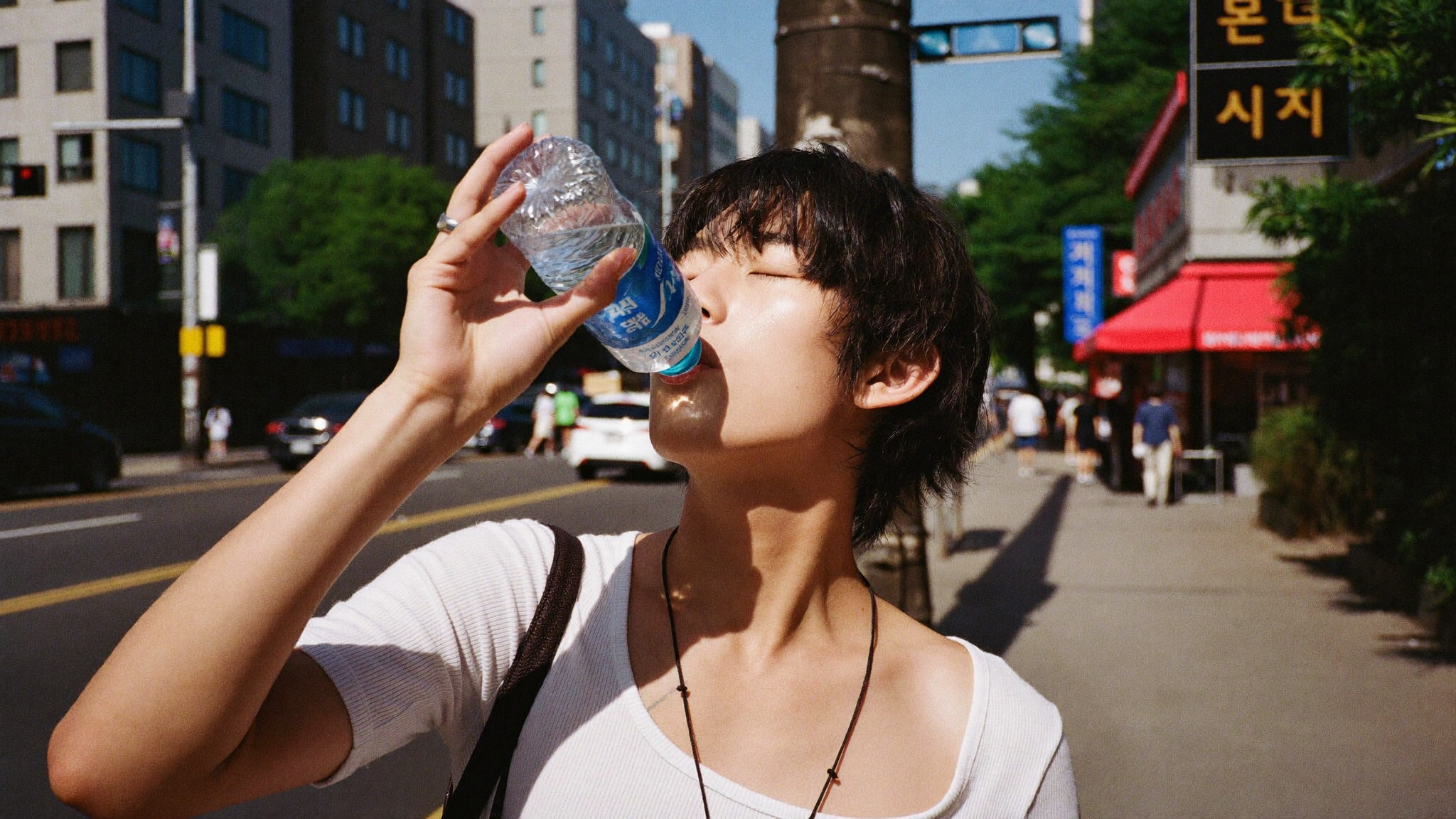
Seoul just entered its first heat wave advisory of the season in early July 2026, with the kind of humid, sticky heat that makes even a short walk between subway stations feel exhausting. Against that backdrop, a Japanese visitor exploring the Itaewon area came across a public free water vending machine and posted about the encounter on social media. According to the visitor, they were on the verge of dehydration in the heat, but felt they had “regained energy” after drinking the free cold water — and were genuinely surprised the machine’s screen displayed “Free of charge” rather than a price tag.
That single post exploded, gathering over 5 million views within two days, according to reports from the Korea Herald and the Seoul Economic Daily. Comment sections filled up with people asking the same question: does a city really just hand out free bottled water to anyone who’s thirsty? In Seoul, during heat wave season, the answer is yes.
The Background: Why Did This Start?
The machine that went viral is part of a program called “Yongsan-gu Saemteo” (용산구 샘터), operated by the Yongsan District Office, the local government that oversees the Itaewon neighborhood. “Saemteo” roughly translates to “spring” or “watering hole” in Korean, evoking the old-fashioned village well where anyone could stop and drink. The modern version is a solar-aware vending unit that dispenses a free bottle of cold water to prevent heat-related illness during Korea’s increasingly brutal summers.
The program isn’t brand new, but it is scaling up fast. It started with just 9 locations in 2025. In 2026, Yongsan District more than doubled that footprint to 19 sites, including high-traffic public spots like Noksapyeong Square, Kkumnamu Complex Town, and the Ichon 2-dong community service center. Screens on the machines display a simple notice: “Free of charge (one bottle per person).” Anyone — resident, commuter, or tourist — can use them, and the program runs until mid-October, covering the full stretch of Korea’s hot and humid season.
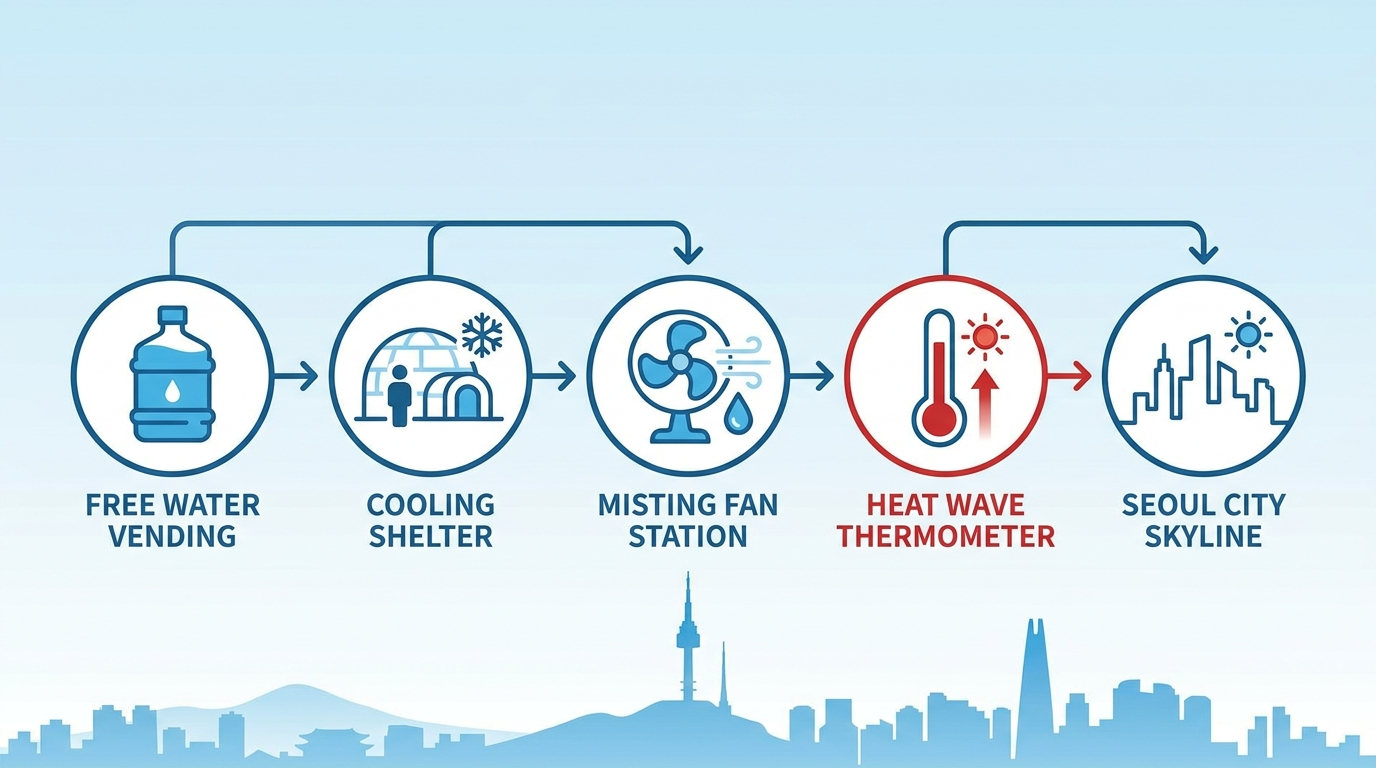
This isn’t an isolated initiative either. Seoul’s city government separately runs a project called “Oasis Seoul,” which provides free drinking water refills to anyone carrying a reusable tumbler at partnering cafes and public facilities, aiming to reduce both heat illness and single-use plastic waste. Earlier this year, Seoul’s Gwangjang Market also handed out 10,000 free water bottles to shoppers after a bout of price-gouging controversy. Free public water, in other words, has become something of a running theme in how Seoul is responding to hotter summers.
What Are Koreans Actually Saying?
Online, the reaction inside Korea has been a mix of pride and mild surprise that this was surprising to anyone. For many Seoul residents, the Saemteo machines are just part of the summer furniture — something you walk past without much thought unless you’re overheated. Seeing a foreign visitor’s post rack up millions of views has prompted a wave of “wait, is this actually unusual abroad?” comments from Korean social media users, alongside genuine warmth that a small piece of local infrastructure could make someone’s trip better.
There’s also a generational and civic-pride angle. Older residents tend to frame the machines as a natural extension of public health policy — heat-related illness is a real and rising problem in Korea, with emergency rooms seeing spikes in heatstroke cases every summer. Younger, more online users are more likely to talk about it in terms of “K-culture soft power”: another small proof point, alongside K-pop, K-dramas, and K-beauty, that Korea’s version of hospitality is something people notice and enjoy sharing about.
What This Reveals About Korean Culture
It’s worth asking why a free bottle of water became international news. Part of the answer is cultural. Korean public infrastructure tends to embed small, low-friction acts of care into everyday city life: free public restrooms that are widely available and generally clean, extensive free public WiFi, well-marked and safe subway systems, and now, hyperlocal cooling infrastructure during heat waves. None of these are flashy tourist attractions. They’re quiet, functional design choices that assume the public deserves convenience and protection by default, not as a premium add-on.
This connects to a broader Korean civic philosophy sometimes described as “minsaeng” (민생) — policy and infrastructure oriented around ordinary people’s daily wellbeing. A free water machine is a small, unglamorous expression of that idea: local government treating heatstroke prevention as a basic public service rather than something individuals should have to solve on their own by buying a $2 bottle of water. For visitors from countries where public amenities are more commonly privatized or fee-based, that assumption can feel almost radical — which is exactly why a viral post about it resonates so widely.
How Does This Compare Internationally?
Free public water isn’t unique to Korea — cities like Beijing have installed free water vending machines in subway stations, and many European cities maintain public drinking fountains as a matter of civic tradition. What stands out about Korea’s approach is the density and localization of the effort: individual districts like Yongsan running their own branded, expanding programs, layered on top of city-wide efforts like Oasis Seoul, and market-level responses like Gwangjang Market’s bottle giveaway. It’s less one flagship program and more an entire layered system of small, overlapping public-service gestures.
That layered approach is part of why Korea’s public infrastructure so often surprises first-time visitors, whether it’s free water during a heat wave, ubiquitous free WiFi, or spotlessly maintained public restrooms in subway stations. Individually, each of these might seem minor. Collectively, they build the reputation Korea increasingly has online: a country where public infrastructure is designed to quietly take care of people, including complete strangers just passing through.
Conclusion
A free bottle of cold water in Itaewon isn’t going to solve climate change or Korea’s worsening heat waves. But it is a useful, human-scale window into how Korean public service actually works day to day — and why a viral post from a grateful tourist struck such a chord worldwide. If you’re planning a summer trip to Seoul, keep an eye out for the Yongsan-gu Saemteo machines and similar Oasis Seoul refill points around the city; they’re free, they’re everywhere during heat wave season, and they might just save your afternoon.
Want more on how to handle Seoul’s summer heat like a local? Check out our Seoul Summer Travel Guide and our guide to the Itaewon & Hannam-dong neighborhood for more tips on exploring the city comfortably, whatever the season.