Looking for the ultimate Sokcho travel guide? You have come to the right place. Sokcho is one of South Korea’s most underrated destinations — a coastal city in Gangwon Province that delivers dramatic granite mountains, fresh seafood straight from the East Sea, a fascinating refugee village, and one of Korea’s most-visited national parks, all within a 2.5-hour bus ride from Seoul. This comprehensive Sokcho travel guide covers the top things to do in Sokcho, how to reach Seoraksan National Park, the best local food experiences, insider tips, and everything you need for an unforgettable trip.
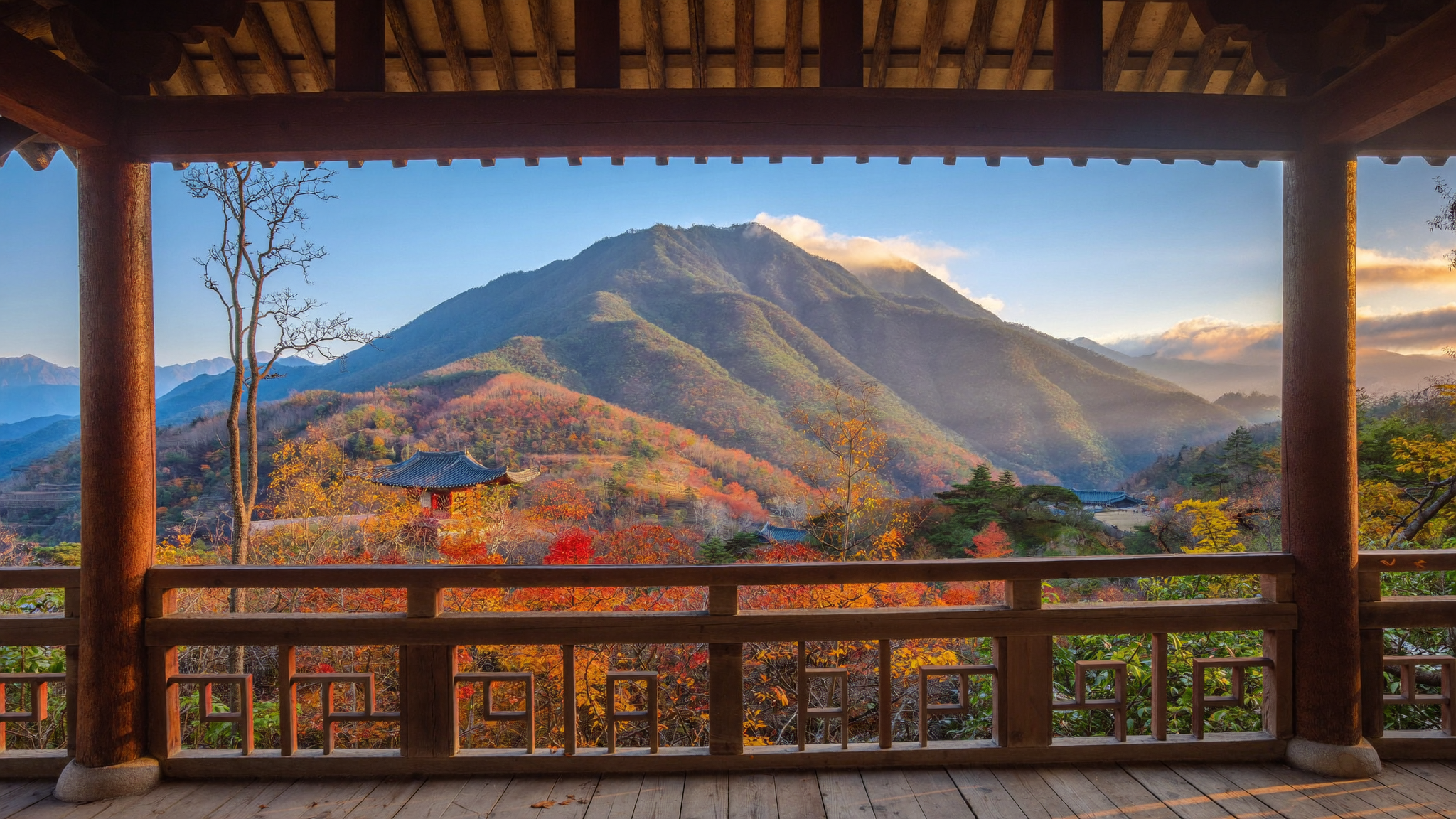
Table of Contents
- How to Get to Sokcho from Seoul
- 1. Seoraksan National Park — The Crown Jewel
- 2. Abai Village — Culture, History and Seafood
- 3. Sokcho Tourist Fish Market
- 4. Sokcho Beach and Sokcho Eye Ferris Wheel
- 5. Sunrise Park (Yeonggeumjeong)
- 6. Naksansa Temple
- 7. Cheoksan Hot Springs
- Best Time to Visit Sokcho
- Where to Stay in Sokcho
- Sokcho Travel Tips
How to Get to Sokcho from Seoul
Getting to Sokcho from Seoul is straightforward, though many first-time visitors don’t realize that there is no KTX train connection to Sokcho. The only practical option is the express bus, which takes approximately 2.5 to 3 hours depending on traffic. Two terminals in Seoul serve Sokcho: East Seoul Bus Terminal (Seoul Express Bus Terminal in Gangnam also has some services). Buses run frequently throughout the day, with the first departures as early as 6:00 AM and the last around 10:30 PM. A one-way ticket costs around ₩20,000–₩24,000.
Once in Sokcho, local buses (routes 7, 7-1, 9, and 9-1) connect the bus terminal to most major attractions including Seoraksan National Park and Sokcho Beach. A taxi ride from the bus terminal to Seoraksan gate costs around ₩10,000–₩14,000. If you plan to visit multiple spots in one day, renting a bicycle or using a combination of taxis and local buses is the most efficient approach. The city is compact enough that you can cover several attractions in a single day.
Before planning your full Korea itinerary, read our Korea travel tips for first-time visitors to understand Korean transit systems, T-money cards, and how to plan multi-city trips efficiently.
1. Seoraksan National Park — The Crown Jewel of the Sokcho Travel Guide
No Sokcho travel guide would be complete without dedicating significant space to Seoraksan National Park, consistently ranked among the most beautiful national parks in Asia. Designated a UNESCO Biosphere Reserve in 1982, Seoraksan covers over 400 square kilometers of rugged granite peaks, ancient forest, crystal-clear mountain streams, and dramatic gorges. The park entrance is just 8 kilometers from downtown Sokcho, making it one of Korea’s most accessible major parks.
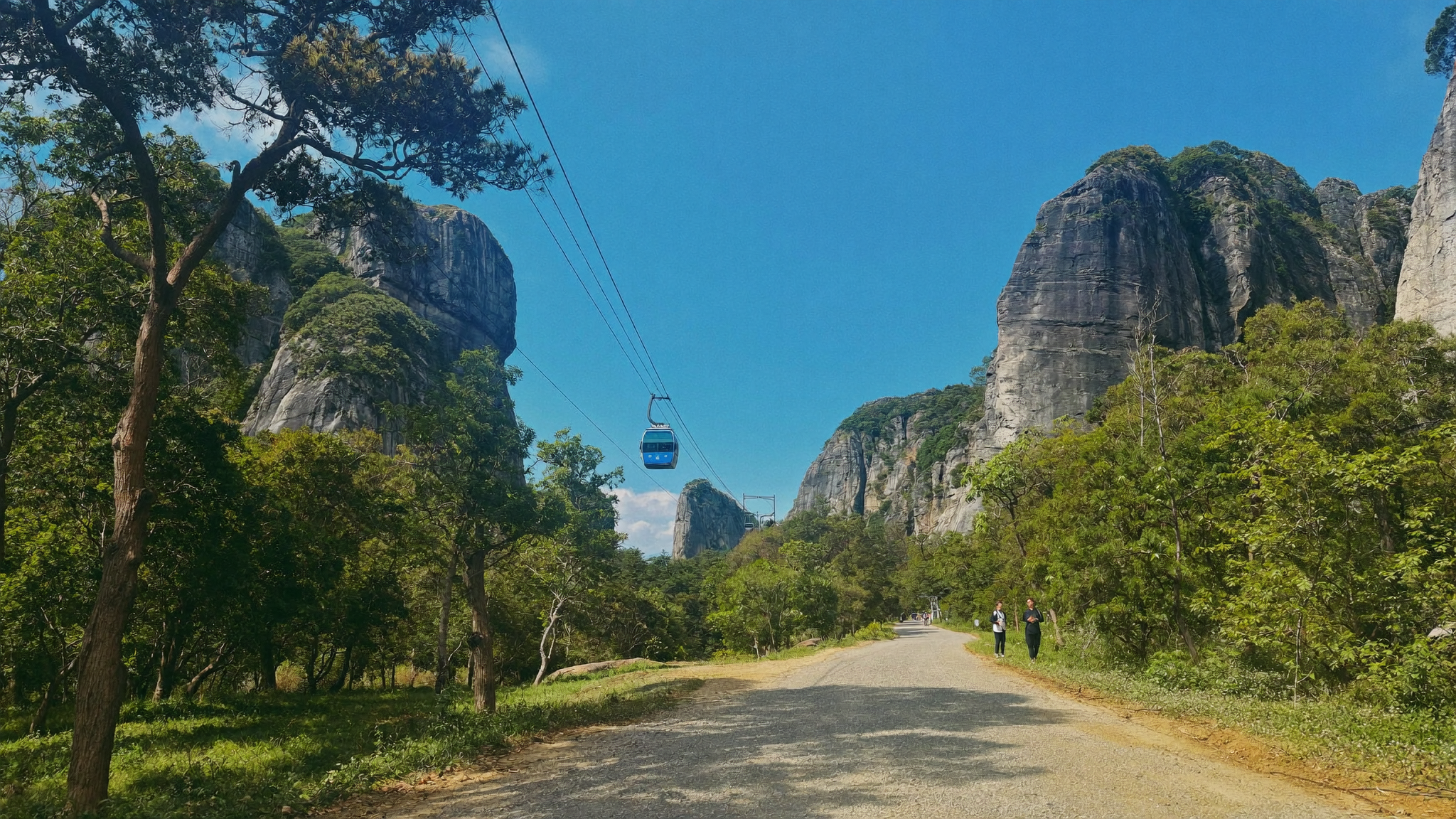
Seoraksan Cable Car (₩16,000 Round-Trip)
The easiest way to experience Seoraksan’s high-elevation scenery is the cable car, which runs from the park’s Sogongwon area to a plateau near Gwongeumseong Fortress. The round-trip fare is ₩16,000 for adults (₩13,000 for children). The cable car rises 894 meters above sea level in about 5 minutes, rewarding passengers with panoramic views of the surrounding peaks and valleys. At the top, you can explore the partially-restored stone walls of Gwongeumseong, a fortress built during the Goryeo Dynasty, and enjoy unobstructed views stretching to the East Sea on clear days. Lines can be long, especially on weekends and during autumn — arrive before 9:00 AM to minimize waiting time.
Ulsanbawi Rock Trail — 888 Steps to Heaven
The most iconic hiking destination in Seoraksan is Ulsanbawi Rock, a cluster of six enormous granite boulders that form a distinctive silhouette visible from across the park. The trail to Ulsanbawi is 3.8 kilometers one-way and involves ascending 888 metal stair steps near the summit. Allow 2 to 2.5 hours for the ascent and about 1.5 hours for the descent. The trail is rated moderate — the lower sections through forest are easy, but the final metal staircase section is steep and requires reasonable fitness. The reward at the top is extraordinary: 360-degree views of Seoraksan’s peaks with the East Sea glimmering in the distance. The trailhead is located near the Heundeulbawi Rock area inside the national park.
Biryong Falls — An Easy Waterfall Walk
For visitors who prefer a gentler option, the Biryong Falls trail is an excellent choice. The path is 2.4 kilometers one-way along a valley with a beautiful mountain stream, and the walk takes approximately 50 minutes each way. The waterfall itself drops about 15 meters into a granite pool surrounded by forest. This trail is suitable for all fitness levels including families with children, and the scenery along the stream is particularly lovely in spring when azaleas bloom and in autumn when the maple trees turn scarlet. The entrance fee to the national park is ₩3,500 per adult.
For more information on Seoraksan’s trails, facilities, and seasonal closures, check the official Seoraksan National Park website.
2. Abai Village — Culture, History and the Best Seafood in Sokcho
Abai Village is one of the most emotionally resonant places in all of Korea. Located on a sandbar separated from the main city by a narrow channel, it was established by North Korean refugees who fled south during the Korean War (1950–1953) and settled here hoping to return home soon — a return that never came. Today, their descendants continue to live in this tight-knit community, and the village has become a powerful symbol of Korea’s division and the human cost of the war.
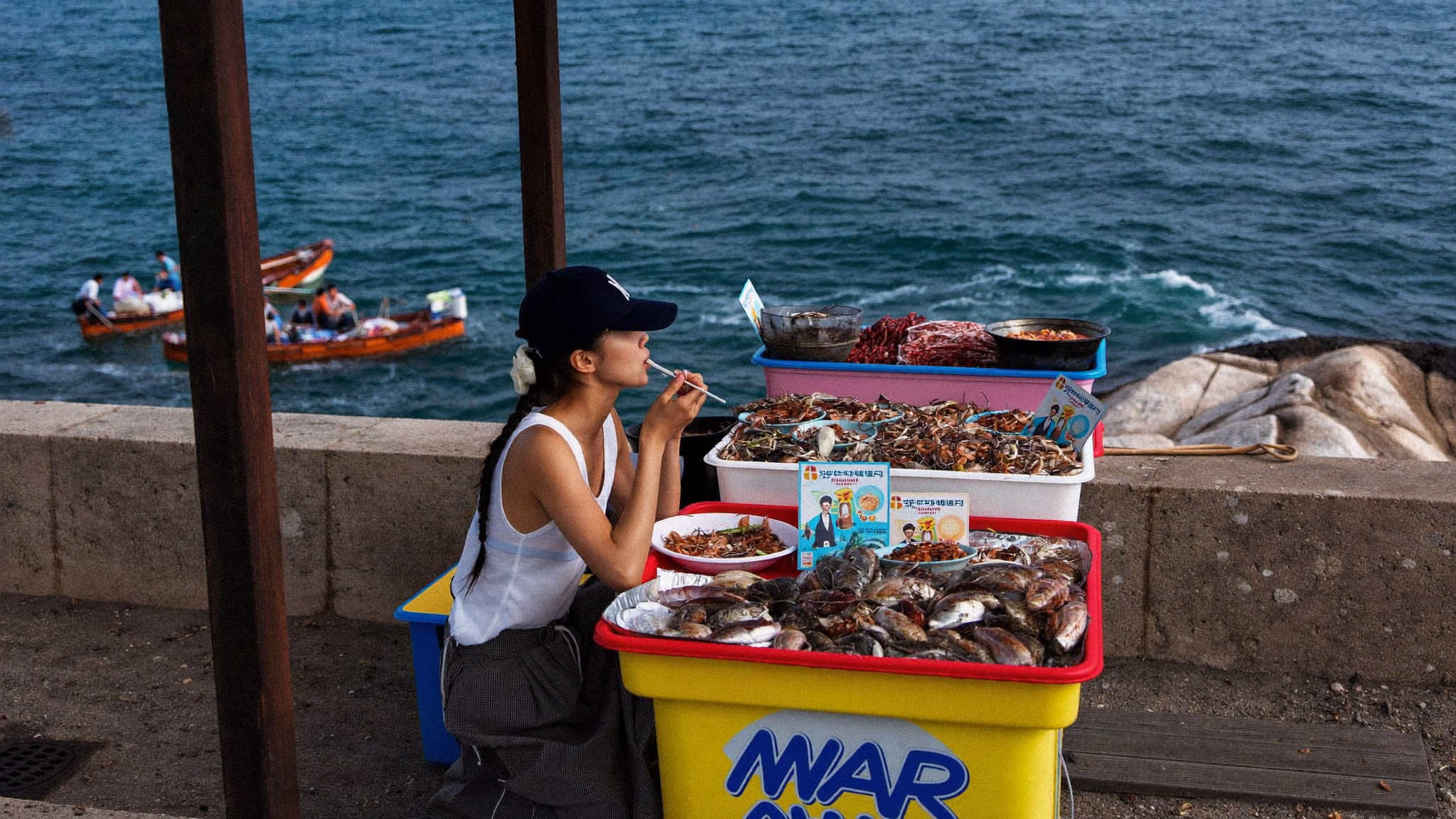
The Hand-Pulled Cable Ferry (₩500 Each Way)
To reach Abai Village, you cross the channel on a hand-pulled cable ferry — one of the last of its kind in Korea. The crossing costs just ₩500 each way and takes about 3 minutes. You pull the cable yourself or watch the ferryman do it; either way, it’s a charming and unique experience that feels entirely authentic. The ferry operates from approximately 6:00 AM to 10:00 PM. Alternatively, a small motorboat service and a pedestrian bridge also connect the village to the mainland.
Abai-Sundae and O징어 순대 — Must-Try Foods
The culinary highlight of Abai Village is Abai-sundae (아바이순대), a style of blood sausage stuffed with rice, glass noodles, and vegetables — a North Korean-style variation that differs from the standard Korean version. Just as famous is ojingeo sundae (squid sundae), where the filling is stuffed inside a whole cleaned squid rather than a sausage casing. Both are hearty, flavorful, and best enjoyed with a cup of doenjang jjigae (fermented soybean soup). The village is also known for grilled squid (구이 오징어), octopus dishes, and seafood pajeon (savory pancakes). Most restaurants in the village specialize in these North Korean-influenced dishes, and prices are very reasonable.
3. Sokcho Tourist Fish Market — 500+ Stalls of Fresh Seafood
The Sokcho Tourist Fish Market (속초관광수산시장) is one of the largest and most vibrant fish markets in eastern Korea, and visiting is a must on any Sokcho travel itinerary. Entry is free, and the market is open daily from 8:00 AM to 10:00 PM. Over 500 stalls sell live seafood, dried fish, salted fermented products, local snacks, and Korean street food. The market sits right on the water’s edge with views of Cheongchoho Lake, and the atmosphere — especially in the early morning when fishing boats unload their catch — is electric.
Highlights at the Sokcho Fish Market include: live king crab (수산왕 대게), raw abalone, fresh sea urchin (성게), salted pollack roe (명란젓), and the beloved dak-gangjeong (sweet-spicy fried chicken) sold by the handful of vendors near the market entrance. The most popular section for tourists is the Eo-ri-Hap restaurant area at the back, where you select your live seafood from a tank, have it cut and prepared, and enjoy it on the spot with rice and banchan. Expect to pay around ₩30,000–₩60,000 per person for a generous seafood meal with drinks.
4. Sokcho Beach and Sokcho Eye Ferris Wheel
Sokcho Beach (속초해수욕장) is the city’s main swimming beach, a 2-kilometer stretch of white sand facing the East Sea with exceptionally clear water. The beach is family-friendly, with calm conditions in summer (July–August) when it draws massive crowds. In the shoulder seasons of May and September, you’ll have the beach largely to yourself while the weather remains mild. The water temperature is comfortable for swimming between June and early September. Behind the beach, a pleasant promenade runs along the waterfront with cafes, restaurants, and an observation deck.
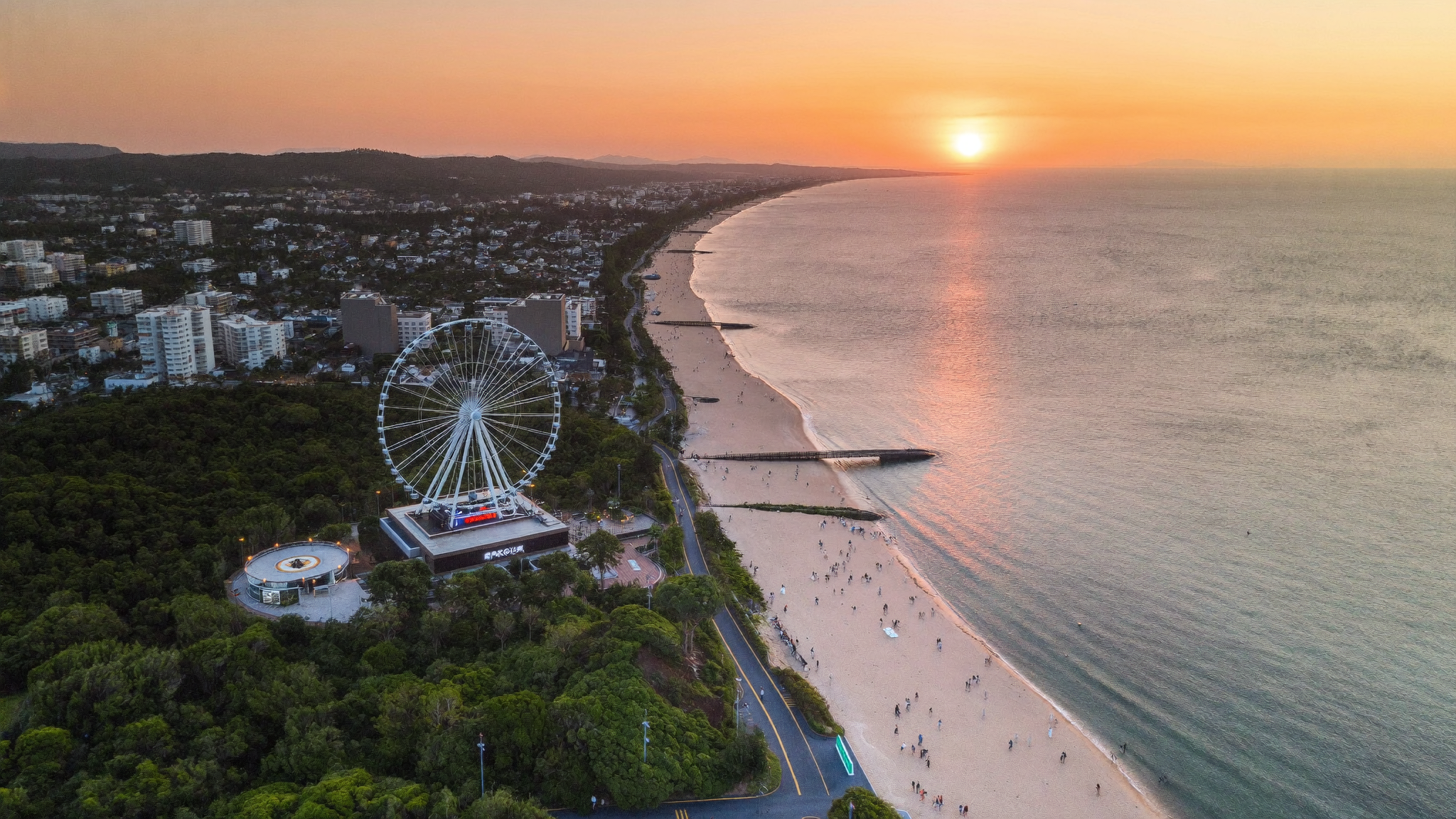
Adjacent to Sokcho Beach is the Sokcho Eye (속초아이), a 72-meter-tall ferris wheel that has become one of the city’s most iconic landmarks since opening in 2019. The ride takes about 15 minutes for a full rotation and offers 360-degree views of Sokcho city, the East Sea, Cheongchoho Lake, and Seoraksan’s peaks in the distance. On clear days, the views from the top are genuinely spectacular. Tickets cost ₩12,000 for adults. The Sokcho Eye operates year-round and is open until 10:00 PM, making it particularly beautiful at sunset and after dark when the city lights reflect on the water.
5. Sunrise Park (Yeonggeumjeong Pavilion)
Perched on a rocky promontory overlooking the East Sea, Yeonggeumjeong Pavilion inside Sunrise Park is one of the most photographed spots in Sokcho. The traditional wooden pavilion sits among wind-sculpted pine trees on a rocky cliff, and the sunrise views from here — when the sun rises directly from the sea — are breathtaking. Local residents and visitors alike gather here at dawn, especially around the New Year and during autumn. The park is free to enter and is accessible by local bus or a 15-minute walk from Sokcho Beach. There is also a small lighthouse nearby that is worth visiting.
6. Naksansa Temple — 1,300 Years of Buddhist History
Located about 9 kilometers south of Sokcho city center, Naksansa Temple (낙산사) is one of Korea’s most historically significant Buddhist temples, originally founded in 671 CE by the revered monk Uisang. The temple complex sits on a cliff overlooking the East Sea, and the combination of ancient architecture, towering pine trees, and ocean views makes it one of the most photogenic temple sites in the country. The 16-meter Haesugwaneumsang statue — a white granite Bodhisattva Guanyin — stands guard at the clifftop and can be seen from far out at sea. Admission is ₩4,000. The temple is a 40-minute bus ride from Sokcho (Bus 9 or 9-1).
If you enjoy combining history and nature, pair your Naksansa visit with a trip to nearby Naksan Beach, a beautiful stretch of sand backed by pine forests, just a short walk from the temple.
7. Cheoksan Hot Springs — Relax After a Day of Hiking
After a day of hiking in Seoraksan or exploring Sokcho’s attractions, there’s no better way to recover than a soak in Cheoksan Hot Springs (척산온천). Located on the western edge of Sokcho at the foot of the mountains, this hot spring resort area features several facilities ranging from budget jjimjilbang (Korean spa bathhouses) to upmarket hotel spas. The mineral-rich water is sodium bicarbonate-based, known to be beneficial for skin and muscle recovery. Several mid-range hotels in the area include hot spring access in their room rates, making Cheoksan an excellent base for visitors who want to combine hiking with relaxation.
Best Time to Visit Sokcho
The best time to visit Sokcho depends on what you want to experience. Here is a season-by-season breakdown:
October (Peak Season for Foliage) — October is the most popular time to visit Sokcho, and for good reason. Seoraksan’s autumn foliage peaks between mid-October and early November, transforming the granite mountains into a patchwork of red, orange, and gold that is truly spectacular. Expect larger crowds and slightly higher accommodation prices, but the scenery makes it entirely worthwhile. Book accommodation at least 2–3 weeks in advance if visiting in October.
April–May (Spring Blossoms) — Spring is the second-best time for Sokcho. Cherry blossoms bloom in late March and early April, followed by azaleas in May. The weather is mild and pleasant, crowds are smaller than autumn, and accommodation prices are reasonable. This is an excellent time for hiking, as the trails are not yet crowded.
July–August (Beach Season) — Summer brings beach crowds to Sokcho Beach and the nearby East Sea coastline. The ocean is warm for swimming, and the energy around the beach area is festive. However, Seoraksan can be very hot and humid for hiking. Mountain trails are busiest on weekends. Accommodation prices peak in late July and August.
January–February (Winter) — Winter in Sokcho is cold but scenic. Seoraksan can receive significant snowfall, transforming the granite peaks into a winter wonderland that is particularly dramatic for photography. The cable car and some trails may be closed after heavy snowfall. Hot spring visits are especially enjoyable in winter. Crowds are minimal and prices are low.
Where to Stay in Sokcho
Sokcho offers accommodation options across all budget ranges. Here is what to expect in each category:
Budget (₩30,000–₩60,000/night) — Guesthouses and motels near the bus terminal and around Sokcho Beach offer clean, basic accommodation at very reasonable prices. Many Korean motels in this range have been renovated recently and include private bathrooms, Wi-Fi, and TV. The Sogongwon area near Seoraksan has several budget options convenient for early morning hikers.
Mid-Range (₩80,000–₩150,000/night) — Several business hotels and boutique hotels operate near Sokcho Beach, offering sea-view rooms, comfortable amenities, and good value for money. Cheoksan Hot Springs area has hotels that include hot spring pool access, which is excellent value for hikers. Booking 2–3 weeks in advance is recommended for October and summer weekends.
Luxury (₩200,000+/night) — Sokcho has a small selection of upmarket hotels and resort properties, particularly in the Cheoksan and Seoraksan areas. These typically feature rooms with mountain views, in-house restaurants, and hot spring or spa facilities. Prices are significantly lower than comparable properties in Seoul or Jeju.
Essential Sokcho Travel Tips
Get a T-money card before arriving. The rechargeable transit card works on all buses in Sokcho and gives you a ₩100 discount per bus ride compared to cash. You can reload it at convenience stores throughout the city.
Buy your bus ticket in advance for the Seoul–Sokcho route, especially on Friday evenings, Saturdays, and during national holidays (Chuseok, Seollal). The bus can sell out quickly on peak travel days. Online booking is available via Kobus (고속버스) and Cashbee apps.
Arrive at Seoraksan cable car early. On weekends and during October, the cable car queue can reach 2–3 hours by midday. Getting to the park entrance before 8:30 AM typically means a 20–40 minute wait rather than hours. Pack a lunch if you plan to hike — the park’s restaurant options are limited and overpriced.
Try the local specialty snacks. Sokcho is famous beyond its seafood for Chodang Sundubu (Chodang soft tofu), made using seawater and produced in the nearby Chodang village. The incredibly silky tofu is served hot in a clear broth and is one of Korea’s most delicate and distinctive regional foods. Several restaurants along the Chodang Sundubu Street (just south of Sokcho) specialize in nothing else.
Combine Sokcho with Gyeongju or other coastal destinations. Read our Gyeongju travel guide for ideas on how to pair Korea’s ancient capital with a Sokcho adventure in a single extended trip. Alternatively, head south to explore our Jeonju travel guide for one of Korea’s best hanok village experiences. For more Korea travel planning resources, the Korea Tourism Organization’s official site provides up-to-date information on events, seasonal highlights, and practical travel advice.
Download Naver Maps (네이버 지도) before your trip. In Korea, Google Maps has limited public transit data, while Naver Maps provides accurate real-time bus schedules, walking directions, and restaurant listings in English. It is an essential tool for navigating Sokcho.
Conclusion: Is Sokcho Worth Visiting?
Absolutely. This Sokcho travel guide has covered just a fraction of what makes this city special. Sokcho is the rare destination that delivers everything — world-class mountain hiking at Seoraksan National Park, genuinely excellent and affordable seafood, cultural depth at Abai Village, beautiful beaches, hot springs, and historic temples — all in a compact, easy-to-navigate city that is far less crowded and expensive than Korea’s major tourist hubs. Whether you come for a single day trip from Seoul or spend a full week exploring Gangwon Province, Sokcho will exceed your expectations.
Plan your Sokcho travel now and experience one of Korea’s best-kept secrets. And if you are still building your Korea itinerary, explore our complete set of Korea destination guides for more inspiration on where to go next.