If you’ve scrolled past a K-pop fan account this week, you’ve probably seen the word “ARMY” paired with words like “furious,” “accountability,” and “apology.” A string of BTS concert controversies in 2026 — from a stadium delay in Busan to a last-minute venue downgrade in London — has turned into one of Korea’s biggest ongoing pop-culture stories. For outsiders, it can look like fandom drama. For Koreans, it’s a bigger conversation about who is actually responsible when a K-pop concert goes wrong.
Table of Contents
- What’s Happening in Korea Right Now?
- The Background: Why Did This Start?
- What Are Koreans Actually Saying?
- What This Reveals About Korean Culture
- How Does This Compare Internationally?
- Conclusion
What’s Happening in Korea Right Now?
The current wave of the BTS concert controversy traces back to June 12, 2026, when BTS performed at Asiad Main Stadium in Busan’s Yeonje District. The show started one hour and fifteen minutes late, reportedly due to problems with entry procedures and gift distribution at the gate. Members of BTS personally apologized to fans afterward — a gesture many ARMY appreciated, but one that also triggered a backlash of its own. Fans argued that the idols were taking the fall for failures that belonged to concert organizers, venue staff, and ticketing partners, not the performers.
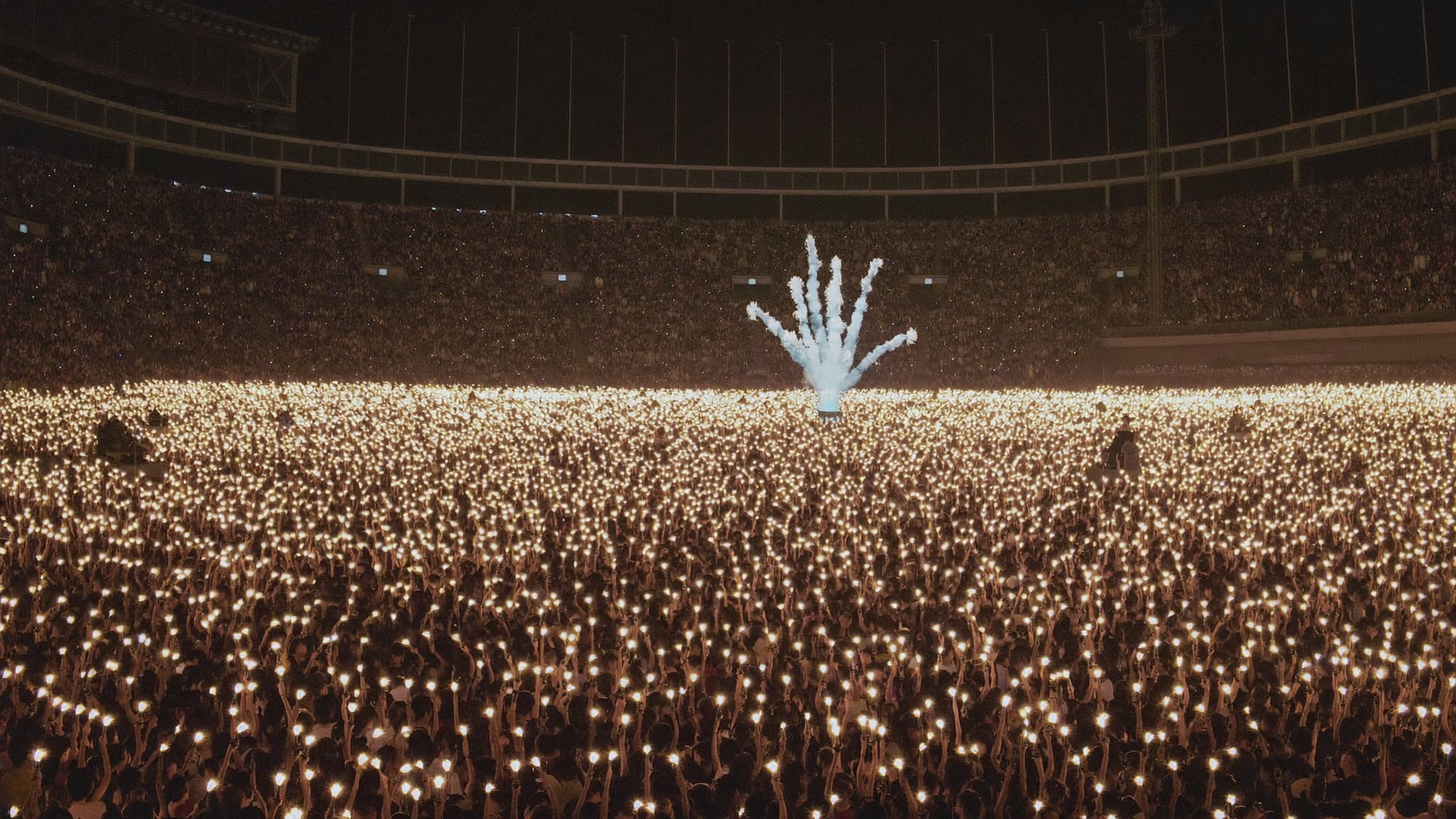
A second flashpoint hit BTS’s world tour stop in London. According to reports circulating in January 2026, the promoter had reportedly double-booked the tour date with another act just four days before the show, forcing a last-minute switch from the much larger Wembley Stadium to the smaller Tottenham Hotspur Stadium. Fans who had already booked flights and hotels around a Wembley show found themselves scrambling, and many accused the promoter of mishandling logistics at the fans’ expense. Then in July, a video clip showing objectionable behavior by a small group of fans at a concert venue went viral, adding a fresh layer of controversy about crowd conduct itself.
The Background: Why Did This Start?
To understand why these incidents escalated so quickly, it helps to know how big K-pop touring has become. Groups like BTS now sell out stadiums that seat 40,000 to 90,000 people across multiple continents, often within the same touring cycle. That scale requires an enormous logistics chain: local promoters, security firms, ticketing platforms, merchandise vendors, and venue operators, all coordinating across different countries and legal systems. When any link in that chain fails — a scanner malfunctions, a venue is double-booked, a delivery of official merchandise doesn’t arrive on time — the failure becomes visible to tens of thousands of fans standing in a queue, and often to millions more watching livestreams and fan cams afterward.
Korea’s entertainment agencies have historically asked idols to be the public face of almost everything connected to a comeback or tour, including problems that are contractually the responsibility of promoters or venues. That expectation made sense when tours were smaller and mostly domestic. At today’s global scale, fans increasingly argue it’s unfair and even a little dishonest, since it lets the companies that actually control ticketing, security, and venue logistics avoid public scrutiny.
What Are Koreans Actually Saying?
On Korean portals and X (formerly Twitter), the reaction has split along a few clear lines. One large group of ARMY has defended the members, pointing out that BTS personally apologized and even publicly criticized organizers rather than staying silent — a level of accountability fans say larger agencies and stadium operators rarely show. A second group has directed its frustration squarely at the companies and promoters, using the Busan delay and the London venue swap as evidence that touring infrastructure hasn’t kept up with how big K-pop fandoms have become. A third, smaller group has focused on fan behavior itself, arguing that the viral clip of unruly conduct damages the reputation of the wider fandom and gives critics an easy talking point.
Older fans, some of whom remember K-pop concerts in the 2000s and early 2010s, have noted in online discussions that this kind of large-scale organizational failure was rare when tours were smaller and mostly limited to Korea and Japan. Younger fans, who have only known K-pop as a global phenomenon, are more likely to compare Korean concert logistics unfavorably to Western touring standards, especially after high-profile ticketing failures at international pop concerts made global headlines in recent years.
What This Reveals About Korean Culture
This controversy is a useful window into two deep-rooted Korean cultural values colliding with global scale. The first is chaesim, a sense of duty and care that idols are expected to show fans — the reason BTS apologized personally instead of letting a corporate statement do the talking. The second is a broader Korean cultural instinct toward collective face-saving, where a public figure absorbing blame is seen as honorable, even when the failure isn’t really theirs.
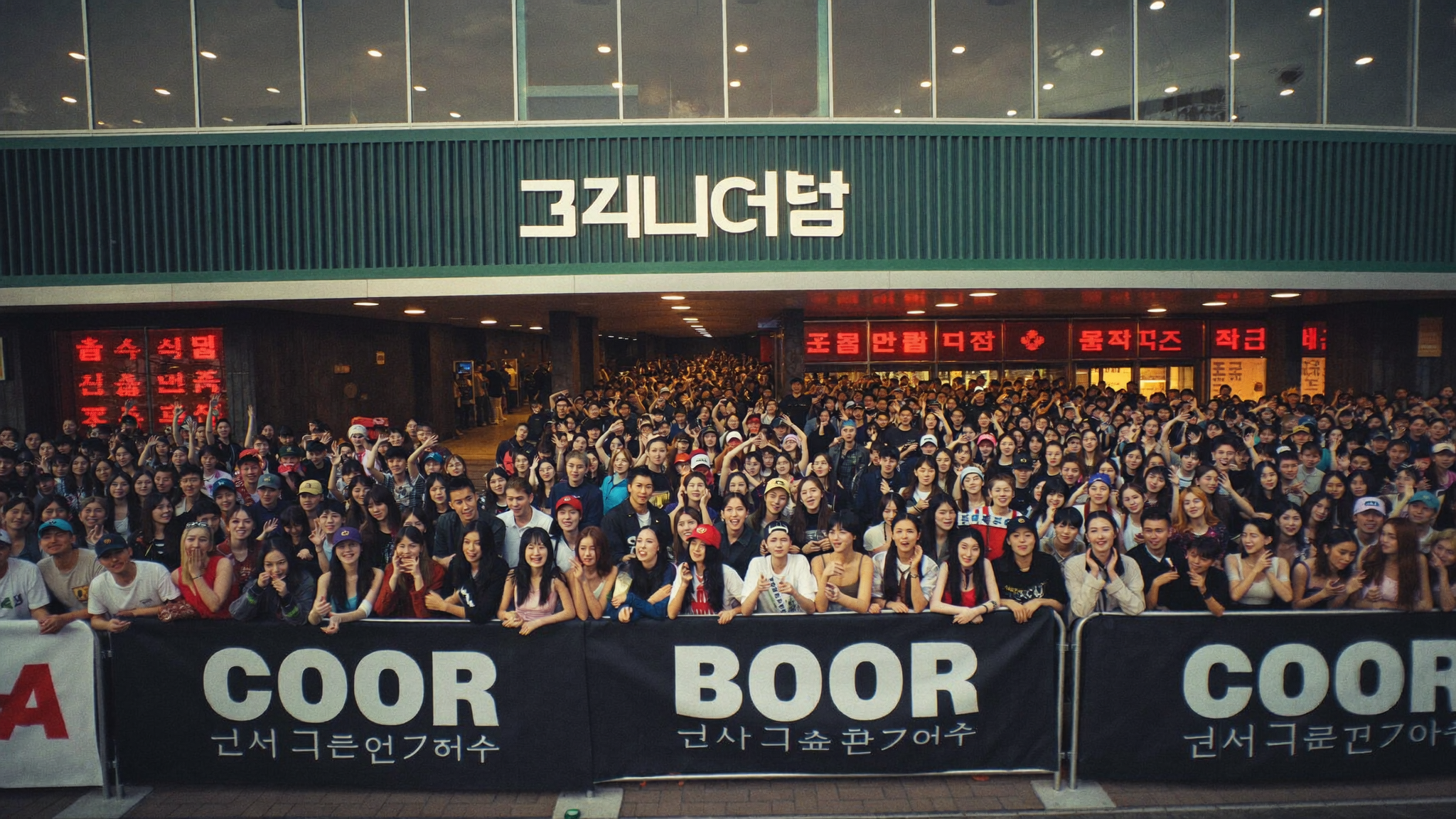
What’s shifting in 2026 is that fans, especially the international fanbase that now makes up a large share of BTS’s ticket sales, are increasingly unwilling to let that dynamic stand unchallenged. Instead of accepting an idol’s apology as the end of the story, fans are publicly asking agencies and promoters to explain themselves — a small but meaningful change in how accountability works in the K-pop industry.
How Does This Compare Internationally?
Korea isn’t alone in facing concert logistics backlash. Ticketing platforms in the United States and Europe have faced their own high-profile controversies over the past several years, including site crashes during high-demand on-sales and complaints about hidden fees. What makes the BTS case distinct is the personal, parasocial relationship between K-pop idols and their fans — ARMY doesn’t just want a refund or an apology from a corporation, they want to know their favorite artists weren’t mistreated either. That dynamic, unique to idol-fan culture, is part of why global entertainment reporters keep returning to K-pop concert stories even when the underlying issue (a bad ticketing system, a double-booked venue) isn’t unique to Korea at all.
If you’re curious how deep K-pop fan culture runs in Korea itself, it’s worth reading about the country’s K-pop tourism scene in Seoul, or why K-pop dating rumors still grip the country the way they do. Another recent chart-topping story, CORTIS breaking a major K-pop chart record, shows just how much scrutiny — and passion — surrounds every move Korea’s idol groups make right now.
Conclusion
The BTS concert controversy isn’t really about one delayed show or one venue swap — it’s a sign that K-pop’s touring business has outgrown some of its old habits, and that fans are no longer willing to let idols absorb blame that belongs to promoters and agencies. Whether Korea’s entertainment industry adapts its touring infrastructure to match its global popularity will likely shape how the next generation of K-pop tours are run. For now, ARMY is watching closely, and so is the rest of the K-pop world.
Want more real-time context on what’s trending in Korea? Check back with Unboxing Korea for daily explainers on the culture, entertainment, and social stories shaping the country right now.