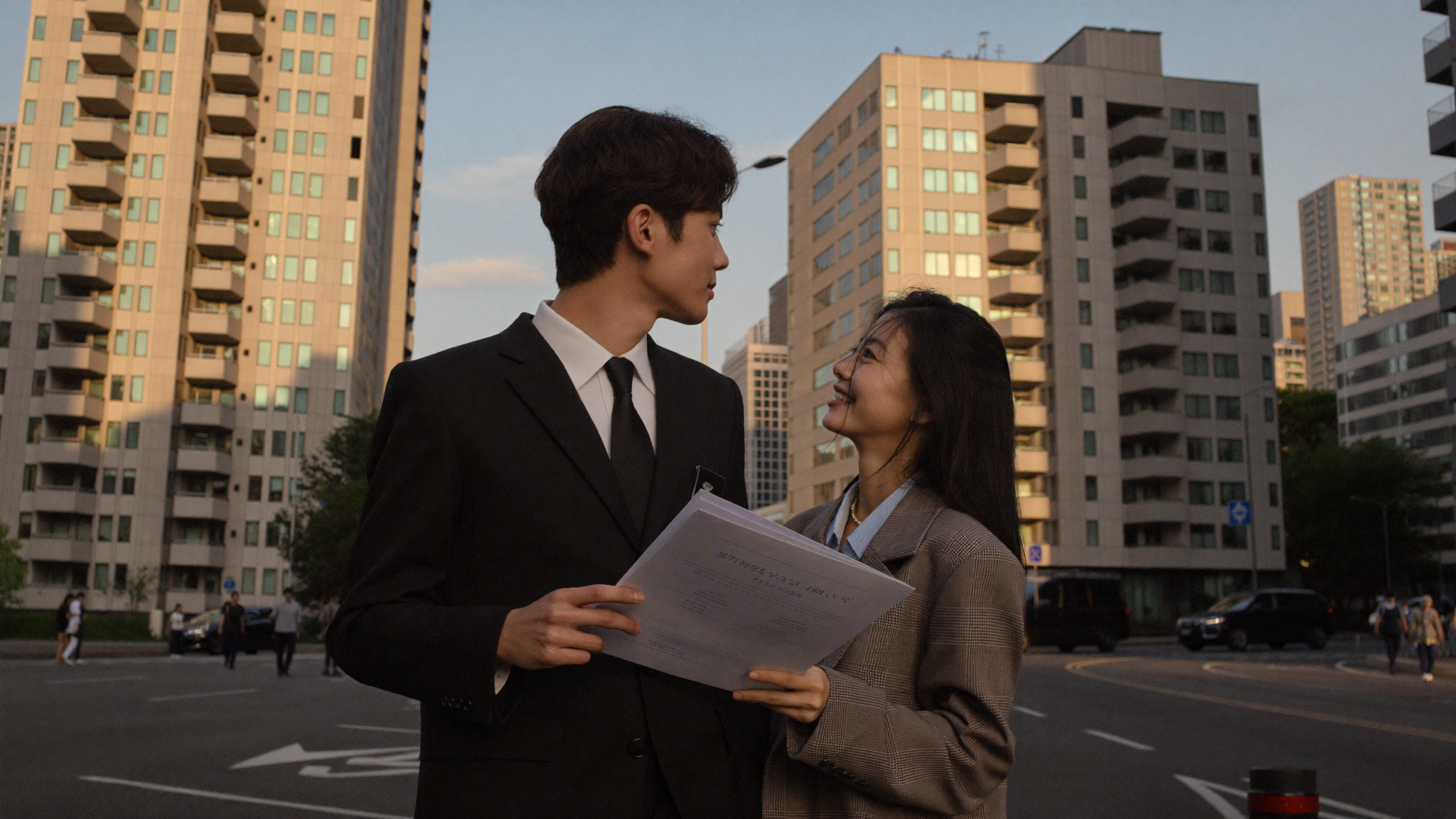
The Korea early marriage trend is one of the most talked-about social shifts in the country right now. For years, headlines about Korea focused on record-low birth rates and young people delaying — or skipping — marriage entirely. But in July 2026, something unexpected is happening: more young Koreans are registering their marriages earlier than planned, and the reason is surprisingly practical. With home prices and rent climbing again, couples are combining incomes, unlocking newlywed loans, and racing for public housing spots by making it official at the district office first and celebrating later.
Table of Contents
- What’s Happening in Korea Right Now?
- The Background: Why Did This Start?
- What Are Koreans Actually Saying?
- What This Reveals About Korean Culture
- How Does This Compare Internationally?
- Conclusion: Love, Paperwork and Apartments
What’s Happening in Korea Right Now?
The Korea early marriage trend flips a decade-old pattern on its head. Until recently, about 19 percent of Korean couples delayed registering their marriage for up to a year after their actual wedding ceremony — nearly double the 10.9 percent recorded ten years earlier. Why? Because being legally single sometimes gave each partner better access to housing subsidies and loans designed for individuals. Marriage, on paper, could actually hurt your chances of getting an apartment.
In 2026, the incentives have reversed. As The Korea Times reported, more young Koreans now say “the earlier, the better” when it comes to marriage. Couples who win spots in public housing lotteries for newlyweds are filing their marriage registrations sooner than originally planned, sometimes moving the paperwork up months just to match the move-in schedule of a subsidized apartment. Registering marriage early lets couples combine two incomes on loan applications, qualify for newlywed-only mortgage products, and enter housing lotteries reserved for married couples.
The Background: Why Did This Start?
To understand the Korea early marriage trend, you need to understand two things: Korean housing anxiety and the government’s demographic emergency. Korea’s fertility rate has hovered at the lowest level in the world, and policymakers have concluded that unaffordable housing is one of the biggest reasons young people hesitate to marry and have children.
So the government opened the wallet. Under the “January 29 Measures,” Korea announced plans to supply 60,000 housing units in Seoul and the metropolitan area focused on young people and newlyweds. The Seoul Metropolitan Government is providing about 4,400 public rental units to newlyweds over three years, and from 2026 it plans to supply 4,000 units per year — enough for roughly 10 percent of the 36,000 couples who marry in Seoul annually. Other cities compete too: Busan runs a newlywed housing loan interest support program for couples earning up to 130 million won combined, and Incheon has experimented with subsidized newlywed housing at a symbolic 1,000 won per day in rent.

5 Surprising Facts Behind the Shift
- 1. Marriage penalty → marriage bonus. Housing rules that once favored singles now heavily favor registered couples, from loan limits to lottery eligibility.
- 2. Paperwork before the party. Some couples register their marriage legally months before the wedding ceremony — the reverse of the old pattern of delaying registration.
- 3. Two incomes, one application. Combining incomes can dramatically raise the jeonse (deposit) or mortgage amount a couple can borrow through programs like the Didimdol loan.
- 4. Housing lotteries drive timing. Winning a newlywed public housing spot often requires proof of marriage by move-in, so the registry office visit gets scheduled first.
- 5. Regional competition. Cities like Busan and Incheon are effectively bidding for young couples with cheaper rent and interest support.
What Are Koreans Actually Saying?
Online reactions to the Korea early marriage trend are a fascinating mix of pragmatism and dark humor. On Korean forums, younger commenters joke that the most romantic proposal line in 2026 is “let’s register early and apply for the newlywed loan.” Others are more cynical, arguing that it shows how thoroughly economics has colonized romance: couples are optimizing wedding timelines around housing lotteries the way previous generations optimized around auspicious lunar calendar dates.
There is also a generational divide. Older Koreans often see the trend as a healthy return to earlier marriage after years of postponement. Meanwhile, some singles in their 20s and 30s point out the uncomfortable flip side, as The Korea Herald has chronicled: for Korean newlyweds without homes, love comes easy but paperwork doesn’t, and those who don’t win a lottery spot can feel like they lost a race they never agreed to run.
What This Reveals About Korean Culture
The marriage registration Korea story is really a story about how tightly housing and life milestones are linked in Korean society. In Korea, an apartment is not just shelter — it is the socially expected foundation for marriage and children, and jeonse deposits or purchase prices in Seoul can easily reach hundreds of thousands of dollars. When the state attaches generous benefits to a legal status like marriage, young Koreans respond with the same strategic energy they bring to university admissions or job exams.
For travelers, this context makes ordinary Seoul scenes more legible: those endless high-rise apartment complexes you see from the subway are the emotional center of Korean adulthood. If you want to see the neighborhoods young couples dream about, take a walk through our Seongsu-dong guide, or explore the more traditional side of romance on an Insadong and Gyeongbokgung date course.
How Does This Compare Internationally?
Korea is not alone in tying marriage to housing incentives, but the intensity is distinctive. Singapore has long linked subsidized HDB flats to marriage, and young Singaporean couples famously “propose” by asking, “Shall we apply for a BTO flat together?” Japan offers newlywed support payments in some municipalities, and several European countries provide family housing subsidies. What makes the Korea early marriage trend stand out is the speed of the behavioral flip: within a few years, registration timing swung from strategic delay to strategic acceleration, purely tracking policy changes. It’s a live experiment in how much demographics can be steered by real estate policy — and the world’s demographers are watching closely.
Conclusion: Love, Paperwork and Apartments
The Korea early marriage trend of 2026 shows a generation adapting rationally to an expensive reality: if the state rewards early marriage registration with cheaper homes and better loans, young couples will happily sign first and party later. Whether this translates into the baby boom the government hopes for remains an open question — but it has already changed how Koreans talk about love, timing and real estate.
Planning a trip to Seoul? Get around like a local with our T-money card guide, and follow Unboxing Korea for daily deep-dives into the trends shaping Korean society. If this story surprised you, share it with a friend who thinks marriage is only about romance!