- What’s Happening in Korea Right Now?
- The Background: Why Did This Start?
- What Are Koreans Actually Saying?
- What This Reveals About Korean Culture
- How Does This Compare Internationally?
- Conclusion
What’s Happening in Korea Right Now?
The Shindong Yesung fight story is the K-pop moment everyone in Korea is talking about this week. On a July 24 episode of the food-and-travel variety show Moo No Plan 4, Super Junior’s Shindong sat down with hosts Jun Hyun-moo and Kwak Tube at a restaurant in Hapcheon and casually dropped a story that sent fans scrambling to social media: he once almost got into a real fight with fellow member Yesung. The trigger? Yesung made an offhand comment about Shindong eating while he was on a strict diet — and, as Shindong put it, “it really struck a nerve.” The other members reportedly gathered around to watch the drama unfold with visible excitement, treating it less like a crisis and more like free entertainment.
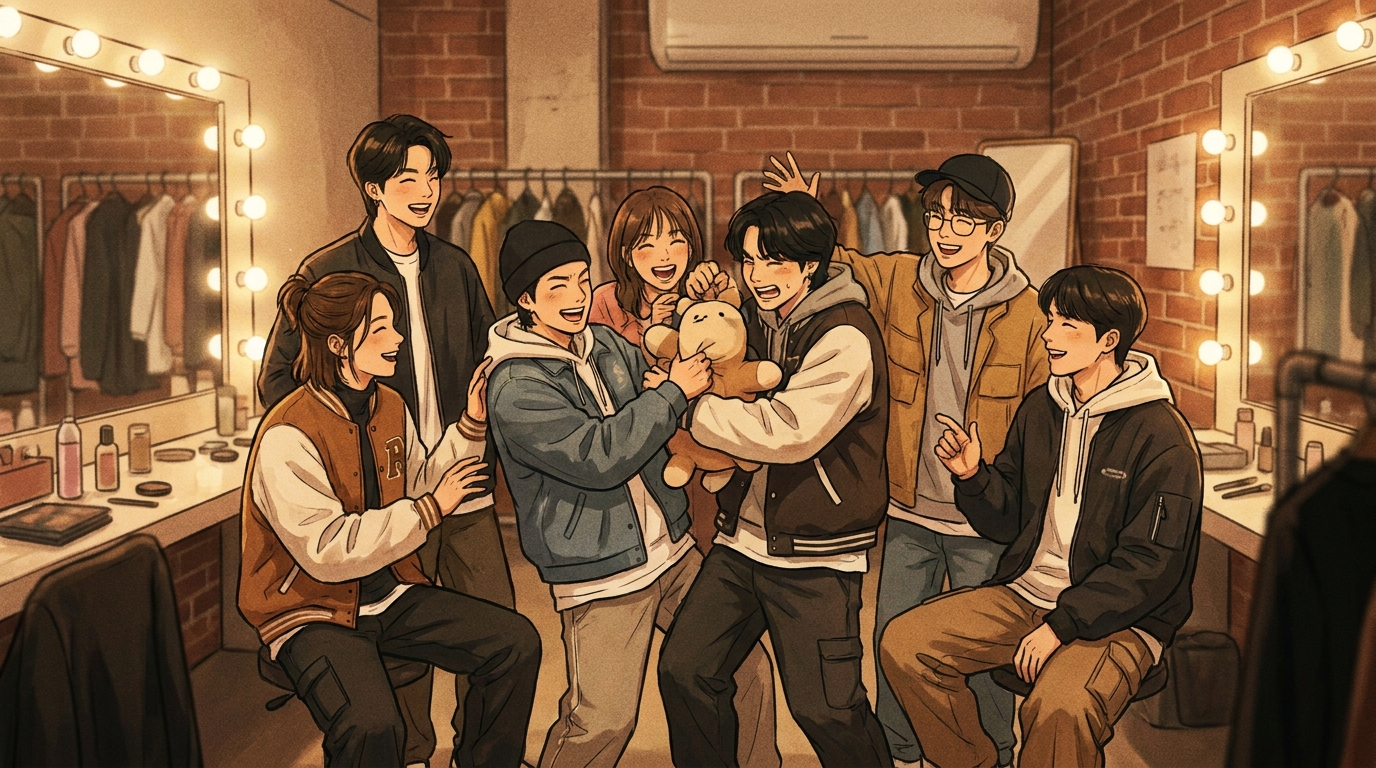
For a group like Super Junior, this kind of story lands differently than it would for a rookie act. The group debuted in 2005 and, more than two decades later, remains one of K-pop’s longest-running and most beloved acts — largely because members like Shindong have built entire broadcasting careers on exactly this kind of unfiltered, self-deprecating honesty. The Moo No Plan 4 appearance wasn’t a scandal; it was a masterclass in how veteran idols turn old grudges into charming content.
The Background: Why Did This Start?
To understand why one comment about eating nearly caused a blow-up, you have to understand the intensity of diet culture inside the K-pop industry. Idols are frequently placed on strict, company-monitored diets ahead of comebacks, tours, or simply to maintain the lean silhouette the industry expects on camera. Shindong, in particular, has spoken openly for years about his own weight and the public scrutiny that comes with it, making him one of the few idols to turn that pressure into a recurring, humanizing storyline on variety TV rather than hiding it. So when Yesung — a member he’s lived and worked alongside for over 20 years — made a joke that touched on his diet, it wasn’t just banter about food. It touched a nerve built from years of public commentary on his body.
That context matters for understanding why the story resonated. It’s not really about anger; it’s about the specific vulnerability idols carry around image and appearance, and how even the people closest to them can accidentally strike it.
What Are Koreans Actually Saying?
Online reaction has been overwhelmingly warm rather than alarmed. Korean entertainment outlets like Koreaboo picked up the clip within hours, and fan communities have been sharing it as proof of Super Junior’s famously chaotic, brotherly dynamic rather than evidence of real conflict. Comment sections are full of long-time fans (ELF, the group’s official fandom) reminiscing about other member spats that later became inside jokes — proof that in idol culture, a near-fight recounted with a laugh is treated as a badge of genuine friendship, not a red flag. Younger fans discovering Super Junior through the clip have reacted with surprise at how openly the members joke about tension that, in a newer or more image-controlled group, would likely never be mentioned on camera at all.
There’s also a generational thread in the reactions: older viewers relate the Shindong-Yesung dynamic to sibling arguments over shared meals, while younger commenters frame it through a workplace lens — the K-pop equivalent of a coworker commenting on your lunch. Both readings point to the same conclusion: the story went viral because it’s relatable, not because it’s shocking.
What This Reveals About Korean Culture
The Shindong Yesung fight story is a small window into a much bigger feature of Korean idol culture: longevity breeds a specific kind of found-family intimacy that variety shows are built to showcase. Groups that survive 20-plus years together — enlisting for mandatory military service, going through solo projects, and returning to the same dorm-like closeness — develop a communication style outsiders might read as harsh but insiders understand as deep familiarity. Commenting on a member’s diet, appearance, or habits is a form of casual honesty that would be taboo among strangers but is almost expected among Korean “brothers” (hyungdongsaeng) who’ve spent two decades in each other’s lives.
It also reflects how Korean variety television functions as a controlled release valve for idols. Rather than let tension simmer in silence — image management culture generally discourages public displays of real conflict — hosts and members alike use light, humorous storytelling to acknowledge friction while immediately defusing it with laughter. The audience gets a rare glimpse of authenticity, the idol gets to reclaim their own narrative around a sensitive topic like diet and body image, and the group’s brand of loyalty gets reinforced all at once.

How Does This Compare Internationally?
Western audiences will recognize the shape of this story even if the cultural details differ. Long-running boy bands and pop groups everywhere — from decades-old rock bands to reality-TV-era pop acts — have built entire documentaries and interview cycles around old backstage arguments that, in hindsight, become beloved lore (think of any classic “band breakup and reunion” narrative). What’s distinct about the Korean version is the format: rather than a tell-all documentary years later, it surfaces almost immediately, mid-career, on a mainstream variety show, and is delivered with a smile rather than nostalgia. It’s less “true Hollywood story” and more “friends roasting each other at dinner,” broadcast nationally. For fans who follow other long-running acts like SEVENTEEN, whose members just made K-pop history by renewing their contract together, or newer global breakouts like KATSEYE, the Shindong-Yesung story is a preview of the kind of decades-deep bond fans hope every group eventually builds.
Conclusion
The Shindong Yesung fight story isn’t really about a fight at all — it’s a masterclass in how one of K-pop’s longest-running groups turns two decades of shared history, diet pressure, and brotherly bluntness into content that makes fans love them even more. It’s a reminder that behind the choreography and comeback schedules, idols are navigating the same friendships, insecurities, and inside jokes as anyone else — they just happen to do it on national television.
Curious what other K-pop stories are trending in Korea this week? Browse Unboxing Korea’s latest culture coverage for more deep dives into the moments Korean fans can’t stop talking about.