Jump to: What’s Happening · The Background · What Koreans Are Saying · What It Reveals · Global Comparison · Conclusion
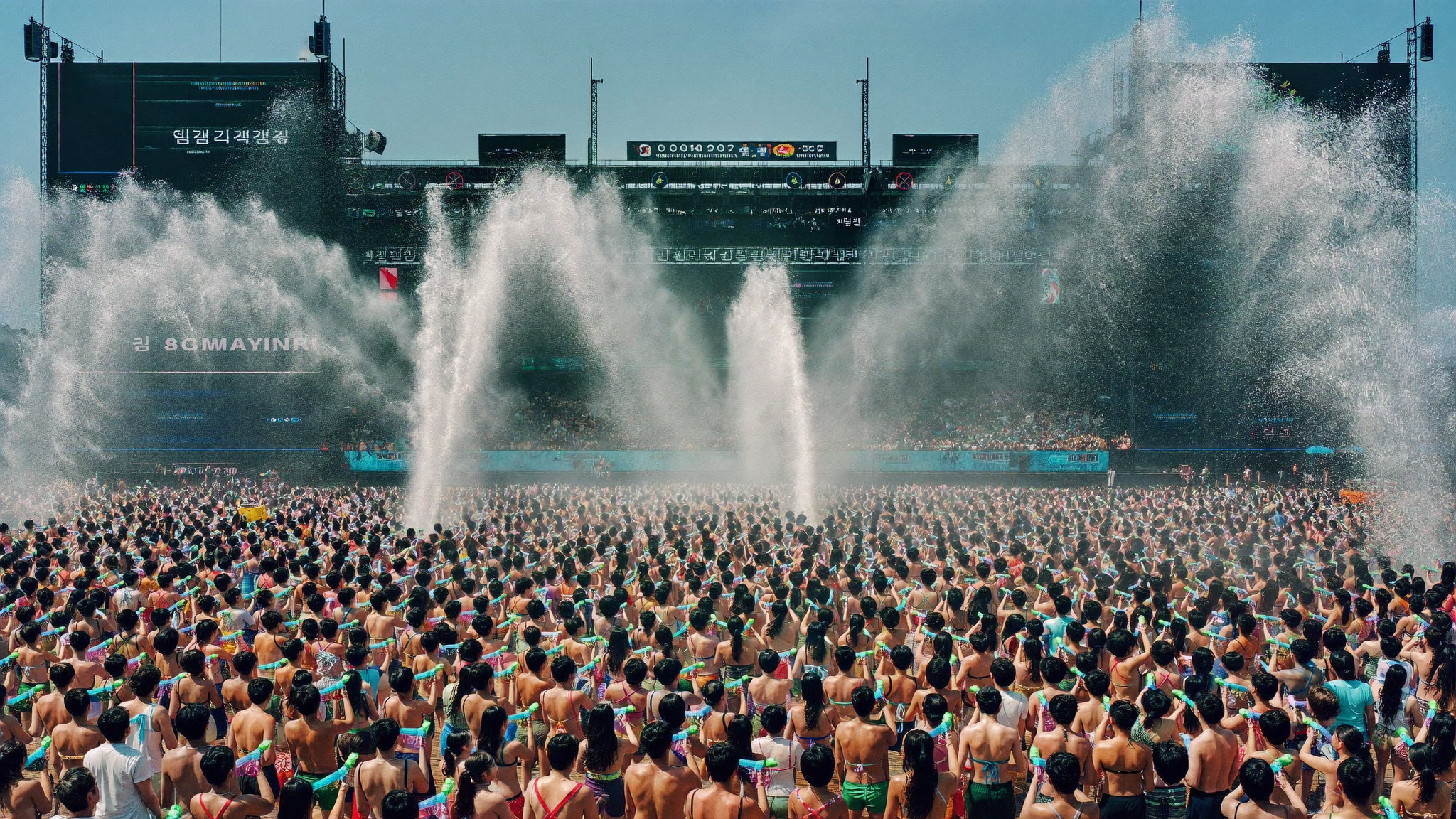
If your social media feed suddenly filled with drenched K-pop idols and thousands of people firing neon water guns, you’ve witnessed WATERBOMB Seoul 2026. From July 24 to 26, Korea’s most talked-about summer music festival took over the KINTEX Outdoor Global Stage in Goyang, just northwest of Seoul — and for three straight days it dominated Korean social media, trending charts, and group chats. WATERBOMB Seoul 2026 isn’t just a concert. It’s a nationwide water fight with a K-pop soundtrack, and this year it went bigger than ever.
What’s Happening in Korea Right Now?
WATERBOMB Seoul 2026 ran for three days with one of the most stacked lineups in the festival’s history. Day one (July 24) opened with Diplo, SHINee’s Taemin, Simon Dominic, Changmo, Lee Young Ji, and KISS OF LIFE. Day two brought festival icon Jay Park, aespa’s Karina — returning after her stages went viral across social media last year — plus BIBI, Shownu X Hyungwon of MONSTA X, Loco, and Gray. The final day on July 26 closed with J.Y. Park, Zico, Sunmi, NCT’s Taeyong, and RIIZE.
Every artist performs while being sprayed by water cannons, and the crowd is split into the festival’s signature Green and Yellow teams for a massive interactive water-gun battle. Within hours of each day ending, clips of performances flooded TikTok, X, and Instagram — this is the festival that made ‘summer idol physique’ an annual Korean internet talking point.
The Background: Why Did WATERBOMB Become Korea’s Biggest Summer Festival?
WATERBOMB started in 2015 as a modest Seoul event mixing hip-hop, EDM, and K-pop with water-fight gimmicks. A decade later, it draws over 300,000 attendees annually across its world tour and has expanded to cities like Las Vegas, Tokyo, and Sokcho. In 2026, the Seoul edition moved from Jamsil to the much larger KINTEX Outdoor Global Stage, allowing bigger water effects and bigger crowds.
Three ingredients explain the obsession. First, the water levels the playing field: idols who are usually untouchable perform soaked, laughing, and getting shot with water pistols by fans. Second, the festival built a reputation as the place where artists debut their most daring summer stages — Jay Park, HyunA, and Sunmi all had career-defining WATERBOMB moments. Third, it is engineered for virality: every water cannon blast is a slow-motion clip waiting to happen.
What Are Koreans Actually Saying?
Korean social media treated each day of WATERBOMB Seoul 2026 like a sports broadcast. Fans live-posted Taemin’s opening-day stage, and BTOB’s HUTA drew huge attention for his performance and physique, while Karina’s return trended within minutes. Older netizens joked that WATERBOMB is ‘the national summer physical exam’ because of the yearly focus on idol fitness, while others debated ticket prices and the festival’s move to Goyang — a longer trip for Seoulites, but easier crowd management.
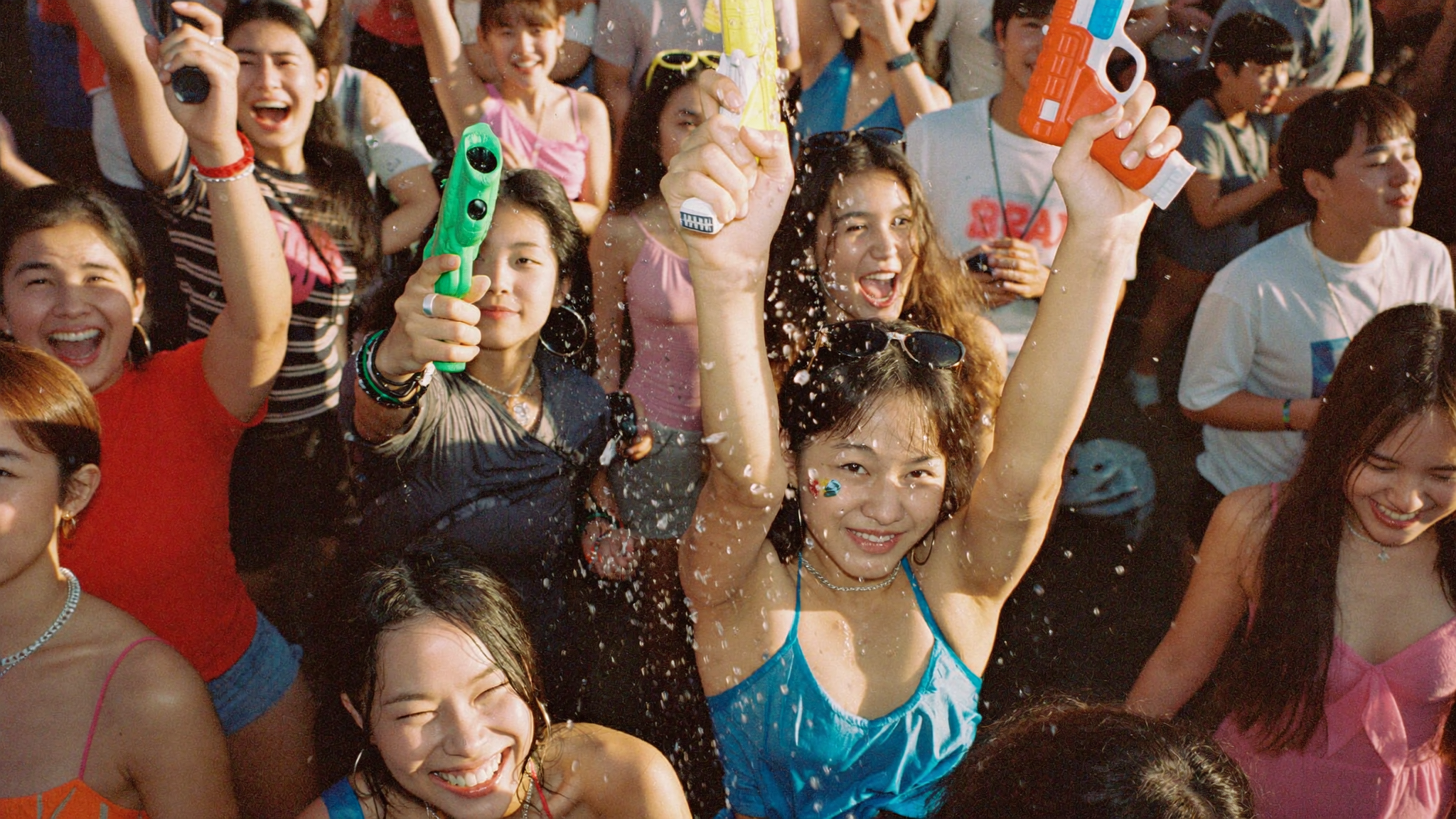
There’s also a generational angle. For Korean Gen Z, attending WATERBOMB is a social media rite of passage: the outfit planning, the waterproof phone pouch, the team color choice. Many attendees say they go as much for the content they’ll post as for the music itself — a very 2026 way to festival.
What WATERBOMB Reveals About Korean Culture
Korea works hard and plays harder, and WATERBOMB is the purest expression of the second half. In a society known for strict social hierarchies and formality, a festival where strangers shoot water at each other — and at celebrities — offers a sanctioned day of total release. Sociologists in Korea often describe this as ‘moment culture’: short, intense bursts of collective joy that contrast with high-pressure daily life.
It also shows how completely K-pop has merged with lifestyle marketing. WATERBOMB isn’t organized around albums or fandoms but around a shared summer experience, sponsored by beverage and beauty brands, documented by influencers, and exported as a franchise. The festival is a preview of how Korea packages culture: take a universal pleasure (a water fight), polish the production to idol-concert standards, and make it endlessly shareable. If you’re planning a summer trip, our guide to Seoul’s free cooling facilities and our T-money card guide will help you survive the same heat that makes WATERBOMB so appealing.
How Does WATERBOMB Compare Internationally?
The obvious comparison is Thailand’s Songkran, the world’s most famous water festival — but Songkran is a traditional New Year celebration, while WATERBOMB is a commercial music festival born in the social media era. A closer parallel might be Spain’s La Tomatina or America’s Coachella: WATERBOMB combines Coachella’s influencer economy with Songkran’s water chaos, then adds K-pop’s production values. The formula travels well, which is why the festival now tours globally — the official WATERBOMB site lists upcoming world tour stops, and outlets like allkpop covered this year’s lineup announcement as major entertainment news.
For foreign visitors, WATERBOMB Seoul 2026 also signals something practical: Korea’s summer festival scene is now genuinely international. English ticketing, foreigner-friendly entry, and global lineups mean you don’t need to be a K-pop superfan to enjoy it — you just need a water gun and a change of clothes.
Conclusion: Should You Go Next Year?
WATERBOMB Seoul 2026 proved again that Korea’s hottest summer tradition isn’t centuries old — it’s ten years young and engineered for joy. If you’re visiting Korea in July, put it on your list alongside the food, the palaces, and the cafes. And when the festival leaves you soaked with a suitcase full of wet clothes, we’ve got you covered: Unboxing Korea delivers new suitcases to Seoul hotels within 2 hours. Check out our suitcase delivery service and explore more of what’s trending in Korea right now.