If you have been scrolling Korean social media in 2026 and keep seeing a strange little suffix stuck onto every emotion, you have met Korean viral slang jabes. Pronounced “ja-bes” (자베스), it is the buzzword of the year, a playful all-purpose tag that Koreans are attaching to happiness, sadness, shock and everything in between. Here are five fun facts to help outsiders decode it.
Table of Contents
- What’s Happening in Korea Right Now?
- The Background: Where Did Jabes Start?
- What Are Koreans Actually Saying?
- What This Reveals About Korean Culture
- How Does It Compare Internationally?
- Conclusion & CTA
What’s Happening in Korea Right Now?
Korean viral slang jabes has become the internet catchphrase of 2026. At its core, “jabes” is a twist on the Korean expression for “it’s chaos” or “things are going wild,” used when something is surprising or over-the-top. The genius is in its flexibility: it snaps onto any feeling in a “[emotion] + jabes” formula, giving you sad-jabes, happy-jabes, shocked-jabes and endless variations.
You will now see it in comment sections, YouTube titles, and even the marketing copy of Korean brands trying to sound current. Like most Korean buzzwords, it spread fastest on short-form video, where a single catchy phrase can define a season of online conversation.
The Background: Where Did Jabes Start?
The jabes meaning has roots that predate its 2026 fame. The expression reportedly first bubbled up around 2023 in KakaoTalk chats and online community stories, then faded. It roared back in early 2026 after a popular Korean Instagram creator declared it “the slang word I’m officially distributing for 2026” in a Reel that racked up millions of views. From there it jumped to X (Twitter) and brand accounts, completing the classic Korean buzzword life cycle.
This revival pattern is very Korean: a phrase is born in private chats, dies quietly, and is then resurrected and formalized by a single influential creator who essentially “licenses” it to the public. The declaration itself becomes part of the joke.
What Are Koreans Actually Saying?
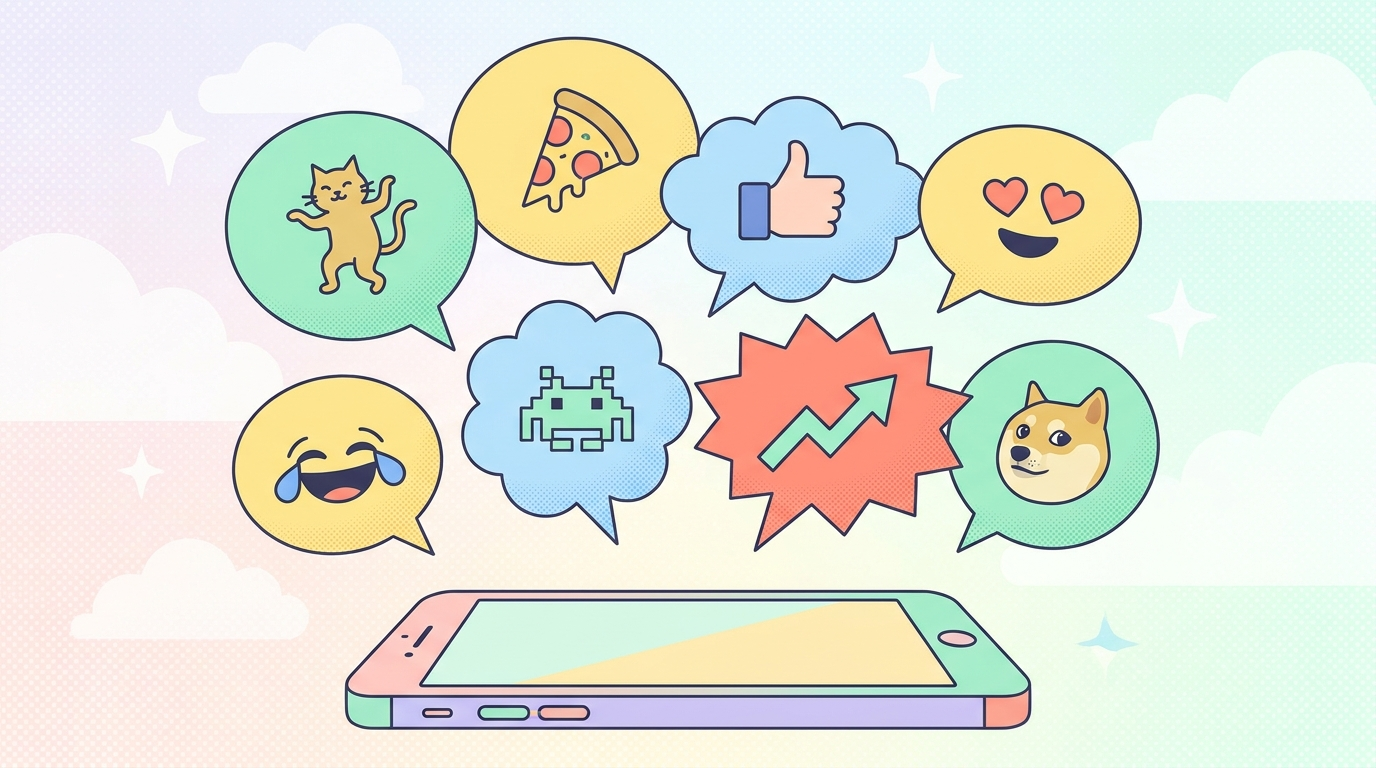
Reactions are split in a familiar generational way. Younger users love how absurd and elastic “jabes” is: it means nothing and everything, which makes it perfect for the deadpan, ironic humor Gen Z favors. Others roll their eyes, arguing that manufactured buzzwords, especially ones a creator openly “distributes,” feel forced compared to slang that emerges organically.
There is also a mild anxiety among older Koreans and learners of Korean who feel they can barely keep up. Every few months a new inside-joke word appears, and not knowing it can quietly mark you as out of the loop, which is part of why these terms spread so fast.
What This Reveals About Korean Culture
Korean viral slang jabes is a small window into Korea’s hyper-fast internet culture, where language itself is treated as a fashion item, adopted, remixed and discarded at incredible speed. Korean has a long tradition of playful word-blending and abbreviation, and social media has supercharged that instinct into a near-monthly cycle of new coinages.
It also shows the outsized power of individual creators as trend-setters. For a look at how emotionally invested Koreans get in online micro-dramas, our piece on why K-pop dating rumors still grip Korea pairs nicely, and if you want to understand the neighborhoods where this trend-obsessed youth culture lives, start with Seongsu-dong, Korea’s trendiest area.
How Does It Compare Internationally?
Every internet culture has its throwaway slang, from English “rizz” to Japanese net-speak. What stands out about Korean slang 2026 is the formalized, almost ritualized way trends are announced and adopted. A creator publicly “releasing” a word of the year, and the public gleefully agreeing to run with it, is a distinctly Korean flavor of collective play.
For learners, the practical lesson is that textbook Korean will only take you so far. To actually sound natural online, you have to track these fast-moving terms, and half the fun is that even native speakers argue about what they mean.
Conclusion & CTA
Korean viral slang jabes may be gone by next year, but the machine that produced it, a blend of playful language, creator power and lightning-fast social media, is a permanent feature of Korean life. Learning to read these words is one of the most fun ways to understand how young Korea actually talks.
Curious about the next Korean buzzword? Bookmark unboxingkorea.com for daily explainers on Korean trends, language and culture. For more on Korean digital life, see reputable outlets like The Korea Herald and The Korea Times.