The Korea World Cup 2026 campaign is officially underway, and it could not have started in more dramatic fashion. On July 16 (Korean time), South Korea came from behind to beat Czechia 2-1 at Guadalajara Stadium in Mexico, and the entire country erupted. If you were anywhere near a Korean group chat, a convenience store TV, or a Seoul street corner this morning, you already know: Korea talks about football differently when the World Cup is on.
Table of Contents
- What’s Happening in Korea Right Now?
- The Background: Why This Match Mattered So Much
- 5 Epic Moments From South Korea vs Czechia
- What Are Koreans Actually Saying?
- What This Reveals About Korean Football Culture
- How Does This Compare Internationally?
- Conclusion: A Perfect Start
What’s Happening in Korea Right Now?
South Korea opened its Korea World Cup 2026 group stage with a 2-1 comeback victory over Czechia. The Taegeuk Warriors fell behind in the second half, then flipped the match in twenty minutes: midfielder Hwang In-beom equalized with a brilliant solo goal, and striker Oh Hyeon-gyu buried the winner in the 80th minute. Captain Son Heung-min, leading the line at what is widely expected to be his final World Cup, played a relentless attacking role throughout.
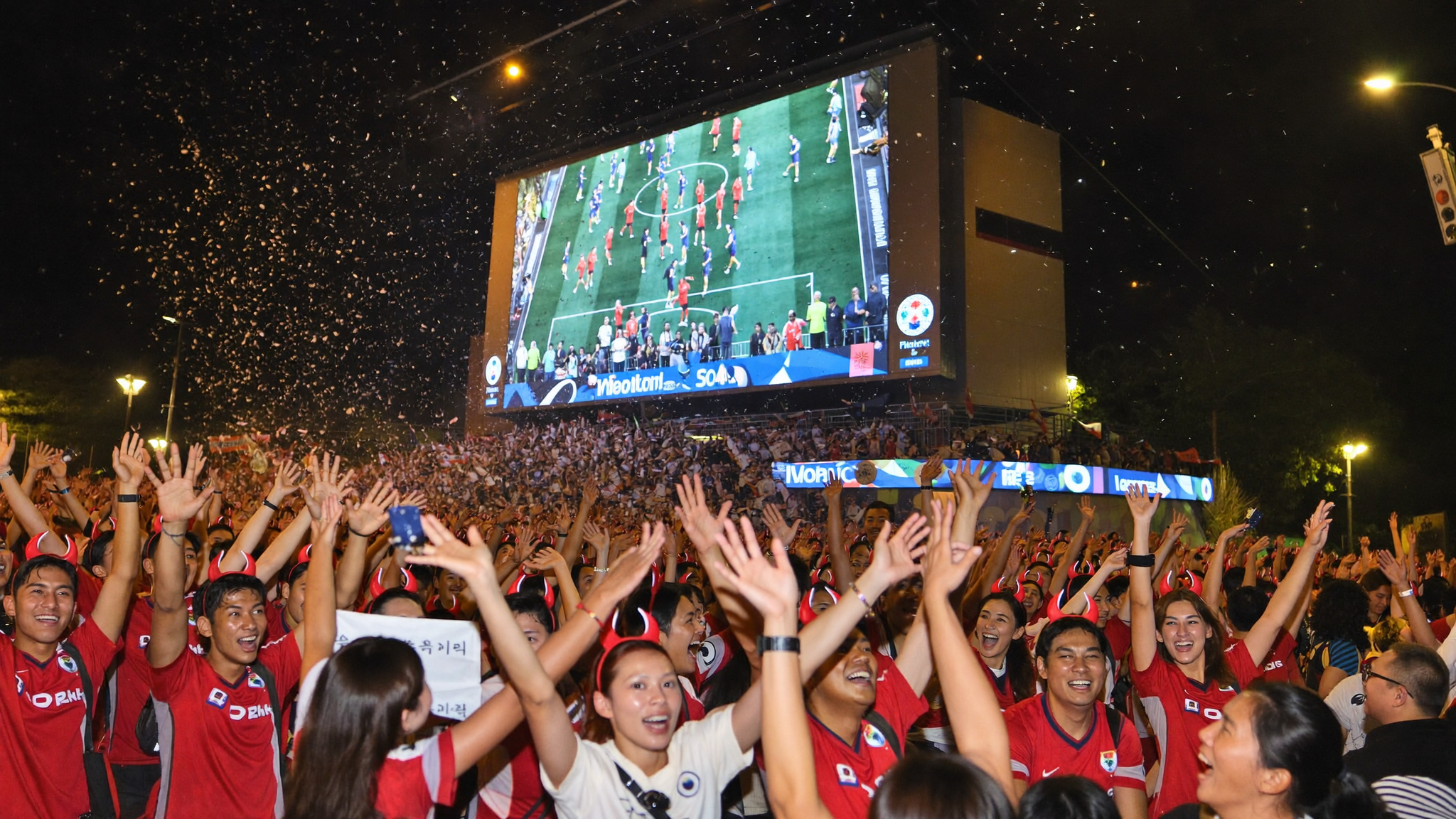
Because of the time difference with Mexico, much of Korea watched the match in the early morning or caught up over breakfast — and then proceeded to talk about nothing else all day. Portal sites, X (Twitter), and office lunch conversations were wall-to-wall football.
The Background: Why This Match Mattered So Much
Korea has qualified for eleven straight World Cups, but the emotional stakes this time are unusually high. This is almost certainly the last World Cup for Son Heung-min, the most beloved Korean athlete of his generation. It is also the first 48-team World Cup, hosted across the United States, Canada, and Mexico, which means a slightly more forgiving group stage — and therefore enormous pressure to actually get out of the group.
Czechia was billed as the toughest “winnable” match in Korea’s Group A schedule. Losing the opener would have set off a national wave of anxiety; winning it, especially from behind, did the opposite. Korean football fans have long memories: the 2002 semifinal run co-hosted at home, the 2018 shock win over Germany, and the 2022 round-of-16 run under Paulo Bento are all part of the story Koreans tell themselves every four years.
5 Epic Moments From South Korea vs Czechia
1. Son Heung-min’s captain’s performance
Son wore the armband and led Korea’s attack from the first whistle. He missed two big chances before halftime — including a curling long-range effort in the 39th minute — and forced a diving save early in the second half. He didn’t score, but he stretched the Czech defense all night and set the tone for the comeback, according to MLSsoccer.com’s match report.
2. The gut-punch: Czechia strikes first
Despite Korea controlling large stretches of play, Czechia scored first in the second half. For a few minutes, the mood in Korean living rooms — and in the massive online watch threads — turned grim. Anyone who has followed the Korea World Cup 2026 build-up knows how much weight Koreans put on the opening match.
3. Hwang In-beom’s solo equalizer
The former Vancouver Whitecaps midfielder produced the moment of the match: a driving solo run and finish to level the score. Hwang finished the night with a goal and an assist, and Korean media immediately crowned him man of the match.
4. Oh Hyeon-gyu’s 80th-minute winner
Ten minutes from time, Hwang slipped the ball through and Oh Hyeon-gyu finished the job: 2-1 Korea. The goal set off the kind of collective scream that echoes through Korean apartment complexes — a shared national moment that instantly became meme material.
5. The final whistle and instant celebration
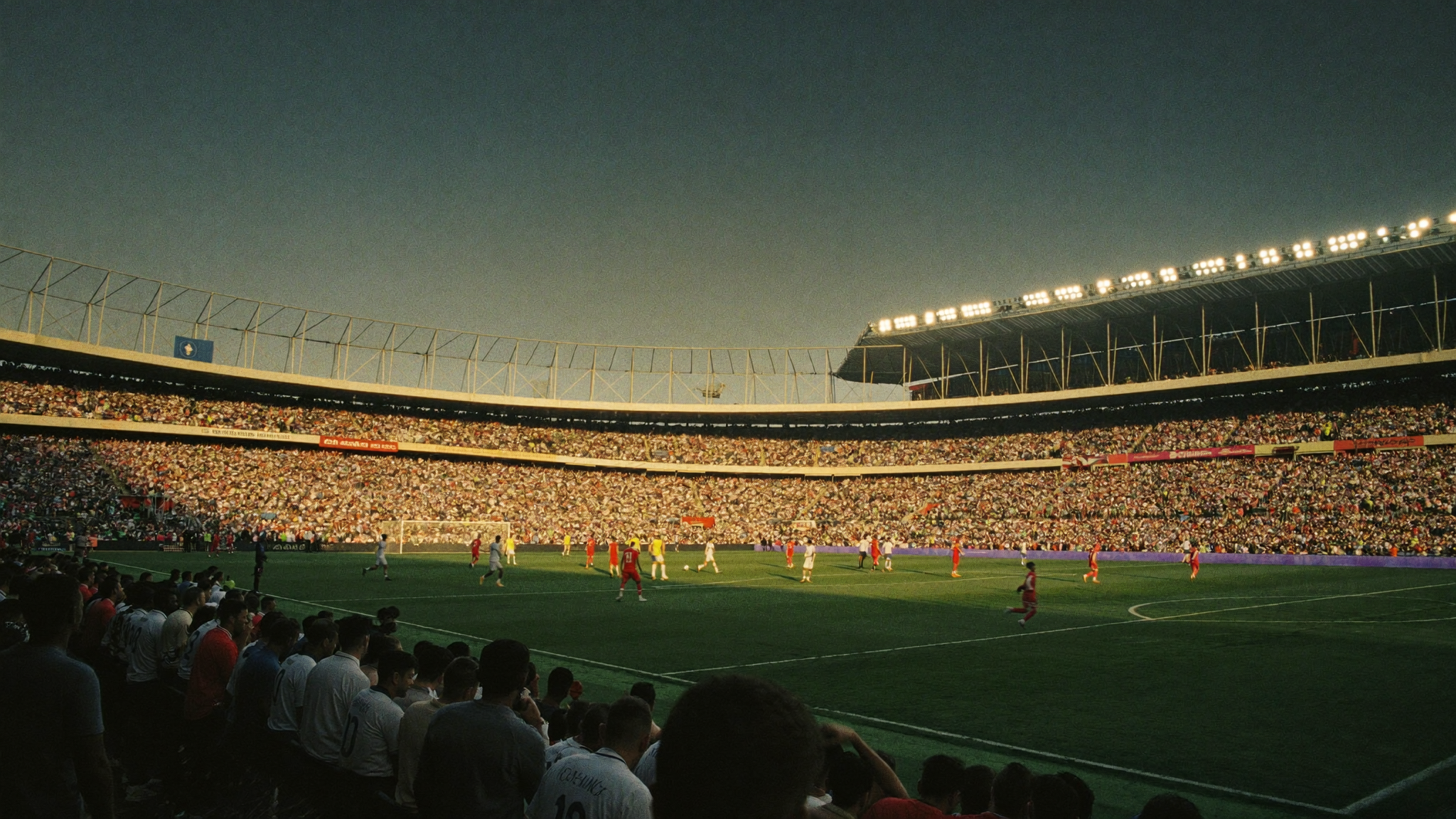
When the referee blew for full time, Korea had all three points and top spot in the group. Within minutes, highlight clips flooded KakaoTalk, and “Hwang In-beom” and “Oh Hyeon-gyu” shot up the real-time search rankings alongside the match itself.
What Are Koreans Actually Saying?
Korean online communities ran the full emotional spectrum in ninety minutes. Before the equalizer: “Why do we always do this to ourselves?” After the winner: “Hwang In-beom carried the entire nation on his back.” There’s also a strong sentimental thread about Son Heung-min — fans posting photos of him as a teenager at the 2014 World Cup next to him wearing the captain’s armband now, with captions like “let’s send the captain out with a run to remember.”
Office workers joked about “World Cup jet lag” from the Mexico kickoff times, and street food vendors near viewing areas reported chicken-and-beer orders spiking — the classic Korean match-night combo. If you want to understand that side of Korean fan culture, our guide to Korean street food and these viral convenience store food combos are the perfect companions to a match broadcast.
What This Reveals About Korean Football Culture
Foreigners are often surprised by how totalizing the World Cup is in Korea. This is a country where the 2002 tournament is treated as a genuine historical event — the Red Devils supporters, the sea of red shirts in Gwanghwamun Square, the “Dae~han-min-guk” chant that every Korean can perform from muscle memory. The World Cup is one of the few occasions where Korea’s famously fragmented generations all watch the same thing at the same time and feel the same feelings.
It’s also a window into how Korea processes national identity through sport. Korean players who succeed abroad — Son at Tottenham and now LAFC, Kim Min-jae at Bayern, Lee Kang-in at PSG — function almost like cultural ambassadors, the athletic wing of the same soft-power wave as K-pop and K-dramas. A World Cup win isn’t just three points; it’s proof, replayed on every channel, that Korea belongs on the world’s biggest stage. We saw a smaller version of this dynamic when a Korean hair tie went global thanks to a footballer — see our story on the KKNEKKI hair tie and the World Cup.
How Does This Compare Internationally?
Every football nation celebrates a World Cup win, but Korea’s version has distinct features: synchronized group viewing (often at dawn due to time zones), an instant meme economy, and a communal chant culture born in 2002. Think of it as somewhere between England’s pub culture and Argentina’s street celebrations, but compressed through Korean apartment living and group chats. The match itself drew global coverage too — Al Jazeera previewed the fixture as one of the most intriguing of the opening round, and FOX Sports highlighted Son’s first-half chances in its match coverage.
Conclusion: A Perfect Start
The Korea World Cup 2026 journey has begun with maximum drama and maximum points. A comeback win, a new midfield hero in Hwang In-beom, a clutch striker in Oh Hyeon-gyu, and a captain chasing one last miracle — the storylines could not be better. The next group matches will decide whether this becomes another 2002-style national festival or a heartbreak story, but for now, Korea is smiling.
Planning to visit Korea during the tournament? Join a street viewing crowd at least once — it’s one of the most electric cultural experiences the country offers. And if you’re traveling around match days, let us handle your bags: check out our luggage delivery and storage services so you can chant “Dae~han-min-guk” hands-free.