Ready to trade crowded palace queues for cliffside temples, candy-colored German houses, and a beach quiet enough to hear the waves? This Namhae Island travel guide covers everything you need to plan a trip to South Korea’s fifth-largest island — from German Village and Boriam Hermitage’s sunrise views to a full budget breakdown, sample itinerary, and practical tips for international visitors. It sits off Korea’s south coast, tucked between the port cities of Busan and Yeosu, and rewards travelers willing to rent a car and explore beyond Seoul.
- A Quick Overview
- Best Time to Visit
- How to Get There
- Things to Do: Top Attractions
- What to Eat
- Where to Stay
- What to Pack
- Sample 1–2 Day Itinerary
- Travel Budget Breakdown
- Tips for Japanese and Chinese Travelers
- Frequently Asked Questions
- Final Thoughts
Namhae Island, Korea: A Quick Overview
Namhae Island (남해도) is Korea’s fifth-largest island, located in Gyeongsangnam-do (South Gyeongsang Province) along the south coast, roughly equidistant between Busan and Yeosu. Connected to the mainland by two bridges, it’s an easy add-on to a south coast itinerary that might already include Tongyeong or Yeosu. For an official overview of the wider region, the Korea Tourism Organization is a reliable starting point.
Unlike Jeju, this island rarely appears on first-time visitor itineraries, which is exactly its appeal. It mixes dramatic coastal scenery — cliffside temples, terraced rice paddies, a silver-sand beach — with quirky cultural pockets like German Village. Most of the terrain is mountainous and rural, dotted with garlic fields and small fishing villages, so distances between sights can be deceptively long for such a compact landmass. You can read more geographic background on Namhae County’s Wikipedia page.
Administratively, the area is a county rather than a city, made up of a main island plus a handful of smaller surrounding islets. Fishing and garlic farming remain the backbone of the local economy, which is part of why the Namhae Island countryside still feels unhurried even as tourism has grown over the past decade. Locals sometimes call it a hidden gem of the south coast, and after a day of driving its coastal roads, it’s easy to see why.
Best Time to Visit Namhae Island
Spring (March to April) is widely considered the best time to visit. The Wangji Cherry Blossom Road bursts into bloom in late March to early April, with bright yellow canola flowers carpeting the fields alongside the sea — a combination that makes this stretch one of Korea’s “100 Most Beautiful Roads.”
That said, the island rewards visits in every season. Summer brings warm water at Sangju Silver Sand Beach and lively beach campgrounds. Autumn is arguably the most underrated season here: the Gacheon Daraengi Village rice terraces turn gold at harvest time, and German Village hosts an Oktoberfest-style Beer Festival every October. Winter is quiet and mild by Korean standards, ideal if you prefer empty viewpoints at Boriam Hermitage.
How to Get to Namhae Island
From Seoul
Direct buses depart from Seoul’s Nambu Bus Terminal (Subway Line 3, Nambu Bus Terminal Station) roughly once an hour between 7:10 a.m. and 7:00 p.m. The trip takes about 4.5 to 5 hours, and a one-way ticket costs around ₩34,900. It’s a long ride, so consider an early departure to make the most of your first day.
From Busan
Busan is by far the easier gateway. Buses from Busan Seobu (Sasang) Bus Terminal arrive in about 2 to 2.5 hours, making a visit a realistic day trip or weekend escape if you’re already based in Busan.
Getting Around the Island
A rental car is by far the easiest way to see the spread-out attractions, and it’s what most visitors — Korean and international alike — end up using. Public buses do serve major stops like Sangju Beach and Gacheon Daraengi Village, but service is infrequent, so check timetables carefully if you’re relying on public transport. Rental car counters are available in Namhae-eup and at a few spots near the bus terminal; an international driving permit is required, and most agencies expect at least one day’s notice during spring and autumn weekends.
Things to Do in Namhae Island: Top Attractions
From cliffside hermitages to candy-colored European villages, here are the essential things to do in Namhae, one of Korea’s most underrated south coast islands.
German Village (독일마을)
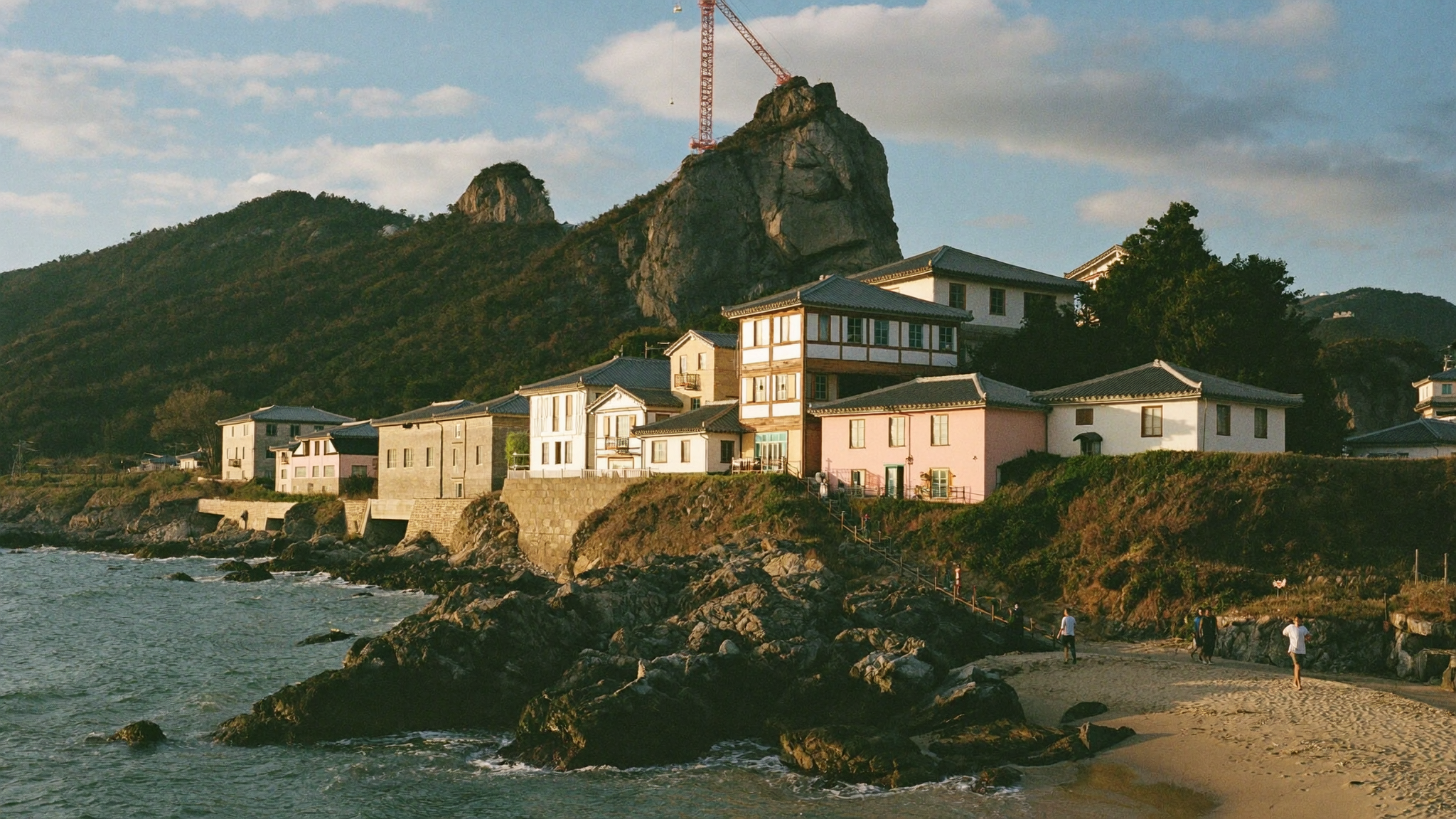
German Village is one of the most photographed spots on the island, and its backstory is more interesting than its Instagram feed suggests. In the 1960s and 1970s, thousands of Koreans — many of them nurses and miners — were sent to work in West Germany as part of Korea’s economic development program. Decades later, the county government invited some of these returnees to settle here, building a neighborhood of colorful, European-style houses on a hillside overlooking the sea.
Today, the village is a relaxed cluster of cafes, craft shops, and a German Culture Experience Center where you can learn about the miners’ and nurses’ history. Sunset terraces along the hillside are popular for coffee with a view, and if you visit in October, don’t miss the Oktoberfest-style Beer Festival, complete with German food stalls and live music.
Boriam Hermitage (보리암)
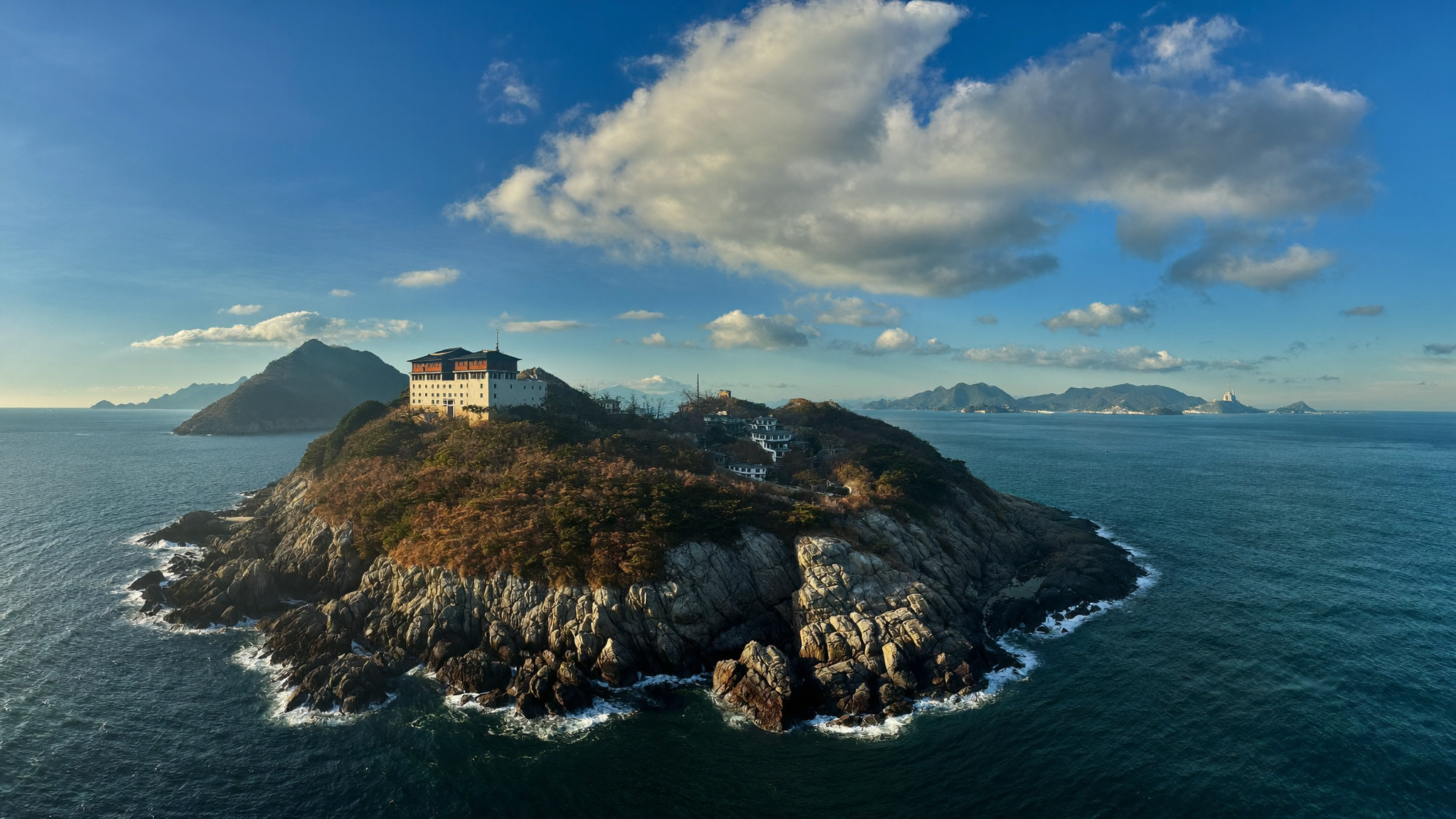
Perched on the cliffs of Geumsan (Mt. Geum, 681 meters), Boriam Hermitage is this island’s spiritual centerpiece. It was founded in 683 AD by the monk Wonhyo Daesa and is regarded as one of Korea’s three great Gwaneum (Avalokiteshvara) sacred sites, alongside Bomunsa on Ganghwa Island and Naksansa in Yangyang.
Legend holds that Yi Seong-gye, founder of the Joseon dynasty, prayed here for 100 days before rising to the throne — reportedly how the mountain earned its name, Geumsan, or “Brocade Mountain.” Whatever you believe of the legend, the real draw is the view: Boriam looks out over the scattered islands of Hallyeo Marine National Park, and sunrise here is one of the most celebrated views in the country. Arrive early, dress warmly even in summer, and expect a short uphill walk from the parking area.
Gacheon Daraengi Village Rice Terraces (다랭이마을)
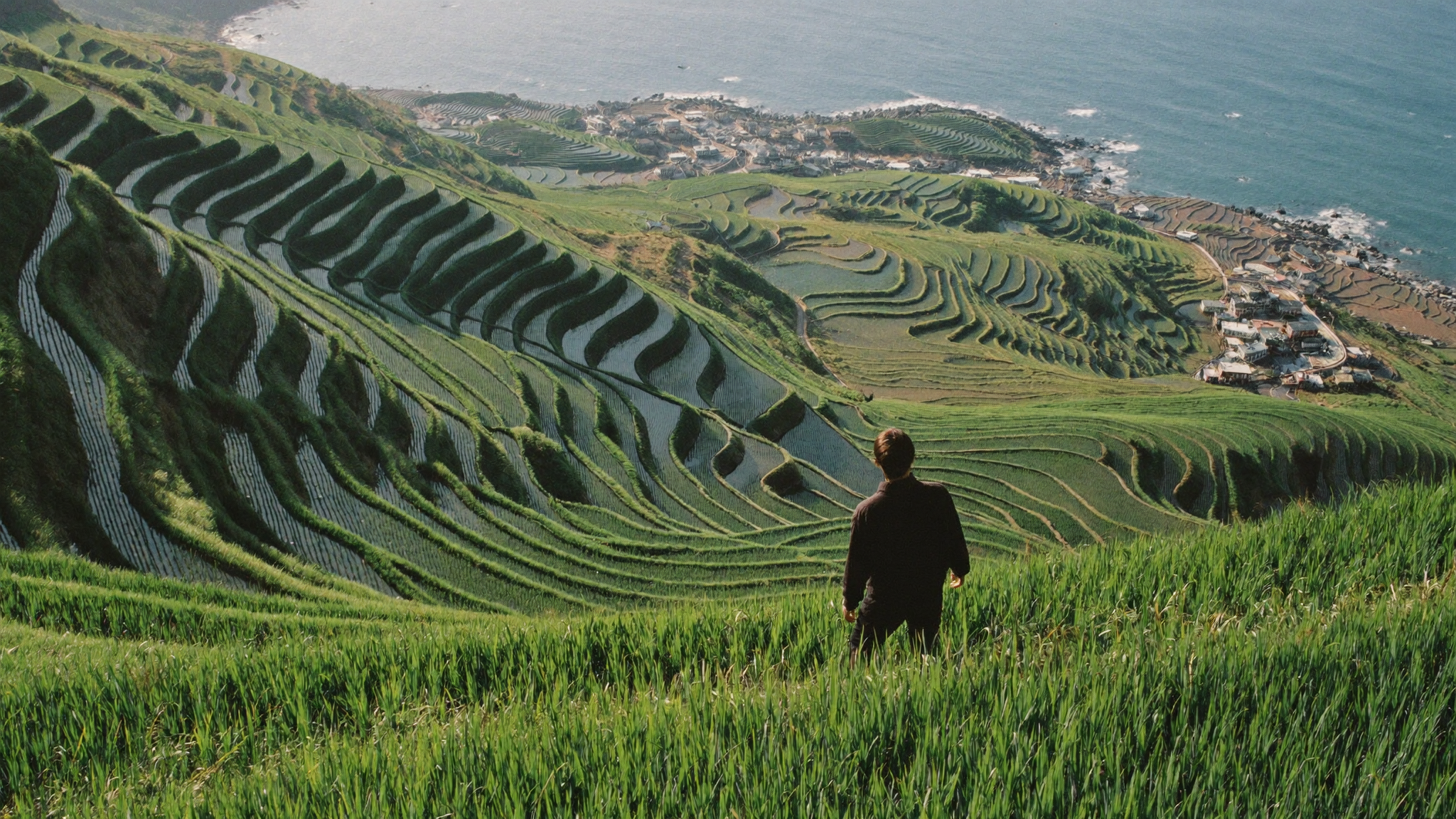
Roughly 100 narrow, stepped rice terraces cascade down a steep slope to the sea at Gacheon Daraengi Village, forming one of Korea’s most striking agricultural landscapes. Farmers have worked this hillside for generations, shaping the terraces by hand to catch every inch of usable land above the coastline.
The terraces look different depending on the season: in late spring, the flooded paddies mirror the sky, and by autumn harvest they turn a rich gold. Either way, the walking paths through the village offer some of the best photo opportunities around, and a handful of small cafes let you sit and take in the view without rushing. Korea.net has a nice feature on the hidden charms of Namhae that covers the terraces in more depth.
Sangju Silver Sand Beach (상주은모래비치)
Framed by mountains on three sides, Sangju Silver Sand Beach is a crescent-shaped bay often ranked among Korea’s most beautiful beaches. The sand has a distinctive silvery tone, the water stays calm thanks to the surrounding topography, and the beach is backed by a popular campground (around ₩8,000 per tent per night) that fills up fast in summer. Even outside peak season, it’s worth a stop for a walk along the shore and a seafood lunch at one of the beachfront restaurants.
Namhae Bridge and Seolli Skywalk (설리스카이워크)
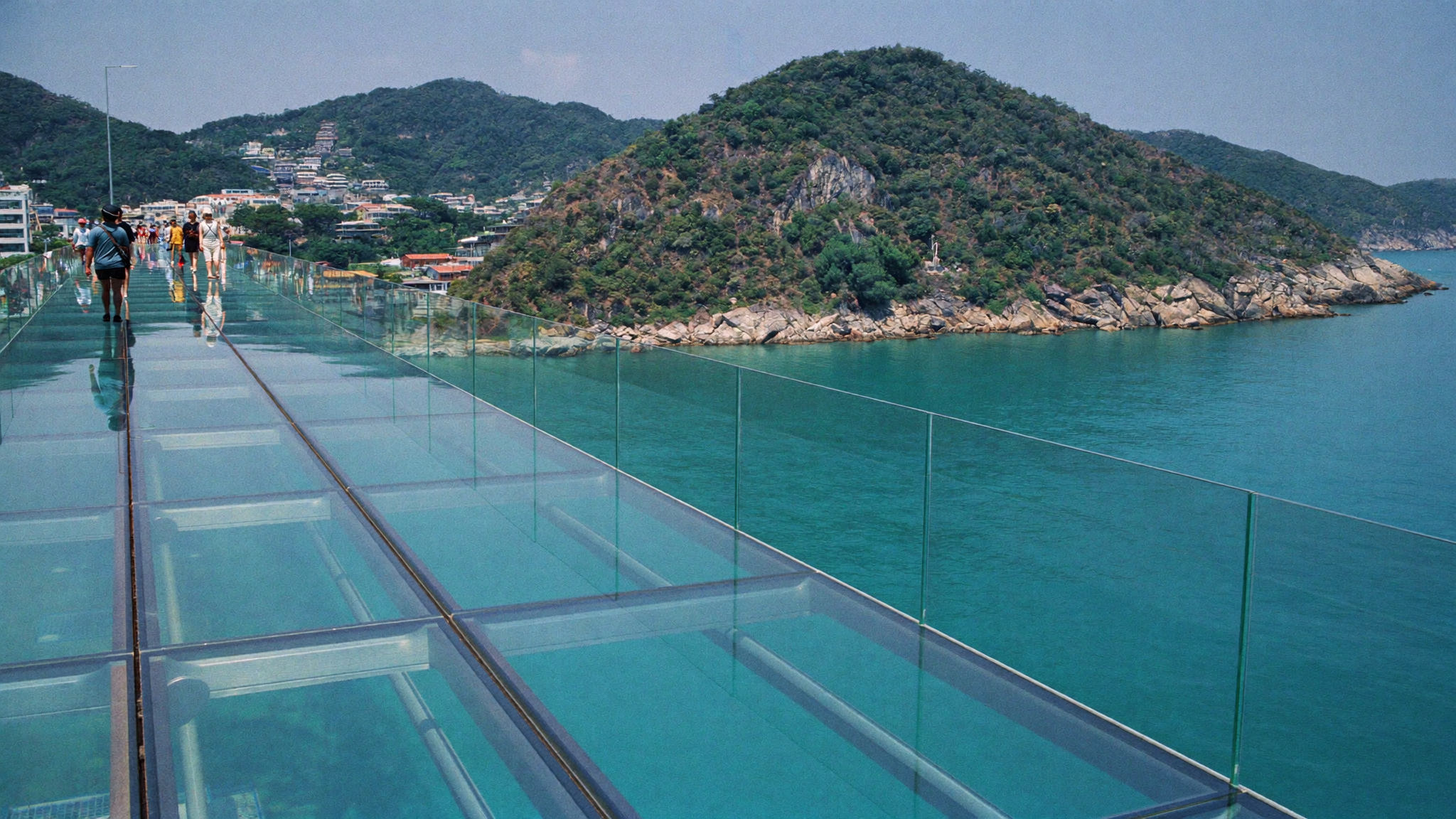
Near the Namhae Bridge, the Seolli Skywalk is a glass-floor observation deck built as Korea’s first asymmetrical cantilever bridge. It stretches 79 meters long and sits 36 meters above the ground, with panoramic views over the coastline and the bridge itself. It’s a quick stop — 20 to 30 minutes is enough — but a memorable one if you don’t mind glass floors.
Wangji Cherry Blossom Road
This 5-kilometer coastal route runs from Namhae Bridge to Wangji Village and is lined with more than 1,100 cherry blossom trees, earning it a spot among Korea’s “100 Most Beautiful Roads.” In late March and early April, the pink blossoms bloom alongside bright yellow canola flowers and the sea, making it one of the most photogenic drives around — and one of the best reasons to time your trip for spring.
What to Eat in Namhae Island
The signature dish here is myeolchi ssambap — fresh raw anchovy wrapped in lettuce or perilla leaves with rice and a spicy sauce. It sounds unusual to first-timers, but the anchovies are caught locally and served incredibly fresh, and the wrap format makes it approachable even if you’re wary of raw seafood.
Beyond myeolchi ssambap, look out for the local garlic, which is regionally famous for its quality and shows up in everything from side dishes to seasoning. For dessert, yuja (yuzu) ice cream is a refreshing, citrusy way to cool down after a day of sightseeing. And because this is an island, fresh seafood is everywhere — beachfront restaurants near Sangju Beach and the smaller fishing villages are reliable spots for a seafood feast.
Where to Stay on Namhae Island
Accommodation options range from simple to memorable. Campgrounds near Sangju Silver Sand Beach are the cheapest option and hugely popular in summer, so arrive early or book ahead. Guesthouses and pensions are scattered across the island, with a concentration near German Village where sunset-view rooms book out quickly in cherry blossom season. Larger motels cluster near the main bus terminal in Namhae-eup, the county’s small central town, which is a convenient base if you want easy access to restaurants and a supermarket.
For a splurge, a handful of boutique stays overlooking Hallyeo Marine National Park near Boriam Hermitage offer some of the best sunrise views on the island. Whichever option you pick, book ahead for spring weekends and the October Beer Festival, when rooms fill up fast.
What to Pack for Namhae Island
Because so much of a Namhae Island trip happens outdoors — hiking to Boriam Hermitage, walking the Daraengi rice terraces, strolling Sangju Silver Sand Beach — comfortable walking shoes matter more than anything else you’ll pack. The uphill path to Boriam can be slippery after rain, so shoes with good grip are worth prioritizing over fashion.
Layers are useful year-round: coastal wind can be sharp even in spring, and the hermitage’s cliffside viewpoint is noticeably cooler than the villages below. A light rain jacket, sunscreen, and a reusable water bottle round out the essentials. If you plan to camp at Sangju Beach, bring your own gear, since rental equipment on site is limited and fills up quickly in summer.
Sample 1–2 Day Itinerary
Day 1
- Morning: Arrive, pick up your rental car, and head to Boriam Hermitage for the cliffside views over Hallyeo Marine National Park.
- Midday: Drive to Gacheon Daraengi Village for a walk through the rice terraces and a local lunch nearby.
- Afternoon: Continue to Sangju Silver Sand Beach for a relaxed walk along the shore.
- Evening: Head to German Village for sunset, coffee on a hillside terrace, and dinner.
Day 2
- Morning: Visit the Seolli Skywalk near Namhae Bridge for panoramic coastal views.
- Midday: Drive the Wangji Cherry Blossom Road (spectacular in spring, scenic year-round) toward Wangji Village.
- Afternoon: Try myeolchi ssambap for lunch, pick up some local garlic to take home, and head back toward Busan or Seoul.
If you only have one day, prioritize Boriam Hermitage, Gacheon Daraengi Village, and German Village — they capture the spiritual, agricultural, and cultural sides of the island in a single loop.
Namhae Island Travel Budget Breakdown
This destination is affordable by international standards, especially if you’re coming from Busan rather than Seoul. Here’s a rough per-person daily budget:
- Bus from Busan Seobu Terminal: approximately ₩15,000–20,000 one-way
- Bus from Seoul Nambu Bus Terminal: approximately ₩34,900 one-way
- Rental car (shared among 2–4 people): roughly ₩60,000–90,000 per day plus fuel
- Camping at Sangju Silver Sand Beach: around ₩8,000 per tent per night
- Guesthouse or motel room: roughly ₩50,000–100,000 per night
- Meals (myeolchi ssambap, seafood, cafes): roughly ₩10,000–25,000 per meal
- Attraction entry fees: mostly free or under ₩3,000 (Boriam Hermitage parking and shuttle fees apply)
A comfortable two-day, one-night trip for a couple splitting a rental car can realistically be done for around ₩150,000–250,000 per person on Namhae Island, excluding long-distance bus fare from Seoul. Traveling in a larger group brings the per-person rental car cost down considerably, which makes Namhae Island an easy add-on for a group road trip along the south coast.
Tips for Japanese and Chinese Travelers
Namhae Island is far less internationally touristed than Seoul or Busan, so a little preparation goes a long way for visitors from Japan and China.
Safety
The island is very safe, even in rural areas and at night. Petty crime is rare, and locals are generally helpful to visitors who look lost, even across a language barrier.
Booking Transport
Intercity bus tickets can be booked in advance through Korean bus reservation apps or websites, some of which offer English interfaces. During peak spring cherry blossom season and autumn harvest weekends, booking a few days ahead is strongly recommended. If you don’t read Korean, screenshot your seat and time details before boarding.
Cash vs. Card
Credit cards (Visa, Mastercard, UnionPay) are widely accepted at guesthouses, restaurants, and rental car counters, but smaller family-run restaurants and market stalls near Gacheon Daraengi Village or Sangju Beach may be cash-only. Carry some Korean won, and consider a T-money transit card if you plan to use local buses.
Translation Apps
Papago (Naver’s translation app) handles Korean menus and signage more reliably than most general translation apps, and it works offline once you download the language pack — useful in the more rural corners of the island where signal can be patchy. Google Maps and Naver Map (or Kakao Map) are both useful for driving directions, though Naver Map is generally more accurate for Korean addresses.
Frequently Asked Questions About Namhae Island
Is it worth visiting?
Yes — Namhae Island offers a mix of scenery (cliffside temples, rice terraces, beaches) and culture (German Village) that’s hard to find elsewhere in Korea, and it’s far less crowded than Jeju or the major cities.
How many days do you need?
Two days is enough to cover the highlights comfortably; one very full day works if you’re short on time and prioritize Boriam Hermitage, Gacheon Daraengi Village, and German Village.
Do I need a car?
A rental car is strongly recommended. Public buses reach the main attractions but run infrequently, which can eat up a lot of your day if you’re not driving.
What is Namhae Island famous for?
It is famous for German Village, Boriam Hermitage’s sunrise views, the Gacheon Daraengi Village rice terraces, Sangju Silver Sand Beach, and its signature dish, myeolchi ssambap (raw anchovy wraps).
When is the best time to visit?
Spring (late March to early April) is best for cherry blossoms and canola flowers along the Wangji Cherry Blossom Road, but the island is scenic year-round, with an October Beer Festival at German Village and golden rice terraces in autumn.
Can I visit as a day trip from Busan?
Yes. With buses taking about 2 to 2.5 hours from Busan Seobu Terminal, a focused day trip covering two or three highlights is realistic, though an overnight stay lets you see far more without rushing.
Can I combine Namhae Island with other south coast cities?
Yes — Namhae Island sits close enough to Tongyeong and Yeosu that a south coast road trip combining all three is realistic in about four or five days, with Namhae Island as the more laid-back, nature-focused stop between the two.
Final Thoughts: Is Namhae Island Worth the Trip?
Namhae Island rewards travelers who are willing to rent a car, drive a little further than usual, and trade guaranteed crowds for a quieter, more textured side of Korea. Between the cliffside sunrise at Boriam Hermitage, the rice terraces at Gacheon Daraengi Village, and the unexpected charm of German Village, it’s easy to fill two days without ever feeling rushed.
If you’re building out a longer south coast itinerary, this island pairs naturally with Tongyeong, Yeosu, and the tea fields of Boseong — all within a few hours’ drive of each other. For more inspiration on exploring beyond the capital, check out our Korea travel tips for planning the rest of your trip.