If you want to add a place to your Korea itinerary that feels completely different from Seoul, this Damyang travel guide is for you. Tucked into the green hills of Jeollanam-do about four hours south of the capital, Damyang is Korea’s undisputed bamboo capital — home to the country’s most photographed forest, a mile-long avenue of towering metasequoia trees, and a food culture built almost entirely around bamboo. It’s exactly the kind of low-key regional destination that Japanese and Chinese travelers have quietly turned into a bucket-list stop, while most Western guidebooks still barely mention it.
In this guide, we’ll walk through everything you need for a smooth 2026 trip: the Juknokwon bamboo forest, the Metasequoia Road that keeps showing up on Instagram, the Damyang Bamboo Festival, where to eat bamboo rice, how to actually get there from Seoul or Gwangju, and a full one-day itinerary you can copy directly.
Table of Contents
- Why Damyang Belongs on Your Korea Itinerary
- Juknokwon Bamboo Forest: Damyang’s Must-See Attraction
- Metasequoia Road: The Instagram-Famous Avenue
- Damyang Bamboo Festival 2026
- What to Eat in Damyang: A Bamboo Cuisine Guide
- Bamboo Crafts and Shopping in Damyang
- How to Get to Damyang from Seoul and Gwangju
- Best Time to Visit Damyang
- Where to Stay Near Damyang
- Budget Guide: How Much Does a Damyang Day Trip Cost
- A Perfect 1-Day Damyang Itinerary
- Nearby Day Trips from Damyang
- Photography Tips for Damyang
- Damyang Travel Guide: Frequently Asked Questions
- Final Thoughts on Visiting Damyang
Why Damyang Belongs on Your Korea Itinerary
Most first-time visitors to Korea build their trip around Seoul, Busan, and maybe Jeju. Damyang rarely makes that list, which is exactly why it’s worth the detour. This small county in Jeollanam-do province has spent decades cultivating one identity: bamboo. Everything here — the forest walks, the festivals, the restaurants, even the local handicrafts — circles back to the towering bamboo groves that have grown on these hills for centuries.
For Japanese and Chinese travelers who have already covered Seoul’s palaces and Busan’s beaches, Damyang offers something rarer: a quiet, green, almost meditative escape that still photographs beautifully and comes with a genuinely unique food scene. It’s also small enough to see thoroughly in a single day, making it an easy add-on to a Gwangju or Jeolla-region trip. Travelers researching a Damyang travel guide online will notice how few English-language sources cover it in depth, which is exactly the gap this guide is meant to fill.
Juknokwon Bamboo Forest: Damyang’s Must-See Attraction
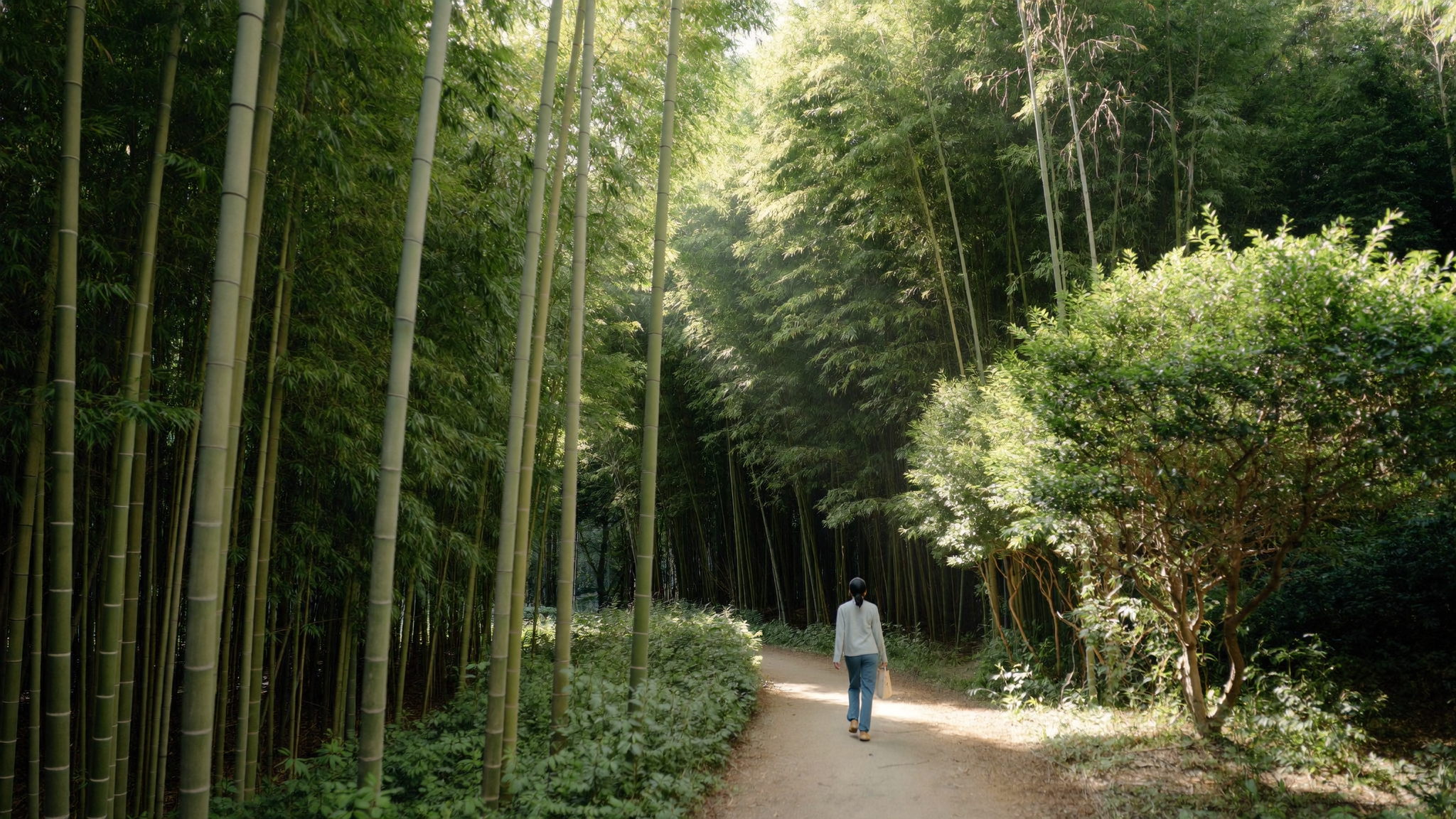
The centerpiece of any Damyang travel guide is Juknokwon, a cultivated bamboo forest covering roughly 160,000 square meters that opened to the public in 2003. Thousands of bamboo stalks rise 15 to 20 meters into the air, filtering sunlight into a soft green haze that makes the whole park feel like a different planet. Locals and travel writers alike call it the single most beautiful bamboo forest in Korea, and once you’re standing under the canopy, it’s easy to see why.
Walking Trails and Eight Themed Paths
Inside Juknokwon, a 2.2-kilometer network of paths is divided into eight themed sections with names like “Path of Great Fortune” and “Childhood and Bamboo Horse Path.” Each one winds through slightly different bamboo densities, so even a single loop feels varied. The park also has ecological exhibition halls, an artificial waterfall, a lotus pond, and an outdoor performance venue, so budget at least 90 minutes to two hours if you want to see it properly.
Night Bamboo Forest Lighting
What a lot of visitors don’t realize is that Juknokwon installs special forest lighting for evening visits, transforming the bamboo grove into a warm, glowing maze after dark. If your schedule allows it, a night visit is one of the most underrated things to do in Damyang — the crowds thin out and the atmosphere turns almost cinematic.
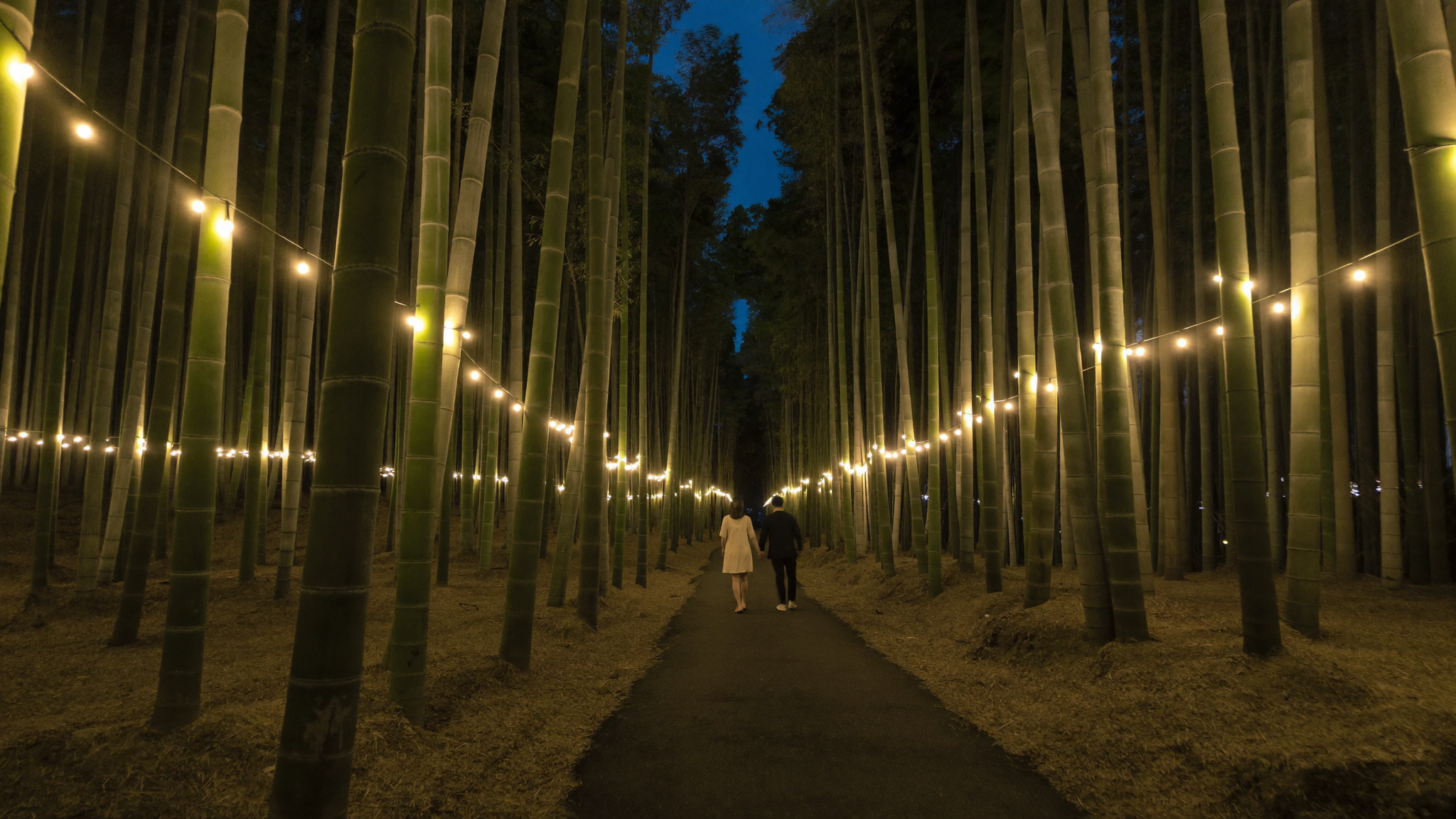
Admission is inexpensive — around 3,000 won for adults, 1,500 won for teenagers, and 1,000 won for children — and the park is open 09:00–19:00 from March through October and 09:00–18:00 from November through February, with last admission 30–60 minutes before closing. For the most current hours and ticket details, the official Visit Korea Juknokwon page is the most reliable source.
Metasequoia Road: The Instagram-Famous Avenue
Just a short walk from Juknokwon, Metasequoia Road is a two-kilometer stretch lined with towering metasequoia trees that were planted decades ago and have since grown into one of the most photographed avenues in the Jeolla region. The road is beautiful in every season, but it becomes genuinely spectacular in autumn, when the leaves turn a deep amber and the whole avenue glows in the afternoon light.
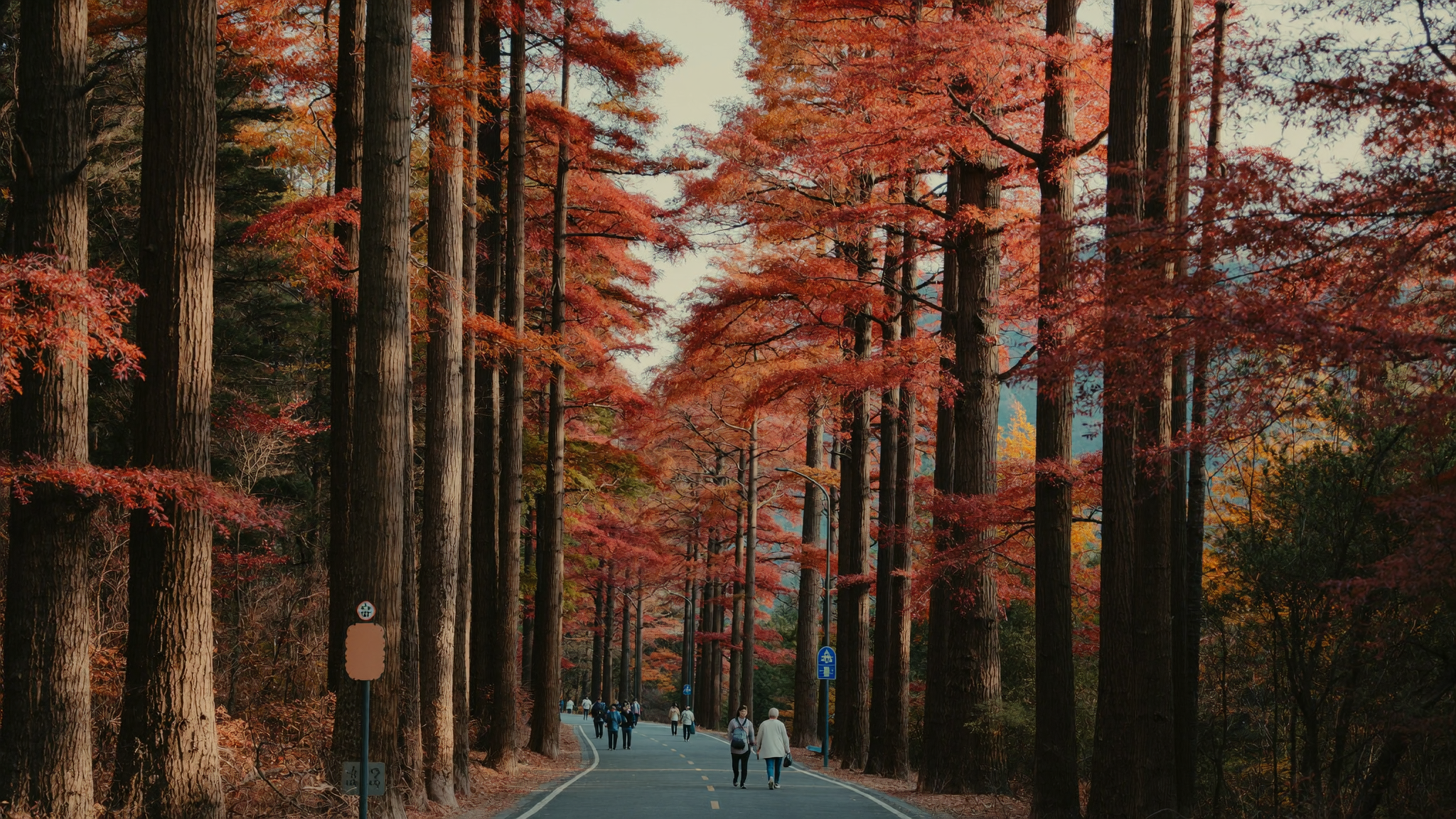
Directly across from Juknokwon sits Gwangbangjerim Forest, another popular fall-foliage spot that pairs well with a Metasequoia Road walk. Bring a camera with a wide lens if you have one — the symmetry of the tree-lined path is what makes this stretch such a magnet for photographers and K-drama location scouts alike.
Damyang Bamboo Festival 2026
If your trip lines up with early May, don’t miss the Damyang Bamboo Festival, scheduled for May 1–5, 2026. The festival turns Juknokwon and the surrounding riverside area into a five-day celebration of everything bamboo, with local Damyang cuisine served on the lawn, live traditional performances, craft demonstrations, and interactive events for kids and adults. It’s the single best time of year to experience Damyang’s identity as Korea’s bamboo capital in full swing, and it draws a noticeably international crowd, including a growing number of visitors from Japan and China.
Even outside festival dates, the county hosts smaller seasonal events, so it’s worth checking the local tourism calendar before you lock in your travel dates.
What to Eat in Damyang: A Bamboo Cuisine Guide
Damyang’s food scene leans heavily on one ingredient, and it does not disappoint. The signature dish is daetongbap, rice steamed inside a whole bamboo tube along with nuts, jujubes, and grains, which infuses the rice with a faint, clean bamboo fragrance you won’t find anywhere else in Korea. Restaurants near Juknokwon serve it as part of a full set with a dozen or more banchan side dishes, making it a filling and memorable lunch stop.
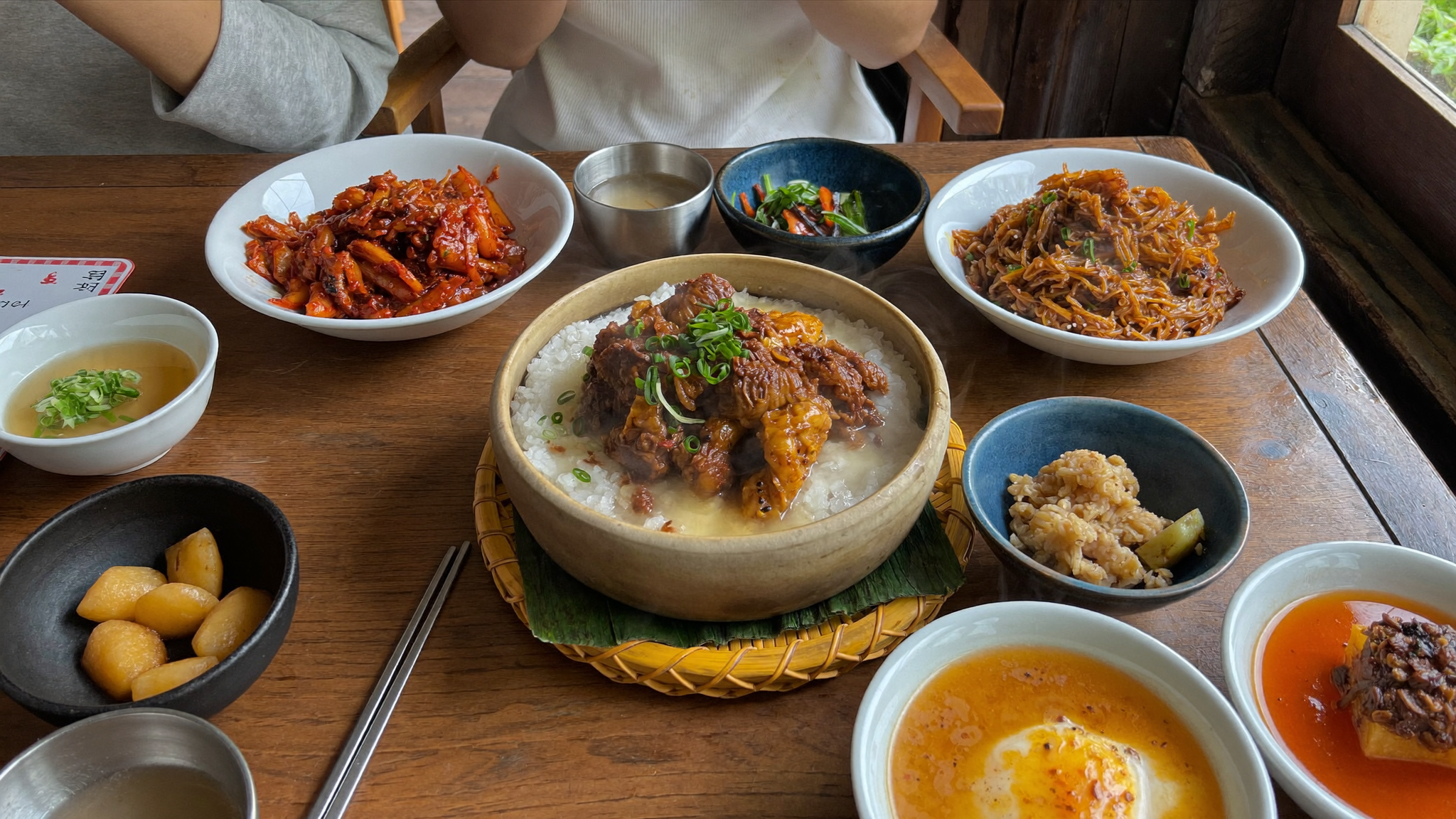
Other local specialties worth seeking out include bamboo-smoked duck, bamboo shoot side dishes in spring, and tteokgalbi (seasoned grilled short rib patties), which is a Damyang regional specialty in its own right. If you enjoyed the hearty regional cooking in our Jeonju travel guide, Damyang’s food culture will feel like a natural continuation of the same Jeolla-province culinary tradition, just built around bamboo instead of fermented sauces.
Bamboo Crafts and Shopping in Damyang
Damyang has been a center of Korean bamboo craftsmanship for generations, and that history is on full display near Juknokwon’s entrance and around the Damyang Bamboo Crafts Museum. Artisans here still hand-weave baskets, fans, mats, and the traditional bamboo backscratchers that Korean grandmothers swear by, alongside more modern items like bamboo cutting boards, tea sets, and bluetooth speakers built into hollowed bamboo shells. It’s one of the few places in Korea where buying a souvenir actually supports a centuries-old regional craft rather than a mass-produced import.
The Damyang Bamboo Crafts Museum, a short walk from the forest entrance, is worth 20–30 minutes even if you’re not planning to shop — it lays out the history of bamboo weaving in the region and shows tools that have barely changed in a hundred years. If you’re the kind of traveler who likes bringing home something with a story attached, this is a better stop than the gift shops back in Seoul.
How to Get to Damyang from Seoul and Gwangju
There’s no direct train to Damyang, so most visitors combine a train or bus with a short local connection.
- Direct bus from Seoul: Express buses run from Seoul’s Central City Express Bus Terminal (Express Bus Terminal Station, Seoul Subway Lines 3, 7, and 9) directly to Damyang, typically around ₩14,900 for a roughly four-hour ride.
- Via Gwangju by KTX: Take the KTX to Gwangju Songjeong Station, then transfer to a local bus or taxi. Intercity buses 301, 303, 311, and 312 all run between the Gwangju Bus Terminal area and Damyang, with bus 311 running about every 15 minutes.
- Local transport in Damyang: Once you arrive, rural buses 311 and 322 are the most frequent routes around Damyang-eup, though most travelers find it easiest to simply walk between Juknokwon and Metasequoia Road, since they’re close together.
For up-to-date bus schedules and platform numbers, cross-check the current timetable on Wikivoyage’s Damyang page before you travel, since rural bus intervals can shift seasonally.
Best Time to Visit Damyang
Damyang works as a day trip almost any time of year, but each season has a different personality. Spring brings fresh bamboo shoots and mild hiking weather. Summer keeps the bamboo forest noticeably cooler than the surrounding streets, since the dense canopy blocks direct sun — genuinely useful if you’re traveling in Korea’s humid July and August. Autumn is peak season for Metasequoia Road, when the leaves turn amber and the road becomes one of the most photographed in the country. Winter is quieter and colder, but the bamboo stays green year-round, so it’s still a striking, uncrowded walk.
If you want festival energy on top of the scenery, plan around the Damyang Bamboo Festival in early May.
Where to Stay Near Damyang
Damyang itself has a limited number of small guesthouses and pensions, many of them family-run and close to the river. Most travelers, however, base themselves in nearby Gwangju, which has far more hotel options, better transport connections, and a lively food and cafe scene of its own, then take a day trip out to Damyang. If you’re combining Damyang with other Jeolla-region stops, our Suncheon Bay travel guide covers another excellent overnight base in the same province.
Budget Guide: How Much Does a Damyang Day Trip Cost
One of the best things about adding Damyang to your Korea itinerary is how inexpensive it is compared to major city sightseeing. Here’s a rough breakdown for a solo traveler doing a day trip from Gwangju:
- Round-trip local bus from Gwangju: roughly ₩6,000–8,000
- Juknokwon admission: ₩3,000
- Daetongbap lunch set: ₩12,000–15,000
- Coffee or snack break: ₩5,000–7,000
- Bamboo craft souvenir: ₩10,000–30,000 depending on the item
All in, most travelers can cover Juknokwon, Metasequoia Road, lunch, and a souvenir for well under ₩50,000 per person, which is a fraction of what a comparable day in Seoul’s palace district or Myeongdong shopping area would cost. If you’re coming directly from Seoul rather than basing yourself in Gwangju, simply add the express bus fare of around ₩14,900 each way.
A Perfect 1-Day Damyang Itinerary
Here’s a realistic schedule that covers Damyang’s highlights without feeling rushed:
- 9:00 AM: Arrive via bus from Gwangju or Seoul and head straight to Juknokwon before the midday crowds arrive.
- 9:15–11:00 AM: Walk the eight themed paths through the bamboo forest, stopping at the exhibition hall and lotus pond.
- 11:15 AM–12:30 PM: Cross over to Metasequoia Road and Gwangbangjerim Forest for photos.
- 12:30–1:30 PM: Lunch at a local restaurant for daetongbap and banchan.
- 2:00–3:30 PM: Browse Damyang’s bamboo craft markets or, if it’s festival season, join the riverside events.
- 4:00 PM onward: Head back toward Gwangju for dinner and an evening bus or train connection.
If you’re visiting in the evening and want to catch the illuminated night forest, flip the schedule and arrive in the afternoon instead, saving Juknokwon’s night lighting for last.
Nearby Day Trips from Damyang
Because Damyang sits so close to Gwangju, it pairs naturally with several other Jeollanam-do highlights. Suncheon Bay’s wetlands and reed fields are roughly an hour and a half away and make an excellent add-on if you have two days rather than one. Jeonju’s hanok village and food alley are a bit further but still reachable within a day, and travelers coming from Seoul often combine a bamboo-and-hanok itinerary covering both towns. If you’re building a broader itinerary and want general planning advice before you go, our Korea travel tips guide for first-time visitors is a good starting point.
For an outside perspective on the area’s other attractions and up-to-date visitor reviews, Tripadvisor’s Damyang Juknokwon page is a useful cross-check when you’re finalizing your plans.
Photography Tips for Damyang
Damyang is one of the most photogenic stops in this entire region of Korea, but a few small habits make a big difference in your photos. At Juknokwon, arrive within the first hour of opening — the morning light filters through the bamboo canopy at a lower angle and creates much softer, more dramatic shafts of light than midday sun does. Shoot upward along the bamboo stalks with a wide-angle lens to capture the sense of scale, and don’t be afraid to underexpose slightly to keep the green canopy from blowing out.
On Metasequoia Road, the classic shot is straight down the center of the avenue with the trees converging in the distance, which works best in the late afternoon in autumn when the low sun backlights the leaves. If you’re visiting Juknokwon at night for the illuminated bamboo forest, bring a tripod or at minimum brace your phone against a railing — the ambient lighting is warm and atmospheric but dim enough that handheld shots often blur. Even a modern smartphone will do surprisingly well here as long as you steady it against something solid.
Damyang Travel Guide: Frequently Asked Questions
Is Damyang worth visiting as a day trip from Seoul?
Yes. While it’s a long day — roughly four hours each way by direct bus — Damyang’s bamboo forest, Metasequoia Road, and food scene are distinctive enough that most travelers say it was worth the trip. If you have more flexibility, basing yourself in Gwangju for a night makes the trip far less rushed and lets you catch the evening bamboo forest lighting too.
How long do you need at Juknokwon?
Plan for 90 minutes to two hours to walk the main themed paths comfortably, longer if you want to see the exhibition hall, lotus pond, or catch a performance at the outdoor venue. Photography enthusiasts often stay closer to three hours.
Is Damyang expensive to visit?
No — it’s one of the more affordable regional stops in Korea. Entry to Juknokwon costs just a few thousand won, and a full daetongbap lunch set typically runs under ₩15,000 per person, which is considerably cheaper than comparable sightseeing days in Seoul.
What is the best month to visit Damyang?
Late October to early November is widely considered the best window, when Metasequoia Road’s autumn colors peak and the weather is still comfortable for walking. Early May is also excellent if you want to catch the Damyang Bamboo Festival and cooler spring temperatures.
Can you visit Damyang without a car?
Yes. Direct express buses run from Seoul, and frequent local buses connect Gwangju to Damyang. Once you’re in Damyang-eup, Juknokwon and Metasequoia Road are close enough to walk between, so a rental car is genuinely optional rather than necessary.
Final Thoughts on Visiting Damyang
A good Damyang travel guide should leave you with one clear takeaway: this is one of the easiest, most rewarding regional detours in Korea. In a single day you get a world-class bamboo forest, an Instagram-famous tree-lined avenue, a food specialty you can’t get anywhere else, a living bamboo-craft tradition, and — if your timing is right — a genuinely fun spring festival. It’s calm where Seoul is chaotic, and green where Busan is blue, and that contrast is exactly why it’s worth the trip for travelers who have already checked the big cities off their list.
Ready to plan the rest of your Jeolla-region trip? Check out our guides to Jeonju and Suncheon Bay to build out a full multi-day itinerary around Damyang, and bookmark this page so you have the bus routes, festival dates, and budget numbers handy before you go.


