Table of Contents
- What’s Happening in Korea Right Now?
- The Background: Why Did This Start?
- What Are Koreans Actually Saying?
- What This Reveals About Korean Culture
- How Does This Compare Internationally?
- Conclusion
What’s Happening in Korea Right Now?
If you scroll through Korean food media this week, one word keeps showing up: boyangsik. Seoul’s five-star hotels are in the middle of a very public, very delicious rivalry, each one rolling out a premium spin on the “stamina foods” Koreans traditionally eat to survive the hottest stretch of summer. This year the competition has gone upscale fast, and it is exactly the kind of trend that says a lot about how Korea treats food as both medicine and status symbol.
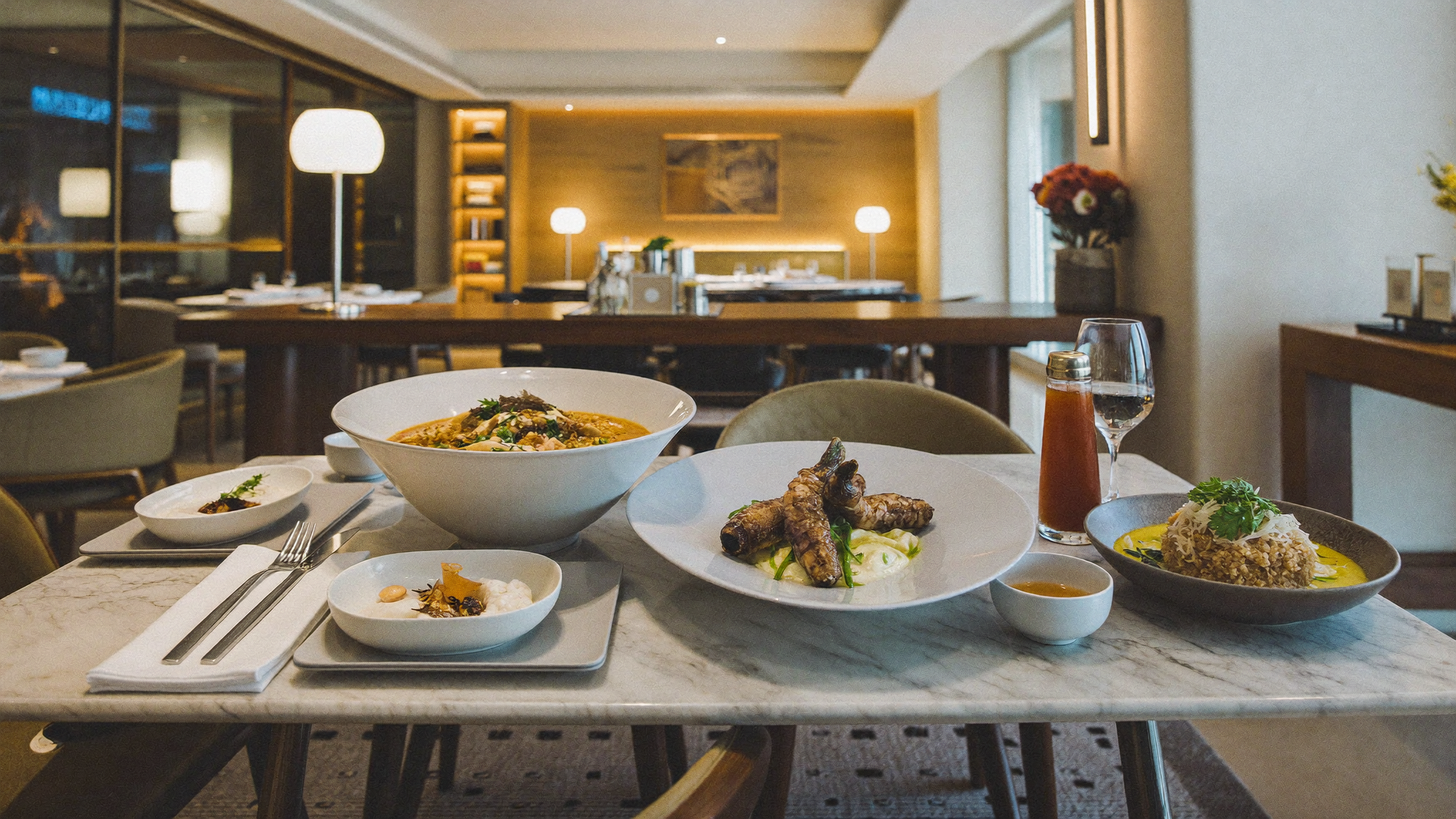
Le Meridien Seoul Myeongdong has folded boyangsik dishes into the buffet at its restaurant La Palette Paris through August 31, with teriyaki freshwater eel, baeksuk (whole chicken soup with neungi mushrooms), croaker sashimi, and hanwoo beef tartare on rotation, priced from 79,000 won for weekday lunch up to 139,000 won for dinner and weekend seatings. The Westin Seoul Parnas answers with a stamina-dish rotation built around croaker, eel, and sea bass at its restaurant On:Table, running July 1 through August 31 at 173,000 won per person. Meanwhile, Park Hyatt Seoul has added a seven-course “Symphony” menu that opens with lobster ravioli in doenjang broth, and Andaz Seoul Gangnam has renewed its Korean restaurant Jogakbo Kitchen around a chilled watermelon-and-dongchimi soup followed by croaker, eel, and abalone.
In other words: the humble bowl of chicken soup that Korean grandmothers have served for generations just checked into a five-star hotel.
The Background: Why Did This Start?
To understand why hotels are fighting over stamina food, you need to understand boknal — the three hottest days of the Korean lunar calendar, known as chobok, jungbok, and malbok. For centuries, Koreans have believed that the body’s energy drains away during these punishing weeks of heat and humidity, and that the antidote is to eat something restorative and warming, even in 33-degree weather. That is the philosophy behind boyangsik: literally, “nourishing food.”
The signature dish is samgyetang, a whole young chicken stuffed with glutinous rice, ginseng, jujube, and garlic, simmered until the meat falls off the bone. Eel, croaker, and abalone are the other classic boknal proteins, prized for being rich in protein and easy to digest in the heat. This isn’t a fringe folk belief — on the hottest days of the year, samgyetang restaurants across Seoul routinely have lines out the door, and delivery apps see a spike in orders for the dish.
What’s new is who is serving it. Boyangsik used to be strictly the domain of old-school, unpretentious restaurants — the kind with plastic stools and decades-old recipes. Watching Four Seasons-tier hotels reinterpret it with hanwoo tartare and lobster ravioli marks a real shift in how Korean tradition and luxury hospitality are colliding.
For visitors curious about the wider food scene, our Seoul Food Guide 2026 covers the city’s best markets and street food, while our Gangnam District Hotel Guide is a useful companion if you want to stay near several of the hotels mentioned above.
What Are Koreans Actually Saying?
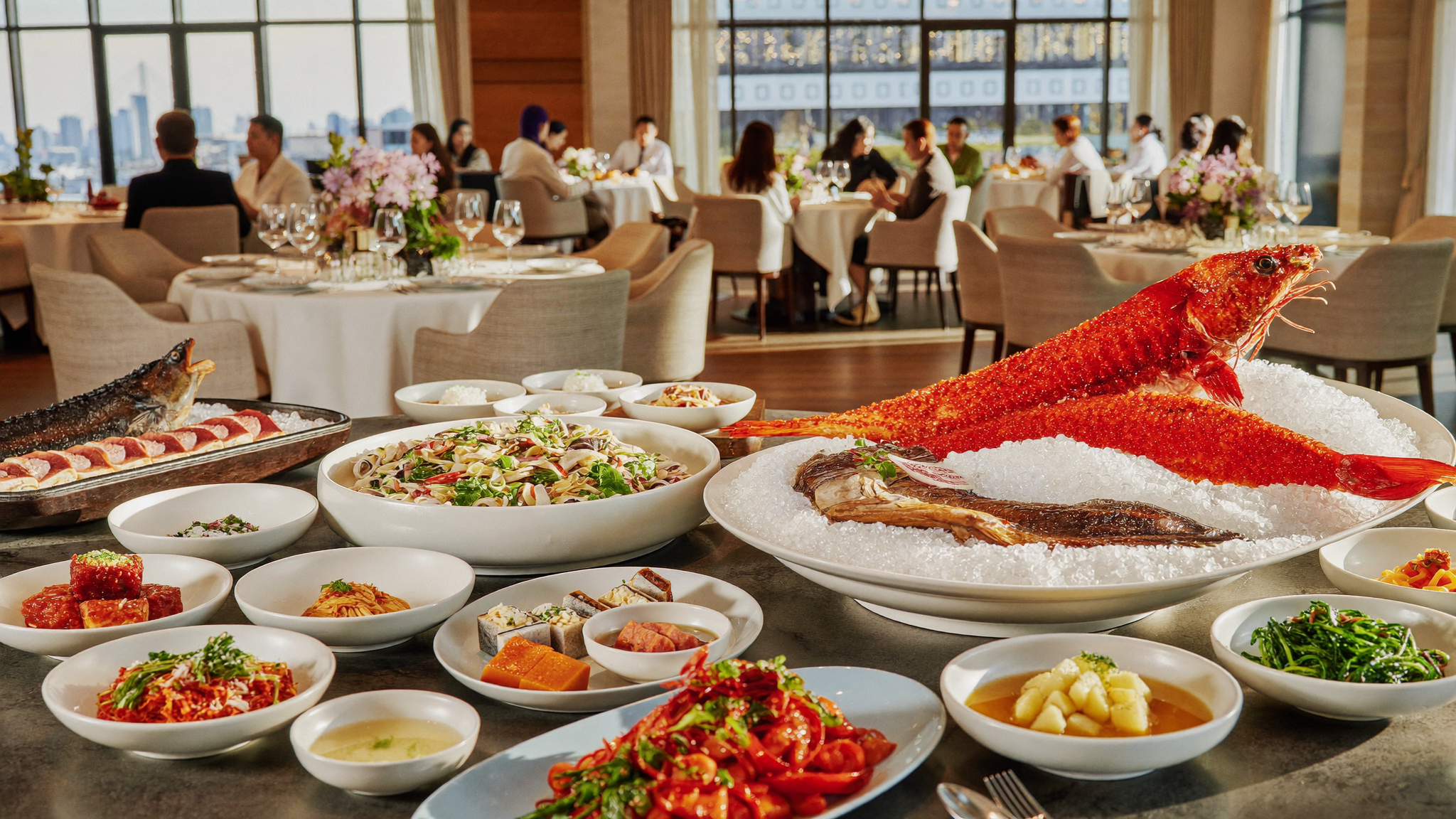
Reaction online is split along fairly predictable generational lines. Older diners and food traditionalists see the hotel boyangsik trend as validation — proof that a dish their parents swore by is finally getting the fine-dining respect they always felt it deserved. Younger diners, particularly those active on Korean food blogs and Naver communities, are more focused on the price tag: a bowl of samgyetang at a neighborhood restaurant costs around 16,000 to 20,000 won, while the hotel versions bundled into tasting menus can run ten times that.
Still, the demand is real. Hotel restaurant bookings during boknal season consistently sell out weeks in advance, and “boyangsik” plus the name of a five-star hotel is a recurring search combination on Korean portals every July. Food influencers frame it as a once-a-year splurge rather than an everyday meal — treating it the way some people treat an omakase dinner: a ritual, not a routine.
What This Reveals About Korean Culture
The boyangsik boom is a small window into a much bigger idea in Korean culture: food as preventative medicine. Unlike a lot of Western food traditions, where “comfort food” and “health food” are often treated as opposites, Korean cuisine has long blurred that line. Ginseng, jujube, and garlic aren’t just flavorings in samgyetang — they’re believed to actively restore the body’s energy, a concept rooted in traditional Korean medicine (hanbang) that still shapes everyday eating habits.
There’s also a class dimension worth noticing. As boyangsik moves upmarket, it becomes a marker of both cultural literacy and disposable income — you’re not just eating stamina food, you’re eating it at the Westin. That tension between tradition and luxury, between a dish your grandmother made for free and a version that costs 173,000 won, is a recurring theme across Korean food culture right now, visible in everything from convenience-store gourmet kimbap to Michelin-starred tteokbokki.
How Does This Compare Internationally?
Korea isn’t alone in having a seasonal “eat this to survive summer” tradition — China has its own summer solstice dumpling and noodle customs, and Southeast Asian countries lean on cooling soups and fruit. But the specifically Korean twist is the medicinal framing: boyangsik isn’t just seasonal comfort food, it’s positioned as functional food, not unlike the recent global obsession with “adaptogens” and wellness tonics in Western wellness culture. Seoul’s hotels essentially discovered they could sell the concept of wellness dining using a tradition that Korean households have quietly practiced for hundreds of years.
If you want the original reporting that sparked this piece, The Korea Herald’s coverage of the hotel boyangsik season is worth a read, and the official Visit Korea site also lists boknal food customs among its cultural travel guides.
Conclusion
Whether you see it as clever marketing or a genuine cultural moment, the 2026 boyangsik season is a reminder that in Korea, food, medicine, and hospitality are rarely separate categories. If you’re visiting Seoul this summer, chasing down a bowl of samgyetang — whether at a hole-in-the-wall or a five-star hotel buffet — is one of the most authentic seasonal experiences you can have.
Planning a Seoul trip this summer? Check out our full Seoul Food Guide for more must-try dishes, and browse our Best Tteokbokki in Seoul guide while you’re at it.