If you have scrolled Korean social media this month, you have probably seen the word eommisae (엄미새) everywhere. Eommisae is the viral slang label that Korean Gen Z proudly uses to declare one thing: ‘I am crazy about my mom.’ Instead of hiding how close they are to their mothers, young Koreans in 2026 are posting cafe selfies, shopping hauls, and travel vlogs starring mom as their favorite companion. The eommisae trend has become one of Korea’s hottest talking points, and it reveals a lot about how Korean family culture is changing.
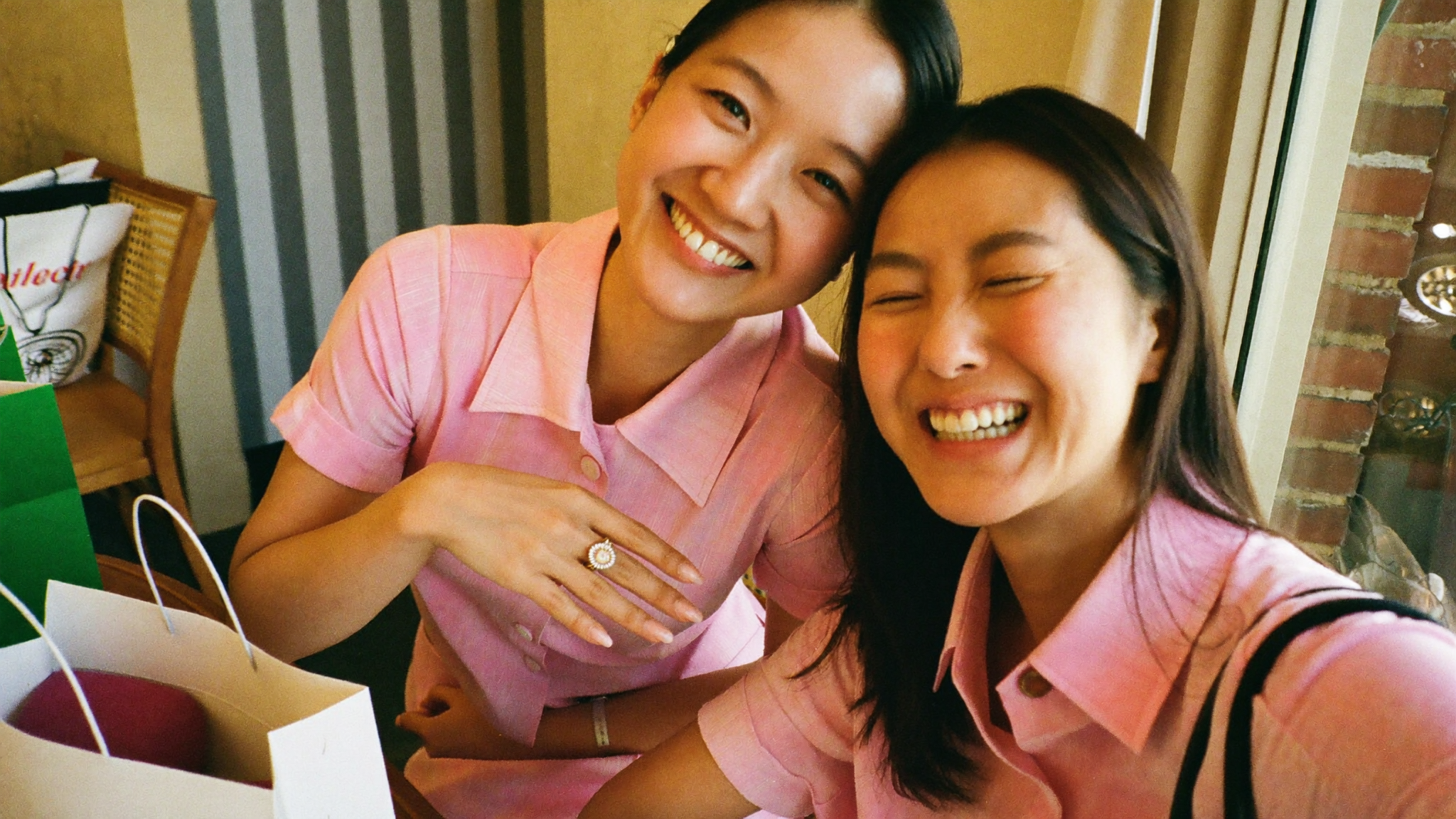
Table of Contents
- What Is Eommisae? Korea’s Newest Viral Word
- The Background: Why Did the Eommisae Trend Start?
- What Are Koreans Actually Saying?
- What Eommisae Reveals About Korean Mom Culture
- How Does the Korean Gen Z Trend Compare Internationally?
- Conclusion: Experience Korea’s Mom-and-Me Culture
What Is Eommisae? Korea’s Newest Viral Word
Eommisae is a shortened form of the Korean phrase ‘eomma-e michin sae-kki,’ which translates roughly — and very bluntly — to ‘someone crazy about their mom.’ The expression sounds harsh in literal translation, but in everyday use it works like an affectionate badge of honor. Calling yourself eommisae in Korea today means you would rather grab dessert with your mother than with a date, and you are not embarrassed to admit it. There is even a sibling term, eonmisae, for people obsessed with their older sisters.
According to SBS News, the term spread rapidly across Instagram, YouTube and Threads in 2026 as young Koreans began sharing photos and videos of themselves shopping, traveling and dining with their mothers, proudly adopting the label. Many describe their mothers as their best friends — a framing that would have sounded unusual in Korea only a decade ago.
The Background: Why Did the Eommisae Trend Start?
Several forces pushed the eommisae phenomenon into the mainstream. First, Korean Gen Z is marrying later — or not at all — which means the parent-child relationship stays central well into adulthood. Second, many young Koreans still live with their parents due to housing costs, so mom is literally the closest companion available. We covered how housing pressure shapes young Koreans’ life choices in our post on Korea’s early marriage and housing trend.
Third, today’s mothers in their 50s are different from previous generations. They grew up with pop culture, know how to use Instagram, and share tastes with their kids — from cafe-hopping in Seongsu to K-drama binge-watching. The generational gap that once made ‘hanging out with mom’ feel uncool has narrowed dramatically. Analysts quoted by Nate News also point to the pandemic years, when families spent more time together and many young people rediscovered their parents as people, not just providers.
What Are Koreans Actually Saying?
Scroll Korean Threads or Instagram and the eommisae confessions are everywhere. One viral post from a mother of a high-school senior joked that her daughter and all her friends call themselves eommisae, constantly saying things like ‘Mom is my favorite person’ and ‘I want to live with mom forever.’ Marketing platforms like Careet now advise brands to design campaigns around mother-daughter dates, noting that the ‘mom-and-me’ consumer segment is one of the fastest-growing in Korea.
Not everyone is uncritical, of course. Some commentators worry the trend romanticizes dependence, and others note that the crude literal wording of eommisae makes older Koreans uncomfortable. But the dominant tone online is warm: mother-appreciation memes, ‘mom tax’ jokes about buying mom dessert, and proud captions like ‘lifetime eommisae.’
What Eommisae Reveals About Korean Mom Culture
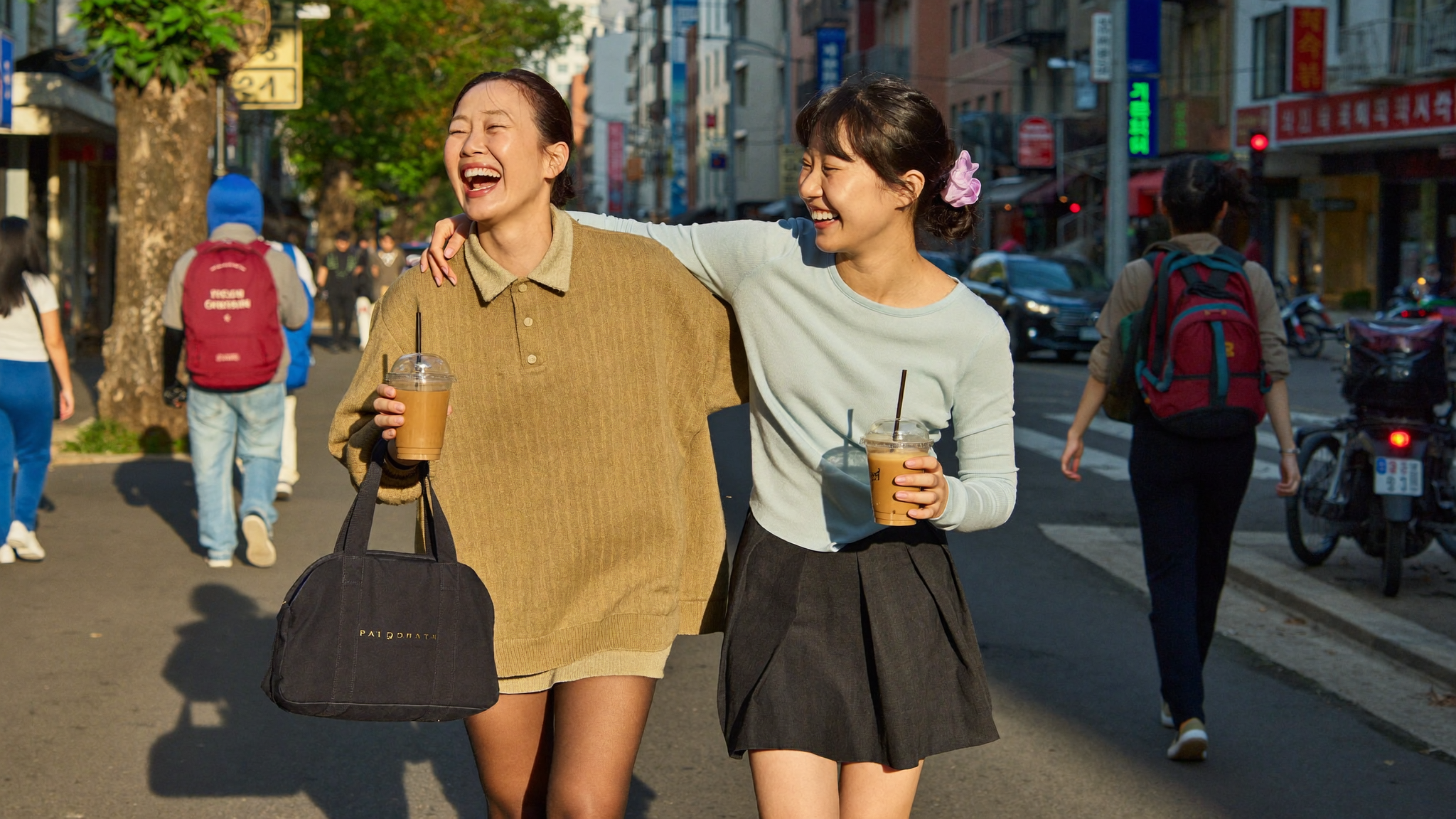
The most fascinating part of the eommisae trend is how it flips an old stigma. In the past, a Korean man overly attached to his mother risked being labeled a ‘mama boy’ — a genuine dating red flag. Eommisae reframes closeness with mom as emotional intelligence rather than immaturity. It celebrates jeong, the deep Korean concept of affectionate attachment, in its most universal form: the bond between mother and child.
It also reflects a broader shift in the Korean Gen Z trend landscape: young Koreans increasingly find comfort in small, safe, emotionally warm experiences — the same impulse behind the squishy-toy craze we explored in Korea’s mallangi and wakppu stress-relief trend. In an era of economic anxiety, mom is the ultimate comfort content.
How Does the Korean Gen Z Trend Compare Internationally?
Korea is not alone. In the West, millennials and Gen Z have popularized ‘mom is my best friend’ content on TikTok for years, and Italy has long joked about the mammone who never leaves mama’s cooking. What makes the Korean version distinctive is its speed and branding: Korea compresses a social mood into a single catchy neologism, and within weeks it shapes advertising, variety shows and news coverage. It is the same linguistic engine that turns Korean internet slang into global vocabulary — much like the viral language moments we covered in the Kany Korean Challenge on TikTok.
For visitors, the practical takeaway is charming: expect to see mother-daughter pairs in matching outfits at Seoul’s hottest cafes, and do not be surprised if your Korean friend cancels plans because it is ‘mom date day.’
Conclusion: Experience Korea’s Mom-and-Me Culture
Eommisae is more than a funny word — it is a snapshot of Korean society in 2026: later marriages, closer families, and a generation that treats mom as a best friend, travel buddy and style consultant all at once. If the eommisae trend inspires you to plan your own mother-and-me trip to Seoul, browse our neighborhood guides and travel tips here on Unboxing Korea, and travel light so you have a free hand to hold mom’s coffee. Planning a family trip to Korea? Explore our Seongsu-dong guide for the perfect mom-date itinerary.