
KOREAN FOOD · SUMMER STAMINA CLASSIC
Samgyetang Guide 2026: 7 Essential Tips You’ll Love
Korea’s boiling-hot answer to the hottest days of summer — what it is, what it costs, and where to eat it.
Every July, something strange happens in Seoul. On the hottest days of the year, locals line up in the sun — sometimes for an hour — to eat a boiling pot of chicken soup. That soup is samgyetang (삼계탕), a whole young chicken stuffed with rice and ginseng, and it is one of the most beloved dishes in Korea. If you visit in summer, eating it once is practically mandatory.
This guide explains everything a first-time visitor needs: what samgyetang actually is, why Koreans eat it on boknal (the “dog days” of summer), realistic 2026 prices, the most famous restaurants in Seoul, and exactly how to order when you don’t speak Korean.
Suitcase broke or too small? A new one at your Seoul hotel front desk within 2 hours — from $89, open 24/7.
In This Guide
- What Is Samgyetang? Korean Ginseng Chicken Soup Explained
- Boknal: Why Koreans Eat Hot Soup on the Hottest Days
- What Samgyetang Costs in 2026
- Where to Eat Samgyetang in Seoul
- Variations Worth Ordering
- How to Order Samgyetang Like a Local
- Fitting a Soup Lunch Into Your Seoul Day
- 7 Essential Samgyetang Tips for First-Timers
- Samgyetang FAQ
What Is Samgyetang? Korean Ginseng Chicken Soup Explained
Samgyetang (삼계탕) literally means “ginseng chicken soup”: sam (삼) is ginseng, gye (계) is chicken, and tang (탕) is soup. It is a whole young chicken — small enough that one bird serves one person — stuffed with glutinous rice, fresh ginseng, garlic, and jujubes (Korean red dates), then simmered until the meat is falling off the bone.
The soup arrives at your table still bubbling in a black earthenware pot called a ttukbaegi (뚝배기). The broth is milky, savory, and gently herbal rather than spicy — a rare thing in Korean cuisine, and a lifesaver if your group includes someone who can’t handle heat. Everything in the pot is edible except the bones and, if you prefer, the ginseng root itself.
If you’re used to Western chicken soup, think of this as its more serious cousin: a whole bird instead of shredded meat, rice cooked inside the chicken instead of noodles on the side, and a broth designed to make you feel restored rather than just fed. It’s also naturally gentle food — no chili, no fermented funk — which makes it one of the easiest Korean dishes for cautious eaters, kids, and anyone with a tired stomach after a long flight.
What’s Inside the Pot
- Yeonggye (영계) — a whole young chicken, usually 45–55 days old, tender enough to pull apart with a spoon.
- Chapssal (찹쌀) — glutinous rice packed inside the bird, which cooks into a savory porridge.
- Insam (인삼) — fresh ginseng root, the ingredient that gives the dish its name and its faintly bitter, earthy note.
- Daechu (대추), garlic, and often ginkgo nuts or chestnuts — jujubes add sweetness; garlic mellows into something almost buttery.
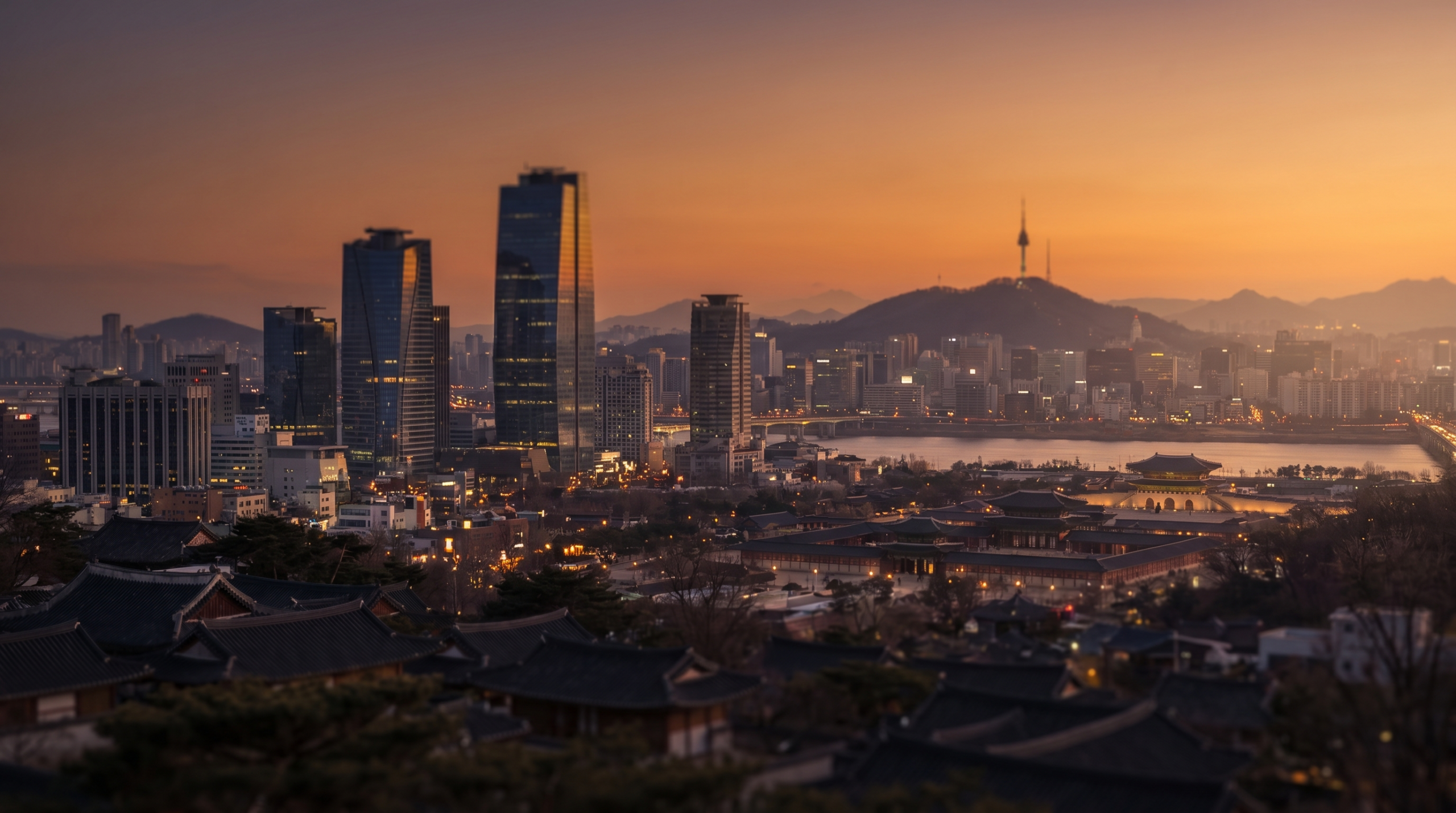
A Royal-Era Stamina Food
Koreans have long treated chicken-and-ginseng dishes as boyangsik (보양식) — restorative “stamina food” eaten to recover strength. The logic is simple: in brutal heat you sweat, you lose your appetite, and you get run down. A protein-rich, easily digestible soup with warming herbs was the traditional remedy, and modern Korea has kept the habit enthusiastically alive.
Today the dish is so mainstream that convenience stores sell retort-pouch versions and famous specialty restaurants serve thousands of bowls a day in July. But the version worth planning your day around is the one made fresh in a ttukbaegi at a dedicated samgyetang house.
Boknal: Why Koreans Eat Hot Soup on the Hottest Days
Here’s the part that surprises every visitor. Koreans deliberately eat this boiling soup on the three hottest days of the lunar calendar, known collectively as sambok (삼복) or the boknal (복날) days. The philosophy is called yiyeol chiyeol (이열치열) — “fight heat with heat.” Sweating over a hot, nourishing soup is believed to restore the energy the summer steals from you.
The three days are chobok (초복, the first), jungbok (중복, the middle), and malbok (말복, the last). In 2026 they fall on July 15 (chobok), July 25 (jungbok), and August 14 (malbok). On these dates, soup specialists across Korea are packed from open to close.
It’s a genuine national event. Offices order the soup for whole teams, supermarkets run promotions on young chickens and ginseng, and the evening news runs footage of the longest restaurant queues. Historically, several dishes competed for the boknal table — including dak-baeksuk (whole chicken simmered without ginseng) and eel or mung-bean porridge — but the ginseng-stuffed version won the modern era and is now the default choice for the day.
Should You Visit on a Boknal Day?
It depends on your patience. Eating this soup on chobok alongside hundreds of locals is a genuine cultural experience — the queues themselves are part of the spectacle. But if you just want the food, go a few days before or after, or arrive right when the restaurant opens. The soup tastes identical on July 14.
If you’re in Korea during this period anyway, our Seoul summer survival guide covers how to handle the heat between meals — and pairing a boknal lunch with an icy bowl of naengmyeon (cold noodles) the next day is the classic Korean summer one-two punch.
What Samgyetang Costs in 2026
Samgyetang sits in the mid-range of Korean solo dining. According to price-tracking data reported by the Korea Herald, the average price of a bowl in Seoul reached about ₩18,154 (roughly US$12) in spring 2026 — the highest in the country, with most other regions around ₩17,000.
At the famous specialty houses, expect to pay a little more: classic samgyetang around ₩20,000 (about US$13), and premium versions — like ogolgye (오골계) black-chicken samgyetang or abalone samgyetang — several thousand won above that. Menus and prices change, so treat these as 2026 ballpark figures and confirm before ordering.
One bowl is a complete one-person meal: whole chicken, rice porridge, broth, and side dishes like kkakdugi (깍두기, cubed radish kimchi) are all included. There’s no need to order anything extra unless you want a seafood pancake to share.
Where to Eat Samgyetang in Seoul
You can find samgyetang in Seoul on almost any restaurant street, but two institutions dominate every local’s shortlist. Both are within walking distance of major palace and downtown sights, so they slot easily into a sightseeing day.

Tosokchon Samgyetang (토속촌) — Gyeongbokgung
The most famous samgyetang restaurant in Korea, set in a sprawling hanok-style building a short walk from Gyeongbokgung Palace (5 Jahamun-ro 5-gil, Jongno-gu). Despite having hundreds of seats, it draws queues year-round — and epic ones on boknal days. The broth here is thicker and more intense than most, and the black-chicken version has a devoted following. Classic samgyetang runs around ₩20,000.
Goryeo Samgyetang (고려삼계탕) — City Hall
Operating since 1960 and listed on Korea’s official tourism guides (see VisitKorea), this downtown stalwart near City Hall Station (1 Seosomun-ro 11-gil, Jung-gu) serves a cleaner, lighter broth. It’s a convenient stop if your day covers Deoksugung Palace, Myeongdong, or Cheonggyecheon Stream.
Beyond the Famous Names
Don’t stress if you can’t make it to either. Any restaurant with 삼계탕 on its signboard — especially one with grandmothers at the tables — will serve a solid bowl, often a few thousand won cheaper. Neighborhood spots in Hongdae, Insadong, and around Gwangjang Market are reliably good, with little or no wait outside boknal week. Seoul’s official tourism site, VisitSeoul, also maintains English listings of well-known soup specialists if you want more options near your hotel.
Samgyetang Variations Worth Ordering
Most specialty houses list a few upgrades beyond the classic bowl. None are mandatory, but knowing them helps you read the (usually short) menu with confidence.
- Ogolgye-tang (오골계탕) — made with a black-boned silkie chicken. The meat looks striking, tastes slightly gamier, and is traditionally considered the most restorative version. Usually the priciest item on the menu.
- Jeonbok samgyetang (전복 삼계탕) — with abalone added to the pot, popular on the coast and on Jeju. A luxurious, briny twist on the classic.
- Nurungji-style pots — some houses scorch the rice slightly for a toasty, nutty broth reminiscent of nurungji (crispy rice). Worth trying if you see it.
- Dak-baeksuk (닭백숙) — the ancestor dish: whole chicken simmered with garlic and rice but little or no ginseng, usually sized for two or more people to share.
First visit? Order the classic. The upgrades are fun for a second bowl, but the standard version is the benchmark every Korean judges a restaurant by.
Queue for Soup, Not With Suitcases
Standing in a July queue outside Tosokchon with a 25 kg suitcase is nobody’s idea of fun. Unboxing Korea delivers your luggage between Incheon Airport and your Seoul hotel — or hotel to hotel — the same day, so you can chase the best bowls hands-free.
How to Order Samgyetang Like a Local
Ordering is refreshingly easy because specialty houses have short menus — often just three or four items. Point at 삼계탕 or say “samgyetang juseyo” (삼계탕 주세요, “samgyetang, please”) and hold up fingers for the number of bowls. Water, side dishes, and refills of kkakdugi are self-serve or brought automatically.
Season It Yourself
Samgyetang arrives deliberately under-salted. On your table you’ll find salt and pepper — many locals mix them into a little dipping pile on a side plate for the chicken, and season the broth to taste. Add the scallions early so they soften into the soup.
The Insam-ju Shot
Many specialty houses hand each diner a small cup of insam-ju (인삼주), ginseng liquor. Tradition offers two options: drink it as an aperitif, or pour it into the soup for a deeper herbal flavor. Either is correct — and it’s fine to skip it entirely.

How to Actually Eat It
There’s no elegant way, and nobody expects one. Pull the chicken apart with your spoon and chopsticks, dip the meat in your salt-pepper mix, and let the stuffed rice tumble out into the broth to become porridge. Bones go in the empty side dish or the lid of the pot. Finish by drinking the broth straight from your spoon — it’s the best part.
Dietary Notes
The dish is naturally dairy-free and typically made without soy sauce or wheat, though broths vary by kitchen — if you have celiac disease or a severe allergy, show staff a translated note and confirm. It is not vegetarian and generally not halal-certified; halal-conscious travelers should look for certified restaurants in the Itaewon area instead. The portion is protein-heavy and filling, so come hungry.
Fitting a Soup Lunch Into Your Seoul Day
The two famous houses sit right on Seoul’s main sightseeing axis, which makes planning easy. Pair Tosokchon with a morning at Gyeongbokgung Palace: catch the royal guard change, walk ten minutes west into Seochon’s quiet alleys, and arrive at the restaurant just before the noon rush. Afterward, Bukchon Hanok Village and Insadong are a short walk or one subway stop away.
Goryeo Samgyetang works best on a downtown day: Deoksugung Palace and its stone-wall road, lunch near City Hall, then Cheonggyecheon Stream or Myeongdong shopping in the afternoon. Both plans slot neatly into our 3-day Seoul itinerary if you want the full route mapped out.
One practical warning: July in Seoul is hot, humid, and occasionally monsoon-wet. A hot-soup lunch is the perfect midday anchor precisely because it happens indoors, in air conditioning, during the most brutal hours of the day. Schedule outdoor palace walking for the morning, soup for noon, and museums or cafes for the afternoon.
7 Essential Samgyetang Tips for First-Timers
- Time your visit around boknal. Go on July 15, July 25, or August 14, 2026 for the full cultural spectacle — or dodge those exact dates for no queues and the same soup.
- Arrive before noon. Famous houses like Tosokchon fill fastest between 12:00 and 14:00. An 11:00 arrival usually means minimal waiting, even in July.
- Order one bowl per person. Each pot contains a whole chicken; sharing one between two adults leaves everyone hungry and confuses the staff.
- Season gradually. The broth intensifies as the rice thickens it. Salt lightly at first or the last third of the bowl will be too salty.
- Don’t fear the ginseng. The boiled root is mild and slightly sweet-bitter — take one bite before deciding. Leaving it is also completely acceptable.
- Beat the heat before and after. You will sweat. Dress light, and plan an air-conditioned museum, palace hall, or cafe stop afterward.
- Go hands-free. Checkout day is the worst day to queue for soup with bags in tow — send your luggage ahead and keep your hands free for the ttukbaegi.
Samgyetang FAQ
Is samgyetang spicy?
No. It’s one of the mildest dishes in Korean cuisine — a clean, savory, herbal chicken broth with no chili at all. The only spicy thing on the table is the radish kimchi served alongside, which you can simply skip.
Can I eat samgyetang if I don’t like ginseng?
Yes. The ginseng flavor in the broth is subtle — most first-timers describe the soup as “comforting chicken and rice” rather than medicinal. Leave the root itself in the pot if it’s not for you.
Is samgyetang only a summer dish?
It peaks in summer because of the boknal tradition, but specialty restaurants serve it year-round, and it’s arguably even more satisfying on a freezing January day. Off-season also means shorter lines at the famous spots.
How much should I budget for samgyetang in Seoul?
Plan on ₩18,000–₩22,000 (about US$12–14) per person at specialty restaurants in 2026, with premium black-chicken or abalone versions costing more. Prices change, so confirm the menu before ordering.
Can I take some home as a souvenir?
Sort of. Korean supermarkets and convenience stores sell shelf-stable retort pouches of the soup — a fun, cheap gift for food-curious friends. Note that many countries restrict importing meat products, so check your home country’s customs rules before packing any in your suitcase.
Eat Hot, Travel Light
Korean ginseng chicken soup is the rare dish that’s a meal, a history lesson, and a cultural ritual in one pot — and July is the perfect month to try it. Pair it with our Korean BBQ guide for dinner ideas, check the summer survival guide for staying cool, and let Unboxing Korea move your bags so the only thing you carry to the table is an appetite.