
UNBOXING KOREA · AIRPORT GUIDES
Turn Your Incheon Airport Layover Into the Best Part of the Trip
Nine tested ways to rest, eat and explore — inside the terminal or out in Seoul.
A long wait between flights doesn’t have to be wasted time. An Incheon Airport layover is one of the easiest layovers in the world to enjoy: Seoul’s mega-hub offers free showers, indoor gardens, a Korean-style sauna, capsule hotels — and even free guided tours that take you out of the terminal and bring you back in time for boarding.
This 2026 guide walks you through nine practical ideas, from staying comfortable inside the terminal to riding the express train into downtown Seoul. We checked every rule and price against current sources in July 2026, and we flag the things you should re-verify before you fly — because transit rules and schedules do change.
Suitcase broke or too small? A new one at your Seoul hotel front desk in about 2 hours — from $89, open 24/7.
In This Guide
- Incheon Airport layover basics: can you leave the airport?
- Free things to do at Incheon Airport (ideas 1–3)
- Spa, sauna and capsule hotels (ideas 4–5)
- Take a free Incheon Airport transit tour (idea 6)
- Incheon Airport to Seoul on your own (idea 7)
- Eat your way through the layover (idea 8)
- Go hands-free: luggage storage and delivery (idea 9)
- Sample layover itineraries by duration
- FAQ
Incheon Airport Layover Basics: Can You Leave the Airport?
Before you plan anything, two questions decide what kind of Incheon Airport layover you can have: how much time you have, and whether you’re allowed to pass through immigration. Get these right and everything else falls into place.
How much time do you need?
Under 4 hours: stay airside. Between connecting flights you’ll have enough time for a shower, a Korean meal and a stroll through the cultural zones, but leaving the secure area would be rushed and risky.
Between 4 and 24 hours: this is the sweet spot. You qualify for the free transit tour program, or — with roughly 7 hours or more — you can head into Seoul independently. Overnight layover? Book a capsule bed or sauna and sleep properly instead of curling up on a bench.
Visa and K-ETA rules for leaving the airport
If you stay airside for your whole connection, you generally need no visa, no K-ETA and no arrival card — just your passport and onward boarding pass. If you want to exit the terminal, normal entry rules apply to your nationality.
Good news for many travelers: citizens of 67 countries and territories — including the United States, the UK, Canada, Australia, Singapore, Japan and most EU states — are temporarily exempt from the K-ETA requirement, an exemption currently extended through 31 December 2026. Entry and transit rules are exactly the kind of thing that changes, so confirm your situation on the official K-ETA website and with your airline before you travel.
Free Things to Do at Incheon Airport
Even if you never leave the terminal, the list of free things to do at Incheon Airport is longer than most cities’ paid attractions. Here are the three we’d start with.
1. Free showers, nap zones and rest areas
Terminal 1 has free public showers in the airside area — near Gate 23 on the east side and Gate 28 on the west side, up on the 4th floor of the duty-free zone — with shampoo, conditioner and body wash provided. Terminal 2 counters with dedicated relax zones, nap zones, stretching rooms and shower rooms.
Add fast free Wi-Fi throughout both terminals and rows of reclining rest chairs, and you can arrive exhausted and board your next flight feeling human again — without spending a single won (₩, Korea’s currency).
2. Korean Cultural Street and the K-Culture Museum
On the 4th floor of Terminal 1, the Korean Cultural Street recreates a traditional lane with hanok (한옥, traditional Korean house) architecture — tiled roofs, pavilions and craft displays. It’s a genuinely photogenic first taste of Korea if this is your only stop in the country.
Over in the Transportation Center, the K-Culture Museum runs exhibitions and interactive displays on Korean culture old and new. Cultural performances also pop up around both terminals through the day — check the schedule screens as you pass.
3. Observation decks and indoor gardens
Both terminals have observation decks with wide views over the aprons and runways — a quiet spot to watch A380s lumber past with a coffee in hand (daytime hours only). Scattered indoor gardens make Incheon feel less like an airport and more like a botanical mall, which helps a lot on hour six of a long wait.
Rest Like a Local: Spa, Sauna and Capsule Hotels (Ideas 4–5)
4. Spa on Air (T1) and SPA at Home (T2)
A jjimjilbang (찜질방) is a Korean bathhouse-sauna where locals go to soak, steam and nap — and Incheon has its own. Spa on Air sits on the basement level of Terminal 1, landside near Arrival Hall Door 3, with hot tubs, showers and sleeping areas; entry starts from roughly US$7 and you can stay up to 12 hours.
Terminal 2 has SPA at Home, a 24-hour premium sauna and sleeping lounge on level B1. Both are ideal for overnight connections — arrive, soak away the flight, and sleep somewhere flat. Rates and hours change, so confirm current prices on arrival.
5. Darakhyu capsule hotel (다락休)
Prefer a private bed and a door that locks? Darakhyu is Incheon’s capsule hotel, with a branch on the 1st floor of the Terminal 1 Transportation Center and another serving Terminal 2. Compact smart rooms come with real bedding and shower access, bookable by the hour for day naps or overnight.
On busy nights capsules sell out, so reserve ahead if your Incheon Airport layover lands you here past midnight.
6. Take a Free Incheon Airport Transit Tour
This is the single best-kept secret of the airport: the free Incheon Airport transit tour program. If your connection is between about 4 and 24 hours, you can join a guided group tour — transport and guide included at no charge — and see palaces, temples, markets or Incheon’s own sights, then get dropped back at your terminal.
Tours run from roughly 1 to 6 hours. Shorter routes stick to Incheon city highlights; longer ones reach central Seoul’s traditional markets and royal palaces. Seasonal specials — cooking classes, cultural workshops — appear through the year.
How it works: book online up to two months ahead, or try your luck at the registration desks in both terminals — a share of seats is held for walk-ups, so a “sold out” website doesn’t always mean a full bus. Bring your passport and both boarding passes, and be at the desk at least 30 minutes before departure. Schedules, eligibility and desk locations shift, so check the official Incheon Airport transit tour page before you fly.
Remember: because you exit immigration, the K-ETA and visa rules from the basics section apply to the Incheon Airport transit tour too.
Landing in Korea to start your trip? Don’t drag suitcases through your layover plans. Unboxing Korea delivers your bags from Incheon Airport straight to your Seoul hotel the same day, so you walk out hands-free.
7. Incheon Airport to Seoul on Your Own
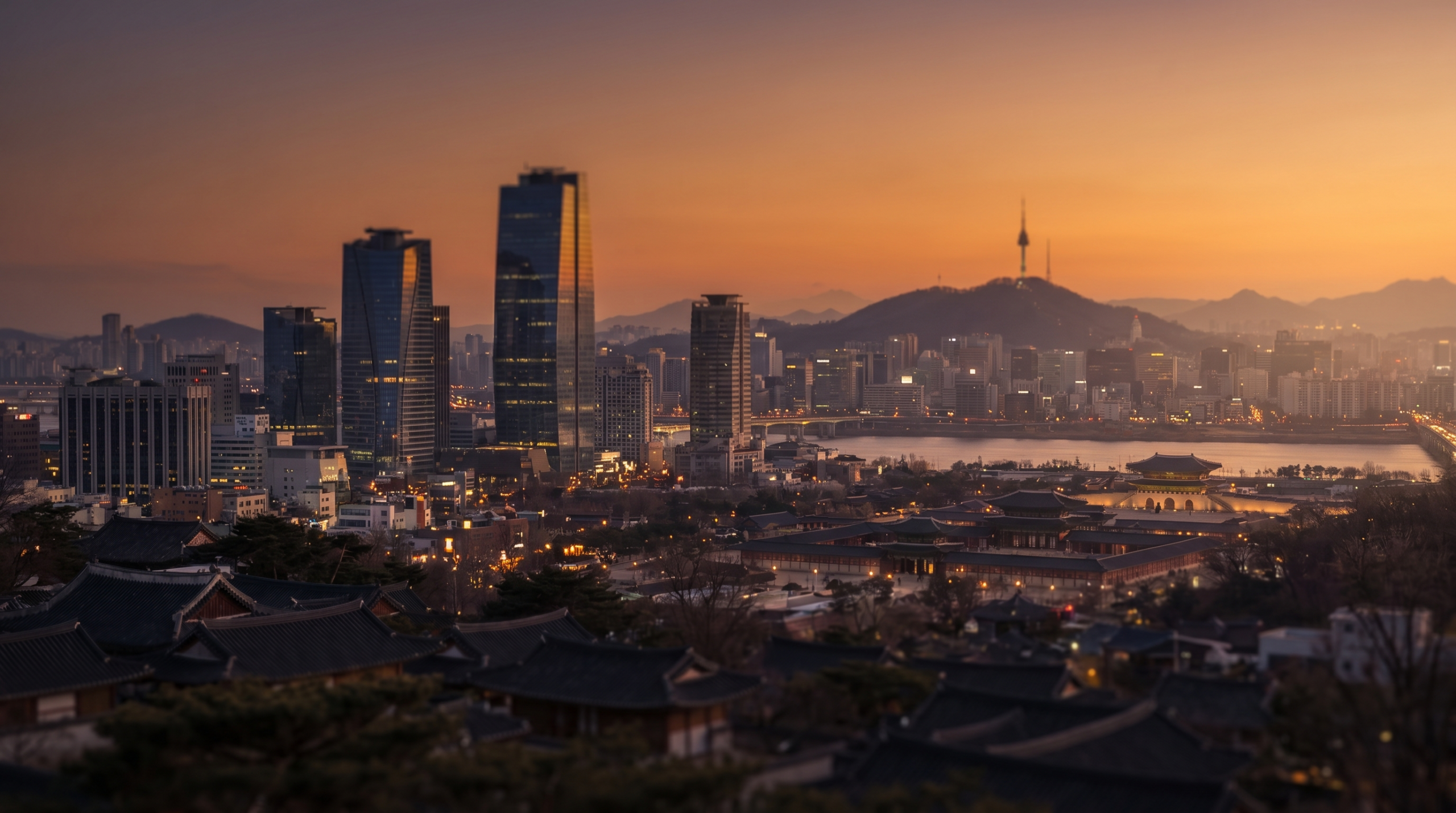
Got roughly 7 hours or more, and the right paperwork? Going from Incheon Airport to Seoul independently is easier than it sounds. The AREX Express train runs nonstop to Seoul Station in about 43 minutes from Terminal 1 (about 51 from Terminal 2), with reserved seats and luggage racks. On-site tickets cost ₩13,000 (about US$9.50, 2026 price); small online discounts are common.
The cheaper All Stop commuter train covers the same route with more stops, and it’s the one to take if you’re headed to Hongdae. Either way, budget your return so you’re back at the airport at least 3 hours before an international departure — Seoul traffic and security lines are not where you want to gamble.
With 6–8 free hours in the city, keep it simple: Gyeongbokgung Palace and Bukchon’s hanok lanes, street food at Gwangjang Market, or shopping in Myeongdong. Grab a T-money transit card to tap through subways and buses — our T-money card guide covers it in 5 minutes. For official route planning, the city’s Visit Seoul transport page is kept current.
8. Eat Your Way Through the Layover
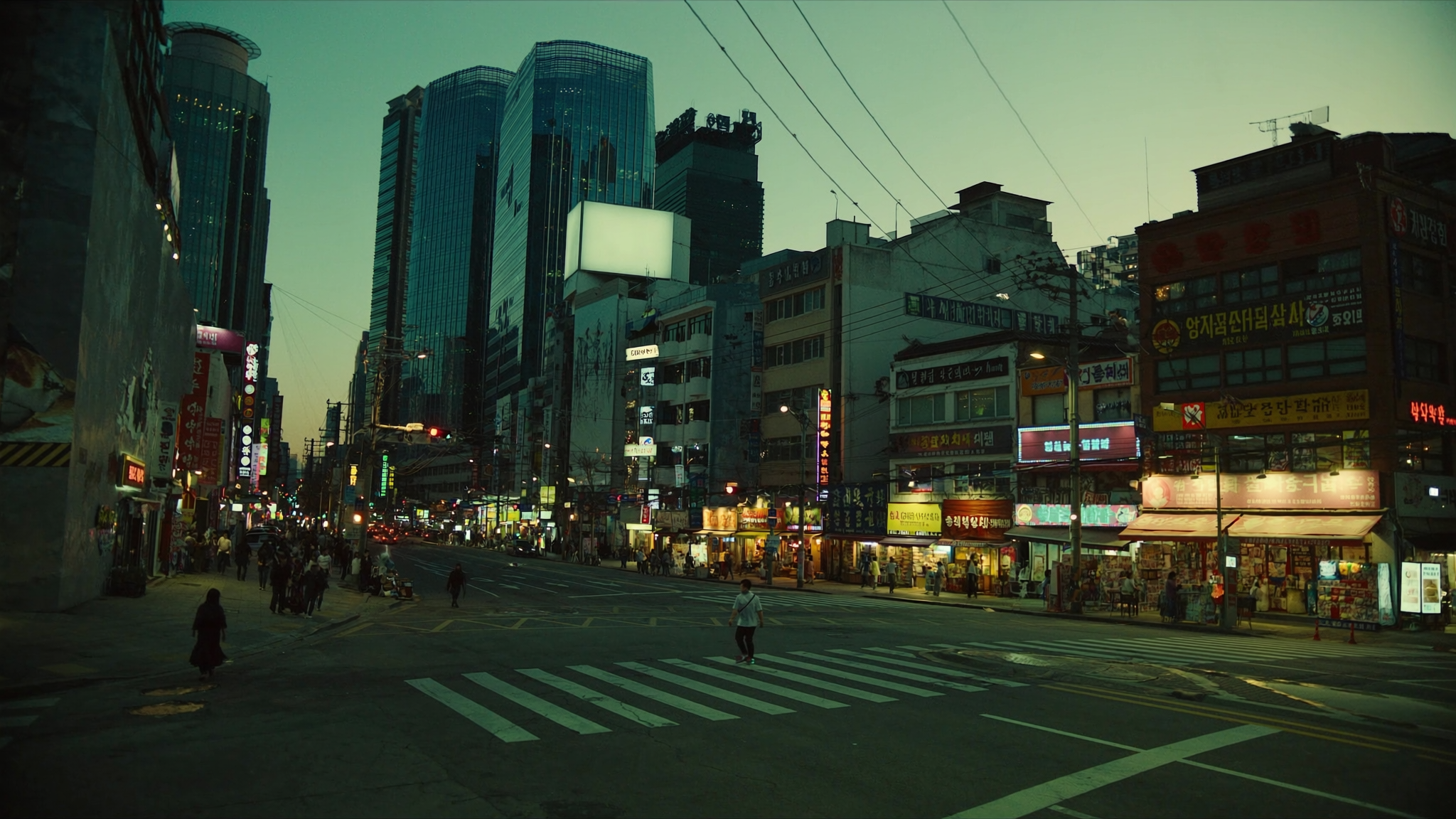
Skip the generic burger chains — this may be your only chance to eat in Korea, and the terminals take their Korean food seriously. Food courts and restaurants serve bibimbap (비빔밥, mixed rice bowl), kimchi jjigae (김치찌개, kimchi stew), bulgogi (불고기, marinated grilled beef) and mandu (만두, dumplings), with a good cluster along Terminal 1’s 4th-floor cultural street.
Ordering is beginner-friendly: most airport restaurants use picture menus or self-order kiosks with an English option, so you can point, tap and pay by card. Expect airport pricing — a Korean set meal here costs more than the same dish downtown, and menus and prices change, so confirm before ordering.
If your schedule is tight, do what Koreans do: raid a convenience store. Triangle gimbap, instant ramyeon and banana milk make a legitimate first Korean meal — our convenience store food guide has the full hit list for when you’re back on the ground in Seoul.
9. Go Hands-Free: Luggage Storage and Delivery

Nothing ruins a layover adventure faster than wheeling a 28-inch suitcase through a palace courtyard. If your bags are checked through to your final destination, you’re already free. If not, you have two good options.
Option one: storage counters in both terminals hold bags from roughly ₩4,000–8,000 per day (about US$3–6) depending on size, generally between about 06:00 and 22:00 — operators and hours vary, so check the counter closest to your gate exit.
Option two — if Korea is your destination, not just a stopover: send your bags ahead. A same-day delivery service takes your suitcases at the airport and hands them to your Seoul hotel while you go straight to sightseeing. We compare the two approaches honestly in our storage vs delivery guide, and the full process is in our Incheon Airport to Seoul hotel delivery guide.
Sample Incheon Airport Layover Itineraries
Not sure how to combine these nine ideas? Steal one of these ready-made plans, depending on how long your Incheon Airport layover runs. All timings assume you already have your next boarding pass in hand.
The 5-hour layover: recharge airside
Start with a free shower near Gate 23 or 28 in Terminal 1 (or a shower room in Terminal 2’s rest zone) — 30 minutes. Follow with a proper Korean lunch: stone-bowl bibimbap or a bubbling kimchi jjigae, 45 minutes.
Then walk the Korean Cultural Street and the K-Culture Museum for an hour, catch a cultural performance if one is scheduled, and finish at the observation deck with a coffee as your aircraft pulls in. You’ll board rested, fed and with a camera roll that doesn’t look like an airport.
The 10-hour layover: tour or solo Seoul run
With 10 hours you have two strong plays. Play one: the free Incheon Airport transit tour — register early, join a 4–5 hour palace-and-market route, and keep three comfortable hours in reserve.
Play two: go solo. Ride the AREX into the city. The buffer math: about an hour in transit each way, plus 3 hours back at the airport before departure, leaves roughly 5 usable hours in Seoul — enough for Gyeongbokgung Palace, a Gwangjang Market lunch and a stroll through Bukchon before the train back. First time in Korea? The guided tour is the lower-stress option: no navigation, no missed-flight anxiety.
The 24-hour layover: sleep first, city second
Land in the evening? Check into Darakhyu or Spa on Air and sleep like a human. Next morning, head out early and treat the day as a mini trip: palaces and markets before lunch, Myeongdong shopping or a Han River walk after, and dinner in the city before returning.
Keep the same golden rule for any long Incheon Airport layover: be back at least 3 hours before your onward international flight, and re-check your terminal number before boarding the return train.
Moving between Terminal 1 and Terminal 2
Terminals 1 and 2 sit on opposite sides of the airport and serve different airlines, so double-check which one your next flight leaves from. A free shuttle bus connects them (about 15–20 minutes each way), and the all-stop train also links both terminals.
Most of the things to do at Incheon Airport in this guide exist in both terminals in some form — but Spa on Air is T1 only and SPA at Home is T2 only, so plan your rest stop on the correct side.
Quick prep: money, data and apps
You can do an entire Incheon Airport layover without cash — cards are accepted almost everywhere, including storage counters and food courts. Heading into the city? Grab a T-money card, and download Naver Map or Kakao Map before you leave Wi-Fi, because Google Maps offers only limited navigation in Korea.
Free airport Wi-Fi covers both terminals, so save offline maps, screenshots of your boarding passes and the return train timetable while you’re still connected.
FAQ: Incheon Airport Layover Questions
Can I leave the airport during an Incheon Airport layover?
Usually yes, if your nationality qualifies for visa-free entry or holds a valid visa/K-ETA. Many nationalities are K-ETA-exempt through the end of 2026. Rules change, so verify on the official K-ETA site and with your airline before flying — and leave a generous buffer to re-clear security.
How long must my layover be to join the free transit tour?
The program targets connections between about 4 and 24 hours. Register online up to two months ahead or at the terminal desks with your passport and both boarding passes, arriving at least 30 minutes before the tour departs. Current schedules are on the official airport website.
Where can I sleep at Incheon Airport overnight?
Free nap zones and rest chairs are scattered through both terminals. For a proper sleep, book a Darakhyu capsule room, or check into Spa on Air (Terminal 1) or SPA at Home (Terminal 2) for a sauna-plus-sleep combination at budget prices.
What do I do with luggage if I explore during my layover?
Bags checked to your final destination stay with the airline. Carry-ons can go into paid storage counters in either terminal for a few thousand won per day. Starting your Korea trip here instead? Same-day luggage delivery sends everything to your hotel so you explore hands-free from minute one.
Make the Layover Count
However you spend it — a sauna soak, a palace run, a bowl of bibimbap — an Incheon Airport layover rewards a little planning. And if your journey ends in Korea rather than passing through, start it light: book luggage delivery and let your bags meet you at the hotel. Flying out instead? See our guide to a perfect last day in Seoul before your flight.