Why is Korea talking about Son Heung-min’s military service right now? At the 2026 FIFA World Cup, something unprecedented happened: South Korea’s entire national soccer team went on a full media blackout — refusing to speak to Korean journalists — because two reporters were caught mocking their captain’s military service exemption on an accidentally open microphone. To foreigners, this might seem like an overreaction. To Koreans, it cut to the very core of national identity.
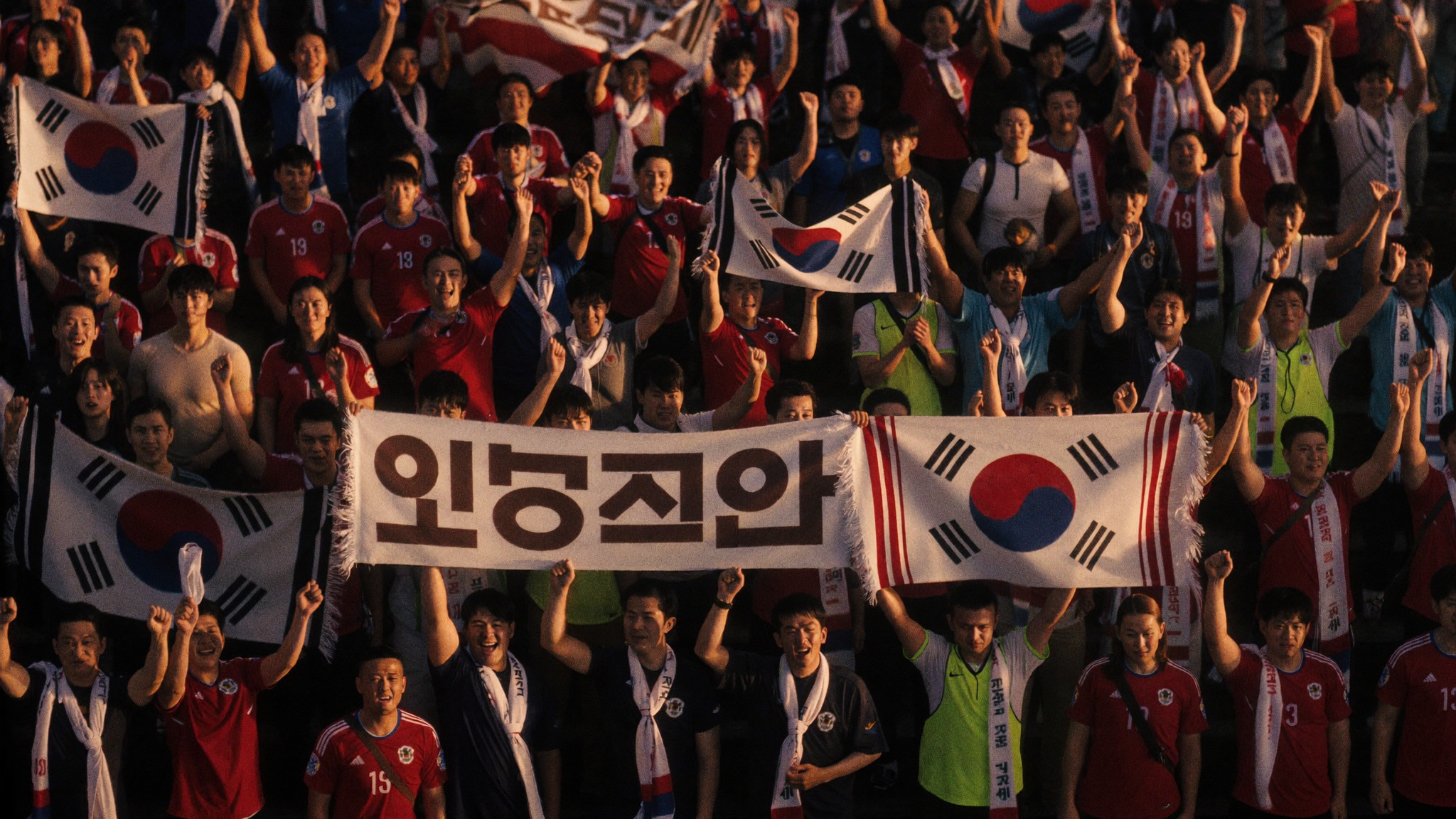
Table of Contents
- What’s Happening in Korea Right Now?
- The Background: Why Did This Start?
- What Are Koreans Actually Saying?
- What This Reveals About Korean Culture
- How Does This Compare Internationally?
- Conclusion
What’s Happening in Korea Right Now?
South Korea’s squad at the 2026 FIFA World Cup — held across the USA, Canada, and Mexico — had a painful campaign. They won their opener against Czechia but lost to Mexico and South Africa, finishing third in Group A. Coach Hong Myung-bo controversially benched Son Heung-min in the critical final match against South Africa, a game where even a draw would have secured advancement. Korea was eliminated at the group stage.
But the story that dominated Korean headlines wasn’t the tactical failures — it was the Son Heung-min military service mockery incident. On June 7, during an open training session, two Korean journalists were recorded on an accidentally live broadcast microphone joking about Son’s military service exemption, questioning his leadership, and making dismissive remarks about his character. The clip went viral instantly.
The team’s response was total: a complete media blackout. Players refused all interviews with Korean press. The Korea Football Association issued a formal condemnation. A press corps official resigned. Several planned player media sessions were cancelled. When the team returned home to Incheon Airport, fans warmly cheered Son and the players — while booing coach Hong Myung-bo.
The Background: Why Did This Start?
To understand why this exploded so dramatically, you need to understand Korean mandatory military service. Under South Korean law, all able-bodied men between 18 and 28 must complete approximately 18–21 months of military service. This is non-negotiable for most citizens — it affects career timelines, education plans, and life milestones for virtually every Korean man.
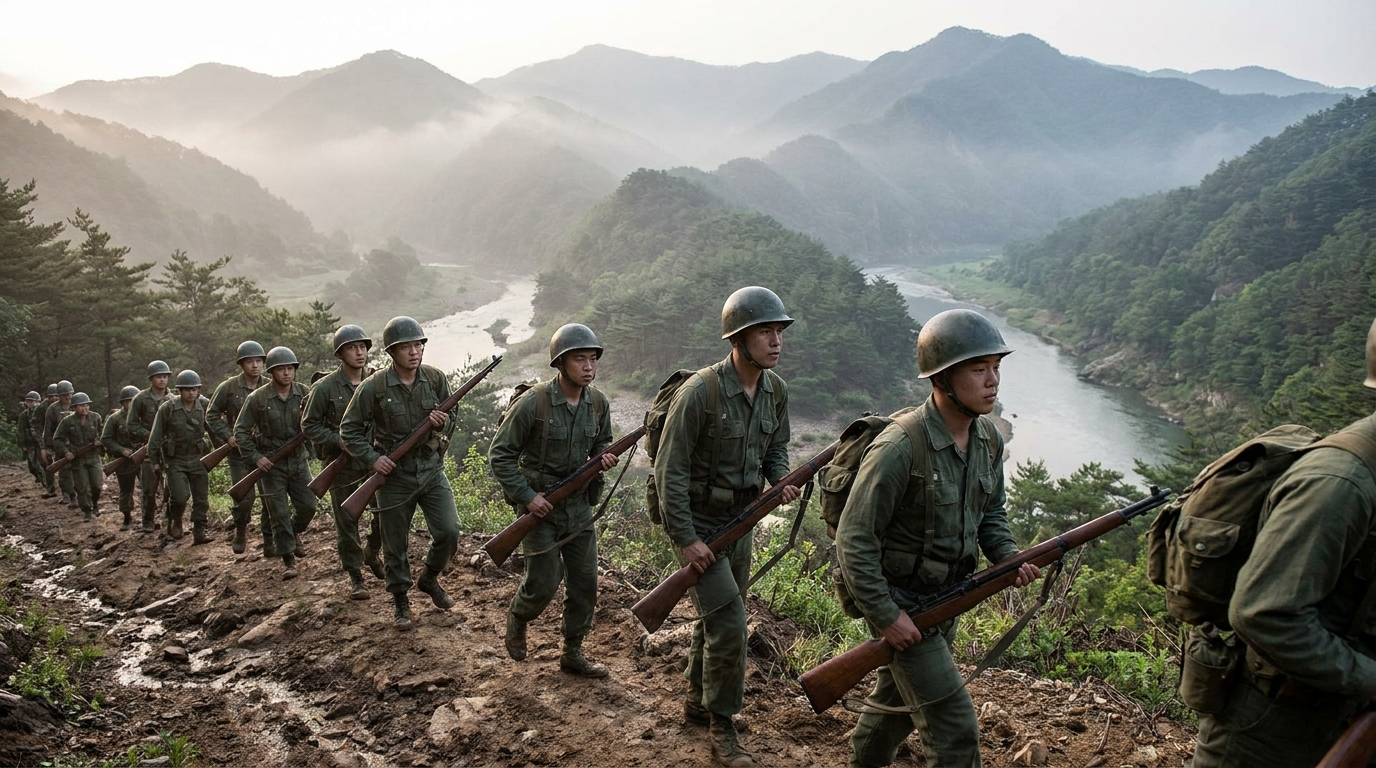
There is one major exception: athletes who win medals at the Olympics or gold at the Asian Games receive a military exemption. Son Heung-min earned his exemption by helping South Korea win gold at the 2018 Asian Games. Instead of full service, he completed a short basic training course in 2020 during the COVID pandemic.
This exemption has always been somewhat controversial in Korea. While most fans celebrated Son’s achievement, a vocal minority felt that the system unfairly privileges athletes. When journalists whispered these doubts on what they believed was a private microphone, they unknowingly broadcast the exact sentiment that many Koreans find deeply disrespectful — the suggestion that Son didn’t “properly” serve when he sacrificed enormously to earn that exemption legitimately.
What Are Koreans Actually Saying?
Korean public opinion split along predictable lines. The majority sided firmly with Son. Social media flooded with support: “Son Heung-min earned that exemption by representing our country” was the dominant sentiment. Fans organized at Incheon Airport with banners reading “Stay strong” and “Son Heung-min forever.” President Lee Jae-myung sent a personal message of encouragement to Son directly.
A minority, however, used the World Cup exit to relitigate broader frustrations — about the team’s performance, coach selections, and whether the exemption system itself is fair. This debate about military service fairness in Korea is one that resurfaces every time a high-profile athlete receives an exemption.
Coach Hong Myung-bo bore the brunt of the fury. His decision to bench Son in the crucial South Africa match — a tactical gamble that catastrophically backfired — led to jeers at the airport and his resignation. Meanwhile Son said he was “indescribably hurt” but vowed to “win back the hearts” of Korean fans.
What This Reveals About Korean Culture
The intensity of Korean reaction reveals something profound about the country’s collective psychology. Military service in Korea is not just a legal obligation — it’s a moral and social contract. When a man serves (or legitimately earns an exemption through exceptional national contribution), his sacrifice is considered deeply personal. To mock it publicly is to mock the sacrifice of every Korean man who served.
Korea’s media culture also plays a role. Korean sports journalism has long struggled with what locals call “makkoli press” — irresponsible reporting driven by clicks and drama rather than facts. The journalists’ whispered conversation represents a larger tension between Korean celebrities and a domestic press that can be uniquely brutal toward its own stars.
Son Heung-min occupies a unique psychological space in Korean society. He is simultaneously the country’s greatest soccer export, a global star playing for Tottenham Hotspur in England, and a son of Korea who came home to represent his nation. When he is disrespected, Koreans don’t just feel personal loyalty to him — they feel national pride is being challenged. If you’re visiting Korea and want to understand the local food and culture that fuels this passionate sporting identity, check out our guide to Korean street food — the same energy that fills stadiums fills pojangmacha tents.
How Does This Compare Internationally?
Few countries have a military service system as deeply embedded in cultural identity as South Korea’s. Israel has mandatory service for both men and women. Switzerland, Norway, and several other nations maintain conscription. But South Korea’s system carries additional weight because of the ongoing technical state of war with North Korea — service isn’t abstract patriotism, it’s existential.
Compare this to the UK or USA, where Son is best known as a Premier League star. In those countries, his military service background is barely mentioned. This gap in understanding is exactly why incidents like this — which seem minor to international observers — erupt into national crises in Korea. According to Yahoo Sports and Korea JoongAng Daily, the incident became one of the most-discussed Korean news events of the 2026 World Cup period.
If you’re planning a trip to Korea and want to experience the passion of Korean sports fandom firsthand, our Korean BBQ guide will help you understand the communal dining culture that mirrors the same team spirit Koreans bring to supporting their national squad.
Conclusion
The Son Heung-min media blackout wasn’t really about soccer. It was about the sacredness of military service in Korean society, the complex relationship between Korean celebrities and domestic media, and a nation’s collective pride. The 2026 World Cup may have ended in disappointment for Korea, but Son’s legacy — and the fans who rallied behind him — revealed something deeply human about Korean values.
What do you think about this? Does your country have a similarly charged relationship with military service? Have you experienced something similar where sports and national identity collide? Share your thoughts in the comments below — we’d love to hear from readers around the world.