What’s Happening in Korea Right Now?
The hunt for a new Korea national team coach is officially on. The Korea Football Association has opened applications for the head coach position after Hong Myung-bo resigned on June 28, days after South Korea crashed out of World Cup 2026 in the group stage. The team finished third in Group A with one win and two 1–0 losses — to Mexico and to South Africa — a result most Koreans considered unthinkable before the tournament.
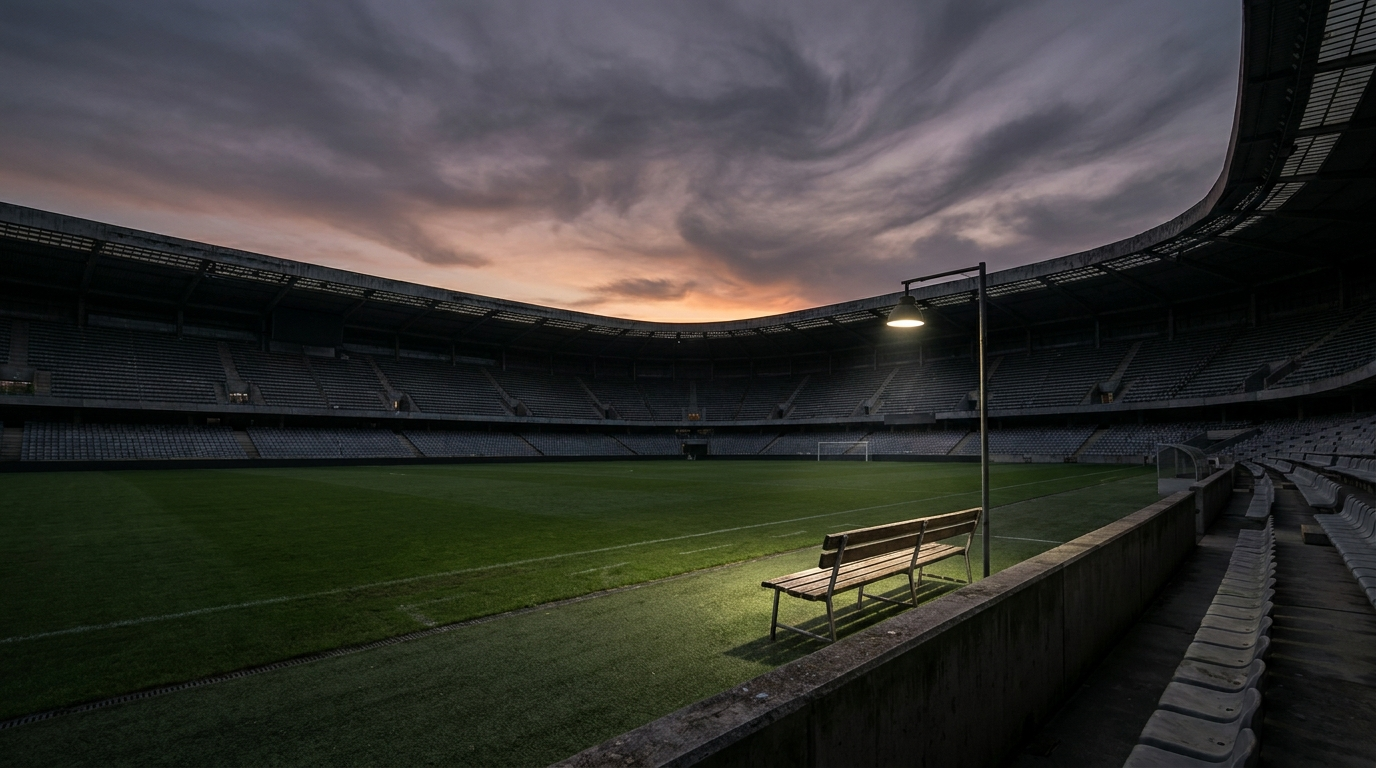
The fallout reached the very top: President Lee Jae-myung publicly called the coach “incapable” and ordered a sweeping review of the national team program — an extraordinary level of political involvement in football that itself became part of the story.
The Background: How the Korea National Team Coach Seat Went Empty
Hong Myung-bo is no ordinary figure — he captained the legendary 2002 squad that reached the World Cup semifinals on home soil, and remains one of Korean football’s most beloved icons. But his second stint as Korea national team coach was controversial from day one. When the KFA rehired him in 2024, the sports ministry alleged the association disregarded its own hiring rules and skipped “a reasonable interview process,” as reported by ESPN.
On the pitch, critics say opposing managers easily countered Hong’s unchanging tactics. After the elimination, Yahoo Sports reported the president’s call for a government investigation into the early exit, and Korean outlets like Star News are now asking a bigger question: who appointed him alone, and where is the accountability above the coach?
What Are Koreans Actually Saying?
Korean fan communities have cycled through grief, fury, and gallows humor. The anger is less about losing than about how: fans point to the 2024 hiring controversy and argue the failure was systemic, not just tactical. “Hong was appointed alone — so who takes responsibility with him?” has become a rallying cry on football forums and comment sections.
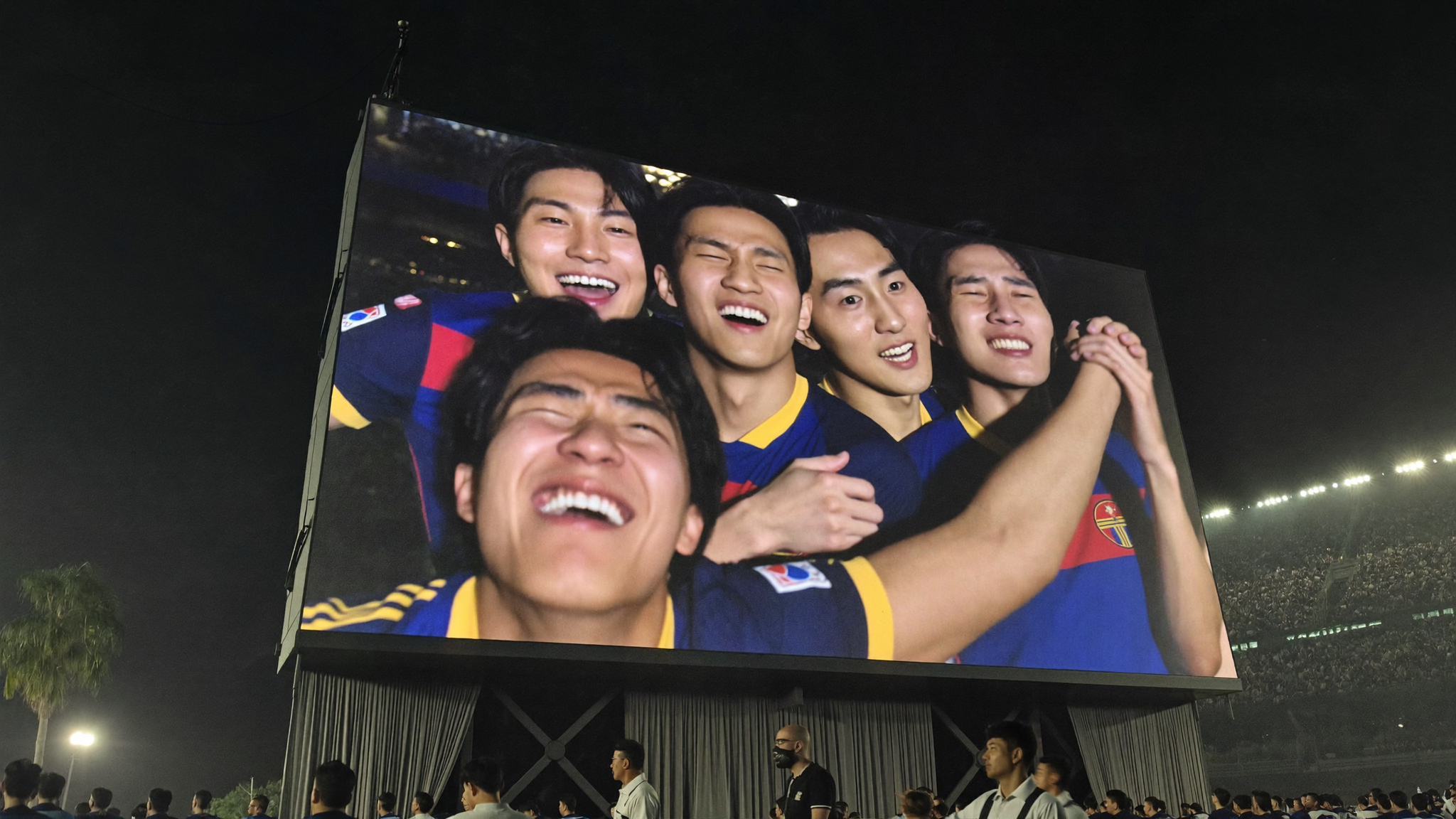
There’s dark comedy too. With BTS co-headlining the World Cup final halftime show on July 19, the running joke is that “Korea reached the final anyway — as performers.” (We unpacked that story in our BTS World Cup halftime show explainer.) Meanwhile, speculation about the next Korea national team coach — foreign tactician or homegrown name — fills sports talk shows every night.
What This Reveals About Korean Football Culture
To understand the intensity, you need to understand what football means here. The 2002 World Cup semifinal run — with millions of red-shirted fans filling city plazas — is one of modern Korea’s defining collective memories. Every national team since has been measured against that summer, fairly or not. When the team underperforms on the sport’s biggest stage, it’s processed as a national wound, not just a sports result.
The presidential rebuke also reflects a distinctly Korean expectation: institutions — including sports federations — are held publicly accountable, and “process” controversies (like the 2024 hiring) can outweigh results in the public’s judgment. The KFA’s open application process this time is widely read as a direct response to that criticism: whoever becomes the next Korea national team coach must be seen to be chosen fairly.
How Does This Compare Internationally?
Post-World Cup coach exits are a global ritual — dozens of federations change managers after every tournament. What stands out in Korea’s case is the political altitude of the reaction: a head of state calling for an investigation into a football team’s performance is rare outside of countries where the sport is tied to national identity, like Brazil or Argentina after painful exits. The nearest parallel might be Japan’s soul-searching after early exits, though Tokyo’s reviews stayed inside the federation.
For visitors, none of this dims the experience: watch parties in Gwanghwamun and Yeouido remain among the best free spectacles in Seoul whenever the national team plays. If you’re planning a trip around a tournament window, our Seoul summer travel guide covers how to enjoy outdoor screenings without melting in July.
Conclusion: The Bench Is Empty, the Passion Isn’t
The Korea national team coach vacancy is about more than one man’s resignation — it’s a referendum on how Korean football is run, playing out in real time with presidential commentary and an open casting call. Whoever takes the bench next inherits both a wounded team and one of the most passionate fan bases on Earth.
Want to understand Korea beyond the scoreboard? Unboxing Korea unpacks the culture behind Korean headlines every day — from stadium chants to street food. Follow along, and catch the next big match from a Seoul plaza yourself.