If you want to see Korea before Seoul, before Gyeongju, before any of it, Gochang is where the trail leads. Tucked into the quiet, fertile coastline of North Jeolla Province, Gochang is home to the largest and densest concentration of prehistoric dolmens on Earth, a 1,400-year-old mountain temple wrapped in a wild camellia forest, and a sleepy countryside famous for turning tart black raspberries into one of Korea’s most beloved wines. This Gochang travel guide covers everything you need to plan a smart, unhurried trip: the UNESCO World Heritage dolmen fields, Seonunsa Temple’s camellia and red spider lily seasons, Seonunsan Provincial Park and the Ungok wetlands, bokbunja wine tastings, transportation from Seoul, food, lodging, and a ready-made itinerary.
Table of Contents
- 1. Gochang Dolmen Site: Korea’s UNESCO World Heritage Wonder
- 2. Seonunsa Temple: Camellias, Red Spider Lilies, and Serenity
- 3. Seonunsan Provincial Park and Ungok Wetland
- 4. Bokbunja Wine Country: Gochang’s Sweet Specialty
- 5. How to Get to Gochang from Seoul and Busan
- 6. Best Time to Visit Gochang
- 7. Where to Eat in Gochang
- 8. Where to Stay in Gochang
- 9. A Sample 1-2 Day Gochang Itinerary
- 10. Practical Tips for Visiting Gochang
1. Gochang Dolmen Site: Korea’s UNESCO World Heritage Wonder
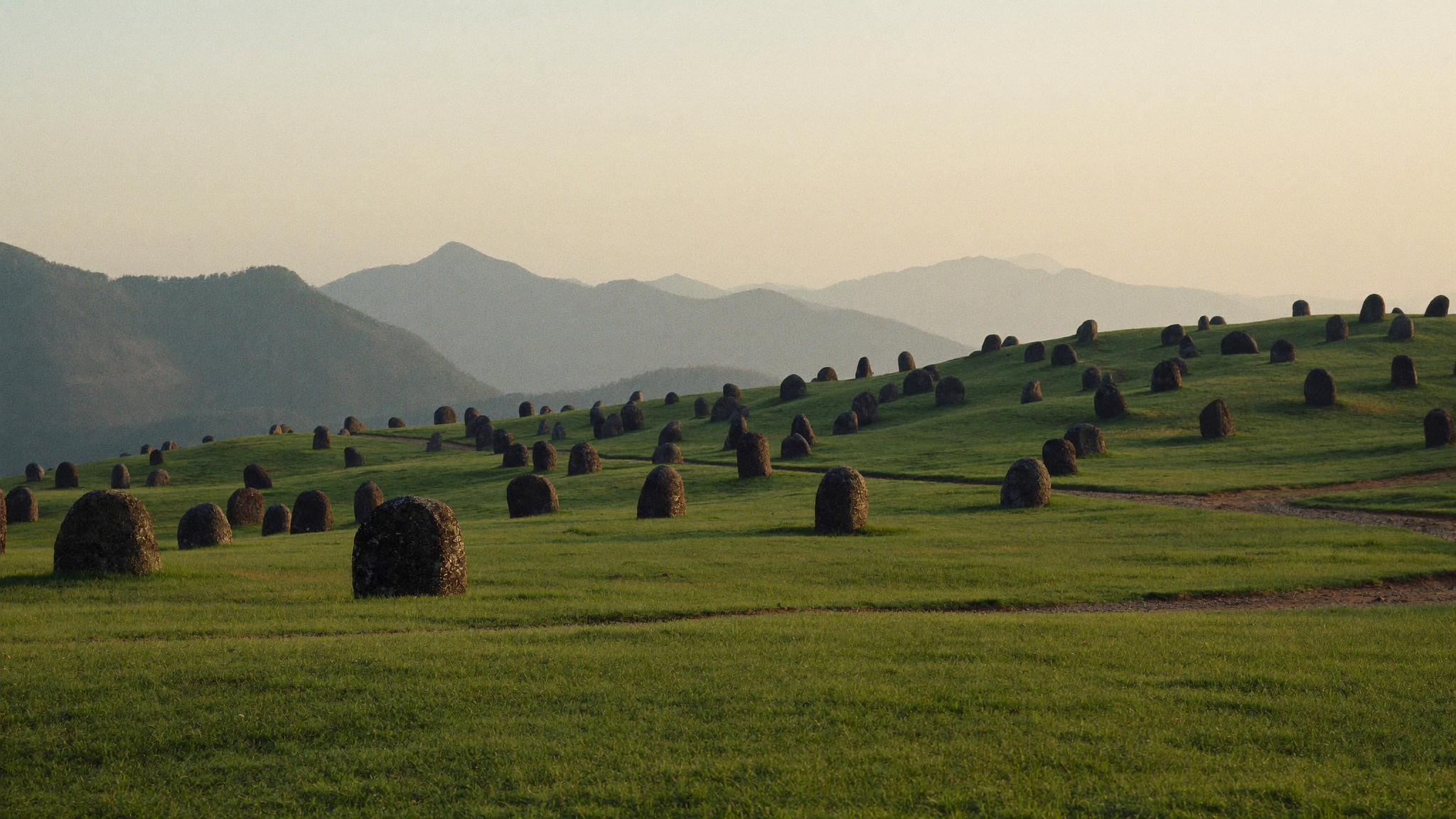
The single biggest reason travelers add Gochang to their Korea itinerary is the Gochang Dolmen Site, part of the “Gochang, Hwasun and Ganghwa Dolmen Sites” inscribed on the UNESCO World Heritage List on November 29, 2000. The site alone holds roughly 1,600 to 1,700 dolmens (megalithic tombs built from huge capstones balanced on stone supports), making it the most densely packed dolmen field anywhere on the planet, far outnumbering similar sites in Europe or Northeast Asia. These stone monuments date back to the 6th and 5th centuries BC, right at the transition between Korea’s Neolithic and Bronze Ages, and were built as burial chambers and ritual markers for community leaders.
The dolmen park, spread across gentle hills near Maesan-ri, lets you walk right up to hundreds of these ancient stones on marked trails. Start at the Dolmen Museum, which does a genuinely good job explaining how Bronze Age communities quarried, transported, and raised capstones weighing many tons without modern machinery, and offers hands-on exhibits where kids (and adults) can try “moving” a stone themselves. From March to October, a small sightseeing train departs the museum roughly every hour between 10:30 and 17:30, with fares of around 1,000 won for adults, 700 won for youth, and 500 won for children, an easy way to cover the wider dolmen field if you don’t want to hike the whole loop on foot. The museum itself is open 09:00-18:00 in the warmer months and 09:00-17:00 from November to February, with last admission one hour before closing.
Give yourself at least two hours at the site. Photographers should aim for early morning or late afternoon light, when the low sun rakes across the grass and throws long shadows off the capstones, arguably the single best photo opportunity in the entire county.
2. Seonunsa Temple: Camellias, Red Spider Lilies, and Serenity
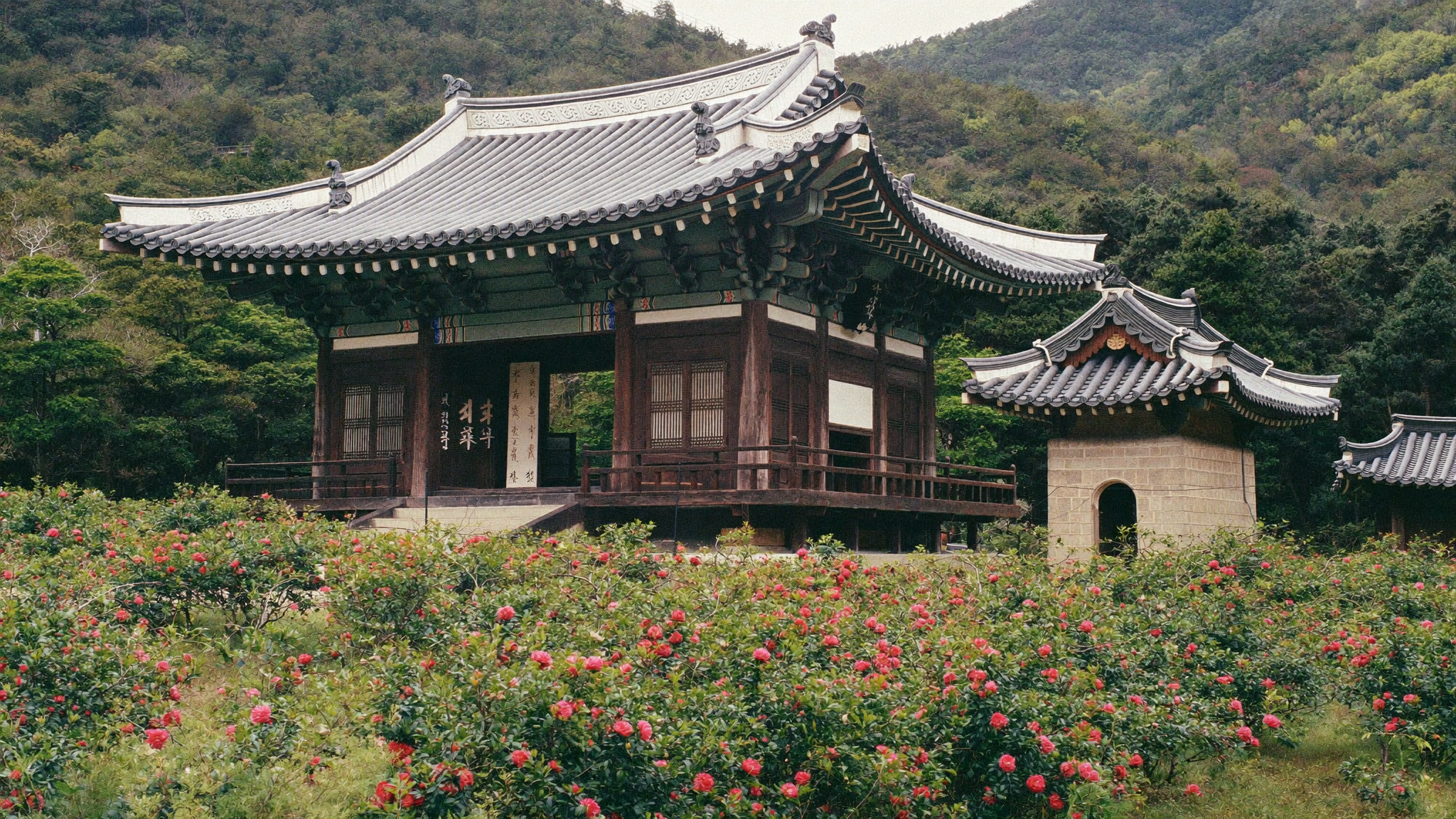
A short drive from the dolmen fields sits Seonunsa Temple, founded in 577 AD under the Baekje Kingdom and now the second head temple of the Jogye Order in North Jeolla Province. Seonunsa is one of those temples that changes personality completely with the seasons, and that’s exactly why it belongs at the top of any Gochang itinerary.
In late March and April, the forest behind the main hall erupts with one of Korea’s largest and oldest stands of wild camellia trees, protected as a Natural Monument, and the temple hosts a dedicated camellia festival to mark the bloom. In mid-to-late September, the trail leading up to Seonunsa turns a vivid, almost surreal red as fields of spider lilies (kkotmuji) bloom along the path, drawing photographers from across the country for what might be the most photogenic few weeks in Gochang all year. Come autumn and the surrounding hills turn deep red and gold with maple foliage, while winter brings quiet, snow-dusted courtyards and the camellias bloom again through the cold months, giving Seonunsa an almost year-round reason to visit.
Beyond the seasonal flowers, Seonunsa’s temple complex itself is worth slowing down for: weathered wooden halls, a stone pagoda, hillside hermitages connected by forest paths, and a genuinely peaceful, unhurried atmosphere that’s harder to find at Korea’s more famous temples. Many visitors combine a Seonunsa visit with a short hike up to Dosolam Hermitage and the rock-carved Buddha (Maaebul) further up the valley, roughly a 1.5 to 2 hour round trip on a well-marked trail.
3. Seonunsan Provincial Park and Ungok Wetland
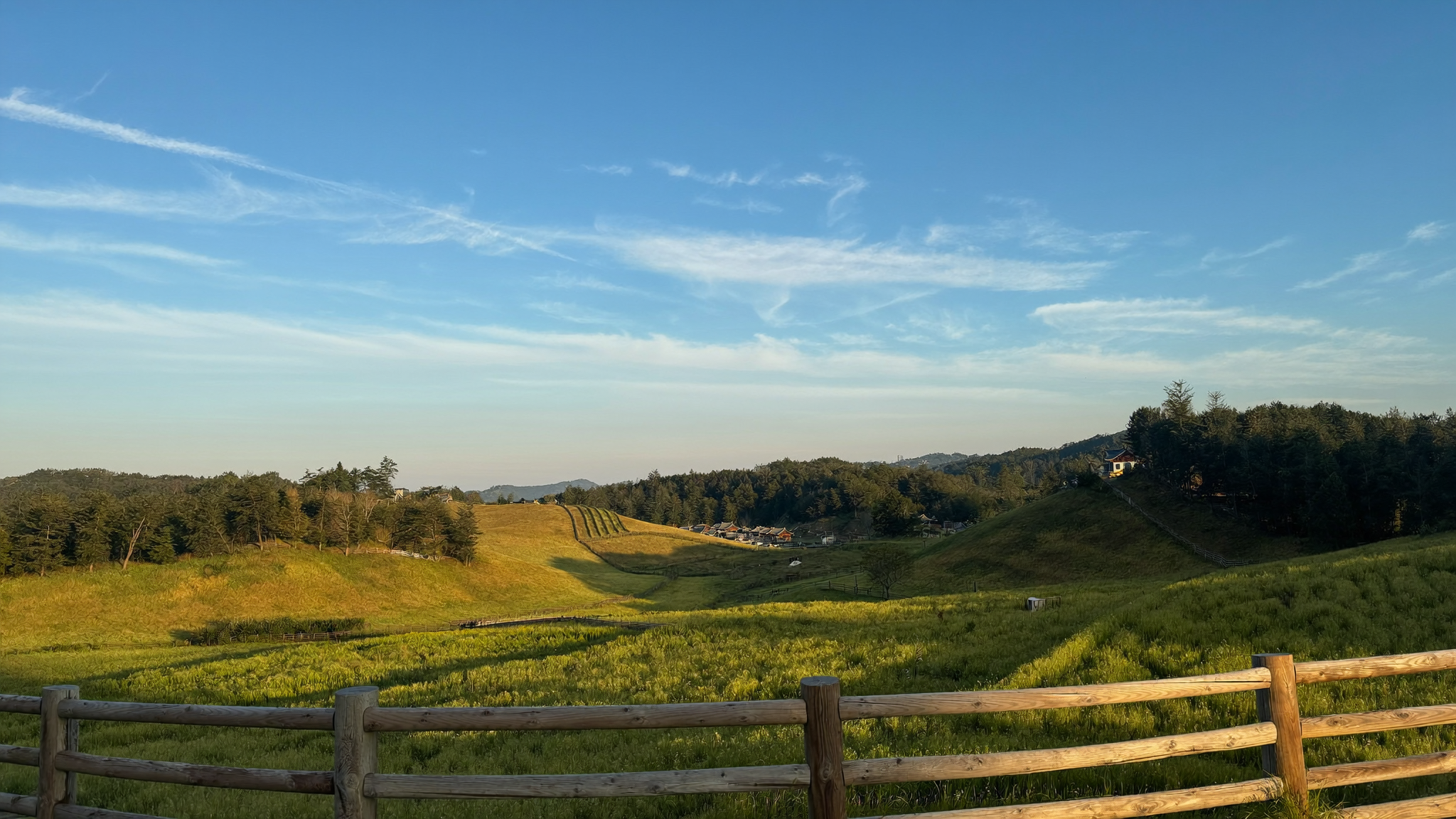
Seonunsa Temple sits inside Seonunsan Provincial Park, and in 2013 UNESCO designated the entire Gochang county area, including this park, as the Gochang Biosphere Reserve, tying together the dolmen fields, coastal wetlands, and mountain forest into one protected ecological zone. That’s a strong signal of how much natural diversity is packed into a fairly small area.
Inside the park, trails range from easy valley walks suited to families to a full ridge hike up Sujeongbong Peak for panoramic views over the Jeolla countryside. Trailheads are clearly marked from the temple’s main parking area, and most loops can be completed in under three hours.
A little further afield, the Ungok Wetland is a Ramsar-listed reservoir and marsh ecosystem split into three visitor zones: the Obaegol Natural Restoration Wetland, which can only be explored via wooden boardwalks to protect the fragile marsh floor; the Ungok Wetland Ecological Park, an artificial park area you can walk or ride a small sightseeing train through; and Ungok Reservoir itself. It’s a favorite for birdwatchers and anyone who wants a quiet, reflective counterpoint to the dolmen fields and temple crowds, especially at sunrise or sunset when the water turns gold.
4. Bokbunja Wine Country: Gochang’s Sweet Specialty
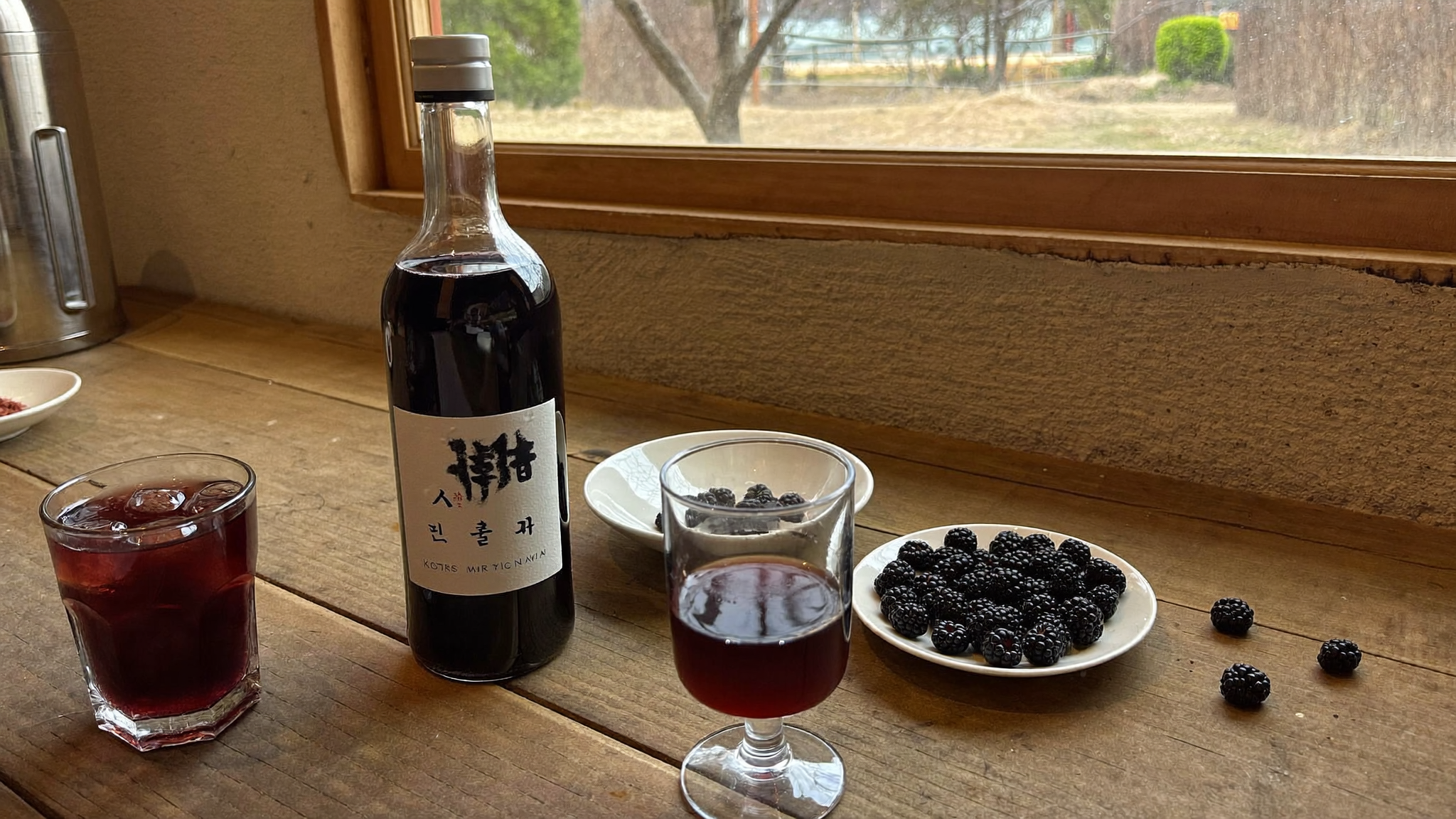
No Gochang travel guide is complete without bokbunja, the Korean black raspberry that has made this county famous nationwide. The local soil and climate are said to produce a bokbunja that’s noticeably sweeter and darker than the fruit grown elsewhere in Korea, and the region has built an entire local wine industry around it. Bokbunja-ju, the deep ruby-red fruit wine made from these berries, is lightly sweet, low in tannin, and easy to drink even if you don’t usually enjoy wine, making it a popular souvenir and a fun tasting stop.
Every June, the county hosts the Gochang Bokbunja and Watermelon Festival at Seonunsan Provincial Park, combining berry farm visits and wine tastings with watermelon-eating contests, water games, and live performances of traditional Korean music (gugak) alongside more modern acts. Even outside festival season, several wineries and farm shops in the area offer free or low-cost tastings, and it’s easy to pick up a bottle to take home as one of the more distinctive edible souvenirs from a Korea regional trip. Locally, bokbunja is also credited with health and beauty benefits, and you’ll find it worked into everything from ice cream to traditional teas around town.
5. How to Get to Gochang from Seoul and Busan
The county doesn’t have its own KTX station, so the easiest way in for most travelers is intercity bus. From Seoul, buses run from Dong Seoul Bus Terminal via Jeonju Bus Terminal to Gochang Culture Terminal, with the full trip, including the transfer, taking roughly 4 to 4.5 hours. A direct bus also runs from here back to Seoul Central City Terminal, departing hourly and taking about 3 hours 10 minutes, with tickets typically priced around 14,000-18,000 won.
If you’d rather take the train, the nearest major KTX stations are Jeongeup or Jeonju, both roughly 40-60 minutes away by local bus or taxi; from Seoul, the KTX to Jeongeup takes around two hours. Many travelers combine this with an existing Jeonju trip, since Jeonju is one of the closest major hubs and only about an hour away by car or bus, making a Jeonju-Gochang combo one of the smartest ways to see two very different sides of Jeolla Province in one loop.
Once you’re on the ground, having a rental car makes a real difference, since the dolmen site, Seonunsa Temple, and Ungok Wetland are spread out across the county with limited local bus frequency. If you’re not driving, local buses connect the main sites but run on a limited schedule, so it’s worth checking timetables in advance or asking your accommodation to help plan routes.
6. Best Time to Visit Gochang
This corner of Jeolla genuinely rewards visiting more than once. Spring (late March-April) brings the camellia bloom at Seonunsa and mild hiking weather across Seonunsan Provincial Park. Early summer (June) is bokbunja festival season, warm and lively, with fresh berries at their peak. Autumn (mid-to-late September) is arguably the single best window, when the red spider lilies bloom along the Seonunsa approach and the weather is comfortably cool for walking the dolmen fields; October adds vivid maple foliage across the park. Winter is the quietest season, with fewer crowds, crisp air, and the camellia trees blooming again against bare branches, a peaceful, underrated time to see the dolmens without the summer heat.
7. Where to Eat in Gochang
The local food scene leans heavily on what the surrounding land and sea provide. Look for pungcheon jangeo (grilled river eel), a local specialty served at restaurants near the coast and widely considered one of the best eel dishes in the country. Local-style bulgogi, marinated slightly differently from the Seoul version, is another local favorite worth seeking out. Seasonal produce is a big deal here too: try fresh melons and watermelons in summer, and don’t skip a bokbunja-based dessert or ice cream while you’re in bokbunja country. Small countryside restaurants (called “sikdang”) near the Dolmen Park and Seonunsa Temple entrance serve set Korean meals (baekban) with a rotating cast of banchan side dishes made from local vegetables, an easy and satisfying way to eat well without much planning.
8. Where to Stay in Gochang
The county is compact enough that most visitors base themselves in or near Gochang-eup, the county’s small central town, which has guesthouses, motels, and a handful of cafes within easy reach of the bus terminal. For something more atmospheric, several hanok-style stays and countryside pensions near Seonunsan Provincial Park put you within walking distance of the temple and hiking trails, ideal if you want to catch the spider lilies or camellias at sunrise before the day-trip crowds arrive. Seonunsa Temple itself also offers a temple stay program for travelers who want a slower, more reflective overnight experience. Budget travelers doing a loop through Jeolla often prefer to base in nearby Jeonju, which has far more accommodation options, and take a day trip out to Gochang.
9. A Sample 1-2 Day Gochang Itinerary
Day 1: Arrive in the morning and head straight to the Gochang Dolmen Site; spend two to three hours walking the trails and visiting the Dolmen Museum. Grab lunch at a local sikdang near the park. In the afternoon, drive or bus to Seonunsa Temple, explore the grounds, and if it’s spring or September, budget extra time for the camellia forest or spider lily trail. Overnight near Seonunsan Provincial Park or back in Gochang-eup.
Day 2: Start early with a short hike toward Dosolam Hermitage and the rock-carved Buddha above Seonunsa, then head to Ungok Wetland for a quieter walk along the boardwalks, especially nice at sunrise. In the afternoon, visit a local bokbunja winery for a tasting before heading onward, whether that’s back to Seoul, over to Gunsan for its retro Japanese-era streets, or down to Buyeo to continue exploring Korea’s Baekje-era heritage, since Seonunsa itself was founded during the Baekje Kingdom.
If you only have half a day, prioritize the Dolmen Site and Seonunsa Temple; they’re the two unmissable stops and can realistically be combined in four to five hours including travel time between them.
Bonus: Byeonsan-bando National Park, a Short Drive Away
If you have an extra half-day, Byeonsan-bando National Park sits about 40 minutes north of the county and makes an easy add-on to a longer Jeolla itinerary. Its coastal cliffs, pine forests, and the striking layered rock formations at Chaeseokgang are a scenic contrast to the inland dolmen fields and temple valleys, and several tour operators combine both destinations into a single day trip for travelers who want to see prehistoric stone monuments and dramatic coastline in the same visit. It is not essential, but it rounds out a longer North Jeolla road trip nicely if your schedule allows it.
10. Practical Tips for Visiting Gochang
- Wear real walking shoes. Both the dolmen fields and Seonunsa’s trails involve uneven ground, grass, and gentle inclines.
- Bring cash or a T-money card for local buses; smaller countryside routes aren’t always card-friendly, and rural buses can run infrequently, so plan ahead.
- Check seasonal opening hours for the Dolmen Museum and the sightseeing train, which only runs March through October.
- Pack for changeable weather if visiting in spring or autumn; mornings can be cool even when afternoons are warm.
- Book ahead during festival weekends (the camellia festival in April and the bokbunja festival in June), when local accommodation fills up quickly.
- Combine Gochang with a regional loop: it pairs naturally with Jeonju, Gunsan, or Buyeo for a multi-day North and South Jeolla / Chungcheong itinerary.
Quick Answers: Common Questions
Is one day enough? A single, well-planned day covering the Dolmen Site and Seonunsa Temple is doable if you have a car, but two days let you add the wetland walk and a bokbunja tasting without rushing. Is it family-friendly? Yes, the museum’s hands-on exhibits and the flat sections of the dolmen trails work well for kids, though the hermitage hike is better suited to older children and adults. Do I need a car? It helps a great deal; public transport between the main sites is infrequent, so renting a car in Jeonju or joining a small group day tour are the two most practical options for travelers without their own vehicle. What should I not miss? If time is tight, the dolmen fields and Seonunsa’s camellia or spider lily season (depending on when you visit) are the two experiences locals and repeat visitors recommend most.
Final Thoughts: Why Gochang Deserves a Spot on Your Korea Itinerary
Gochang isn’t trying to be Seoul or Busan, and that’s precisely its appeal. It’s a place where you can stand among more prehistoric dolmens than anywhere else on Earth in the morning, walk a temple trail glowing red with spider lilies by afternoon, and end the day with a glass of bokbunja wine in a quiet countryside town. Few destinations in Korea pack this much UNESCO-recognized history, natural beauty, and genuine local flavor into one manageable, uncrowded county. Whether you’re planning a focused day trip from Jeonju or building a longer North Jeolla loop, this county rewards travelers willing to go a little further off the beaten path.
Ready to plan your trip? Check out our other regional guides to Jeonju, Gunsan, and Boseong to build out a full South Jeolla and North Jeolla itinerary, and start exploring the Korea beyond Seoul.
Sources: UNESCO World Heritage Centre, Wikipedia, and Korea Tourism Organization.