Korea’s K-drama Netflix boom has reached a new peak this July, and the numbers back it up. So Ji-sub’s action thriller “Agent Kim Reactivated” hit No. 1 on Netflix’s Global Top 10 Non-English TV chart and stayed there for a second straight week, landing in the Top 10 in 72 countries and regions. It’s arriving in the same month as “The East Palace,” “Spooky in Love,” “The Apartment Job,” and the K-pop comedy film “Wild Thing” — an unusually stacked July 2026 slate that has global audiences asking the same question: why is Korea suddenly everywhere on Netflix again?
Table of Contents
- What’s Happening in Korea Right Now?
- The Background: Why Did This Start?
- What Are Koreans Actually Saying?
- What This Reveals About Korean Culture
- How Does This Compare Internationally?
- Conclusion
What’s Happening in Korea Right Now?
July 2026 might be the single busiest month Korean television has had on one streaming platform. “Agent Kim Reactivated,” starring So Ji-sub as an ordinary office manager secretly hiding a past as a lethal ex-agent who is dragged back into the field after his daughter goes missing, clearly struck a nerve. According to The Korea Times, the series topped Netflix’s Global Top 10 Non-English TV chart for a second consecutive week with 9.1 million views, ranking No. 1 in 22 countries and regions including South Korea, Bolivia, Peru, Morocco, Oman, and the Philippines, and cracking the Top 10 in 72 countries overall — with strong showings in Canada, Colombia, France, Germany, Italy, and Sweden. It also topped Netflix’s combined chart across English and non-English TV, meaning it briefly outperformed every English-language show on the platform too.
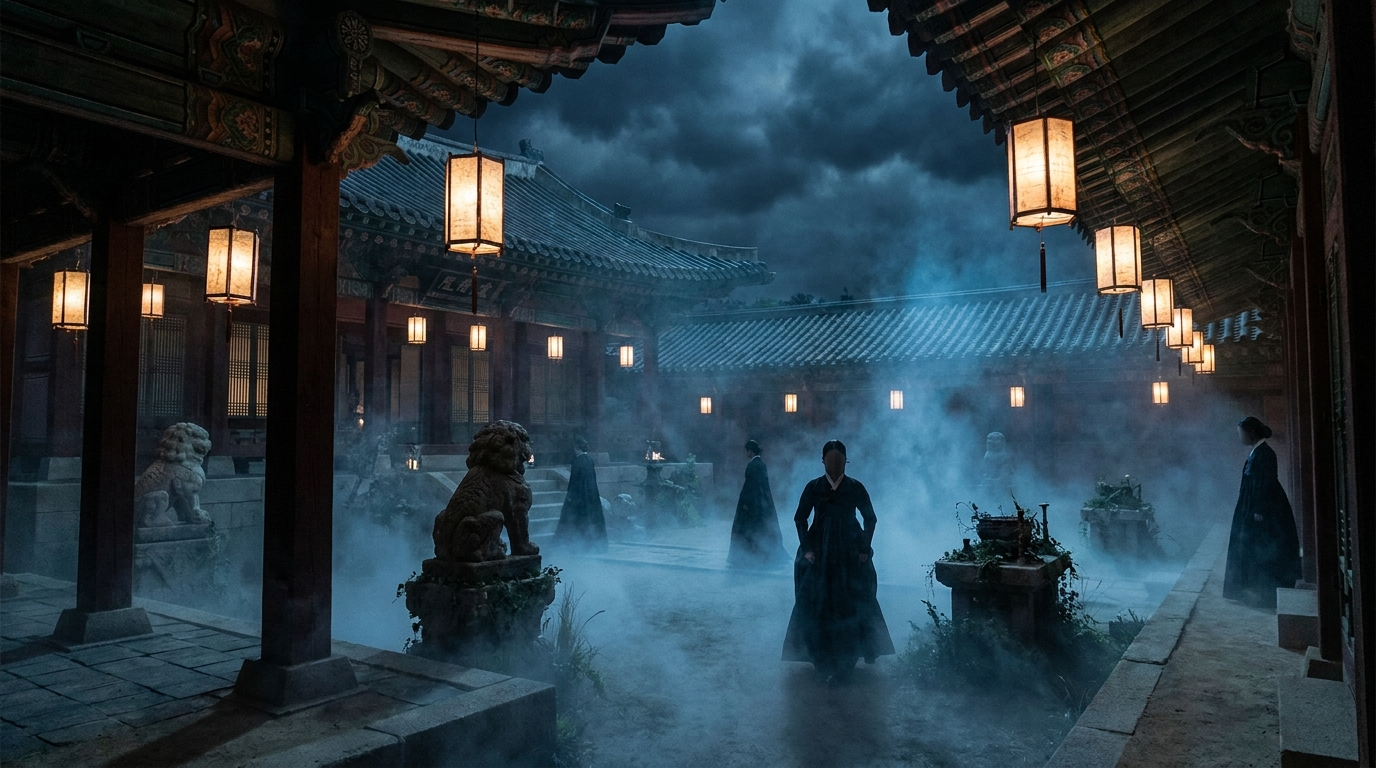
The K-drama Netflix boom doesn’t stop with one title. “The East Palace,” an eight-episode supernatural fantasy that marks Nam Joo-hyuk’s return after military service and a public scandal, premiered on Netflix on July 17. Directed by Choi Jung-kyu, it follows Gu-cheon (Nam Joo-hyuk), a man who can cross into the world of the dead, and court lady Saeng-gang (Roh Yoon-seo), who hears the voices of spirits, as they investigate a curse haunting the royal palace at the king’s command, according to Netflix Tudum. It premieres alongside “Spooky in Love,” starring Park Eun Bin as a ghost-seeing hotel heiress opposite prosecutor Ma Gang-uk, and “The Apartment Job,” Ji Sung’s official Netflix debut as a former gangster who runs for apartment resident-association president in a scheme that spirals into a tightly wound thriller-comedy about corruption and community reserve funds. Rounding out the month, the comedy film “Wild Thing” heads to Netflix in 190 countries on July 31 (July 30 everywhere except South Korea), with 32 subtitle languages and 15 dubbed versions. Its fictional K-pop group Triangle’s soundtrack tracks “Love is” and “I Like You” were built by an actual K-pop production team and had already climbed music charts and sparked their own viral dance challenges before the film even reached Netflix.
The Background: Why Did This Start?
This Korea Netflix K-drama boom didn’t happen overnight. Netflix has spent years building out its Korean content pipeline after early breakout hits proved Korean stories could travel far beyond domestic audiences, and it now treats Korea as one of its most reliable global growth engines. Notably, several of July’s biggest titles didn’t start life as Netflix originals: “The Apartment Job” first aired domestically on JTBC before its global Netflix release, and “Agent Kim Reactivated” is based on a webtoon and aired on SBS. That licensing-plus-streaming model lets Korean broadcasters and Netflix share the financial risk of big-budget productions while Netflix handles the global distribution muscle, which helps explain why so many different genres can launch in the same month without any single studio overextending itself.
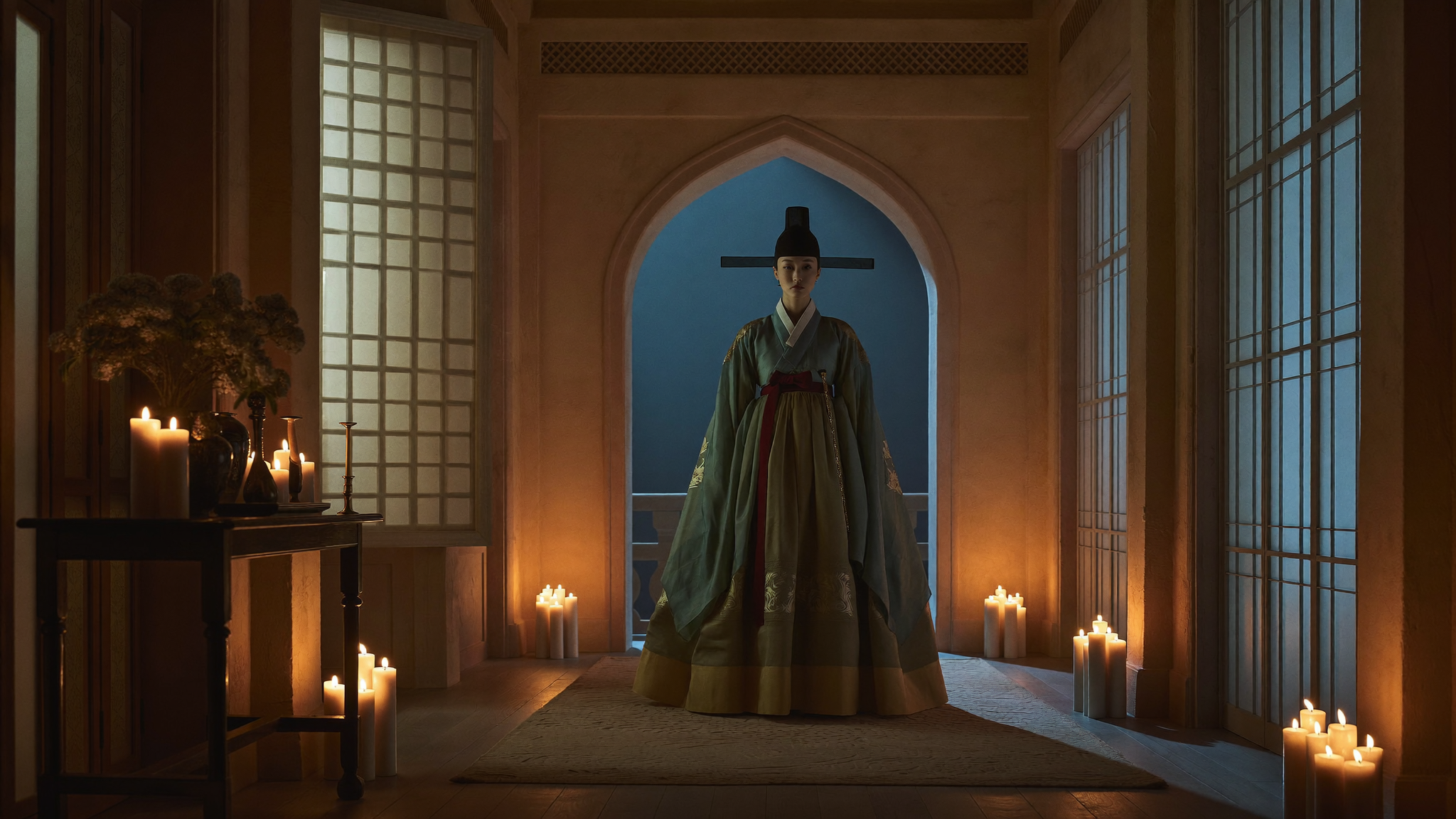
Part of the explanation is genre hybridization. Korean writers’ rooms have become unusually skilled at blending tones within a single story — “The East Palace” folds Korean shamanism and folk horror into royal court intrigue, while “Agent Kim Reactivated” pairs bone-dry workplace comedy with brutal action choreography and a genuinely emotional missing-daughter plot. That range means each new title can find its own lane rather than competing directly with the last hit, which helps explain why Netflix keeps stacking so many K-dramas into the same release window instead of spacing them out. It also reflects a broader Korean Wave that’s expanding well past K-pop and drama into food and literature — Han Kang’s 2024 Nobel Prize in Literature and the global run of the cooking competition “Culinary Class Wars” are both part of the same cultural momentum, one that treats Korean storytelling as an export category in its own right rather than a single-genre trend.
What Are Koreans Actually Saying?
Inside Korea, reaction to the K-drama Netflix boom is a mix of pride and mild genre fatigue. Entertainment outlets have noted that Korea has released an unusually high volume of big-swing genre titles in quick succession this year, and some domestic viewers admit they can’t keep up with all of it. Others are simply enjoying the moment: “Agent Kim Reactivated” drew comparisons to earlier So Ji-sub action roles and reportedly ended a four-week run at the top of the chart by a different Korean title, while cast interviews around “The East Palace,” covered in detail by allkpop, have generated real curiosity about how a period palace setting will handle modern supernatural pacing after Nam Joo-hyuk’s three-year hiatus.

There’s also a generational split in how the K-drama Netflix boom is being read at home. Younger viewers tend to treat the crowded release calendar as a binge-worthy embarrassment of riches, tracking premiere dates the way some fans track concert tour schedules, while some older commentators worry about oversaturation diluting quality control across so many simultaneous productions competing for the same actors, writers, and production crews. Domestic broadcast ratings tell a more modest story than the global streaming numbers — “The Apartment Job” premiered to a 4.6% nationwide rating on linear TV even as it built momentum internationally on Netflix — a reminder that a title’s Korean broadcast performance and its global streaming performance are increasingly two separate conversations. Both camps agree on one thing, though: seeing multiple Korean titles simultaneously dominate a platform used by hundreds of millions of households worldwide has become a genuine source of national pride, not a novelty.
What This Reveals About Korean Culture
The Korea Netflix K-drama boom says something real about how the domestic industry now operates. Korean production companies have learned to treat genre-blending as a competitive advantage rather than a risk — mixing horror, romance, comedy, and action within a single show is a distinctly Korean storytelling instinct, one that prioritizes emotional range over strict genre purity. That same instinct extends to subject matter: shamanism, once dismissed as backward superstition during Korea’s modernization era, is now prestige-TV material in “The East Palace,” while everyday anxieties about family, debt, housing, and community corruption drive both “Agent Kim Reactivated” and “The Apartment Job.” Even a broad comedy like “Wild Thing” leans on a very Korean premise — a disbanded K-pop act reuniting decades later — that treats the idol industry’s rise and fall as shared cultural memory rather than pure fantasy.
It also reflects an entertainment industry with real production muscle. Multiple big-budget, star-driven series and films launching in the same month, each backed by different studios and broadcasters before their Netflix release, points to a production ecosystem operating at a scale few countries can match. For readers curious how deep that ecosystem runs, our coverage of Korea’s K-occult drama wave digs further into how Korean shamanism became mainstream television, and how genre experimentation has become a hallmark of Korean production houses rather than a rare gamble.
How Does This Compare Internationally?
Korea’s position as a content exporter is no longer a surprising underdog story — it’s a measurable market fact. Korean-language content is now the second most-watched language category on Netflix worldwide after English, generating roughly 12.1 billion hours of viewing globally between April 2025 and March 2026, according to Parrot Analytics. That’s roughly 44% more viewing hours than Japanese content and nearly double the UK’s output, putting South Korea ahead of Japan, Spain, and the UK as a non-English content exporter, with previous hits like “Squid Game” and “The Great Flood” laying the groundwork for July’s crowded slate.
Spanish-language telenovelas and reality formats remain massive in the Americas and Southern Europe, and Japanese anime still dominates a devoted global fan base, but neither matches the sheer format range Korea is now exporting in a single month — action thrillers, supernatural period dramas, rom-coms, crime comedies, and K-pop-adjacent films, all charting simultaneously rather than one genre carrying the whole export. That breadth, rather than any single genre, is what makes the current Korea K-drama Netflix boom different from past hallyu waves, and it’s part of why industry watchers increasingly treat Korean television as a default global export rather than a niche interest. Our look at the Korean film industry’s biggest 2026 gamble covers the production-side pressures behind that output.
Conclusion
Whether it’s So Ji-sub’s reluctant super-spy dad, Nam Joo-hyuk’s ghost-hunting royal investigator, Ji Sung’s scheming apartment-board candidate, or a K-pop comeback soundtrack sparking dance challenges before its film even streams, Korea’s K-drama Netflix boom in July 2026 is a snapshot of an industry firing on every genre at once. If you’ve been wondering why your feed is suddenly full of Korean drama recommendations, now you know — and there’s arguably never been a better month to start watching.
New to Korean streaming culture? Explore more of our Korean entertainment coverage to catch up on the trends driving Korea’s global pop culture moment.